
Tamahagane knives are known for their sharpness and quality. These Japanese knives are made from tamahagane steel, a special kind of steel used for centuries. Authentic tamahagane knives are rare, mostly artisanal items, while modern knives branded as “Tamahagane” use high-quality industrial steels. Many contemporary knives marketed under the “Tamahagane” brand use modern, high-carbon stainless steels, offering durability and sharpness. If you want a knife that lasts and feels just right in your hand, tamahagane knives are a great choice. They work well for home cooks and pros alike.
History and Tradition of Japanese Knives
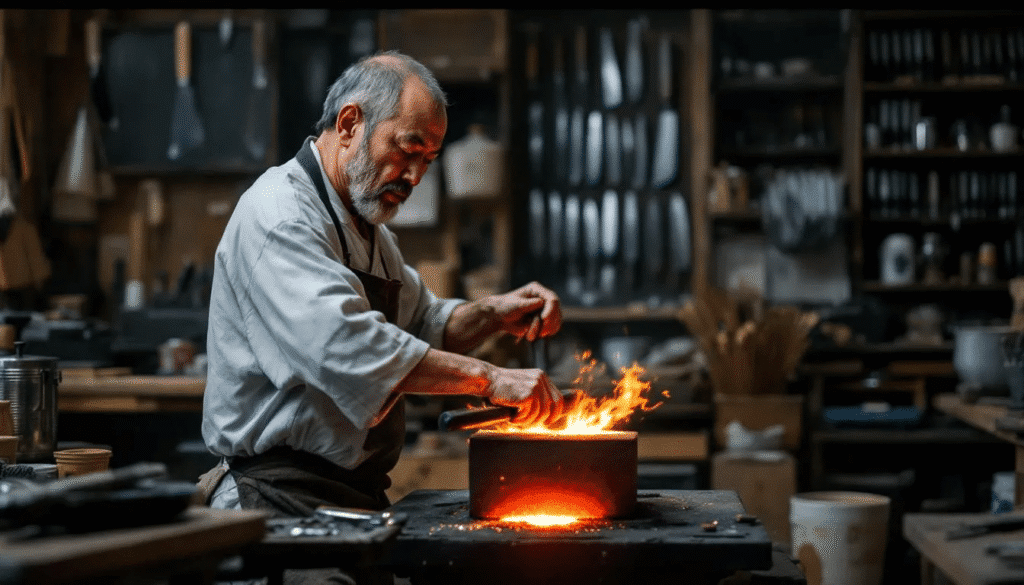
Japanese knife-making goes way back, all the way to the samurai days. Tamahagane steel is made using a traditional clay furnace called a tatara. Authentic production of tamahagane involves a multi-day smelting process in a tatara clay furnace, meticulously monitored by artisans. Today in Japan, only two steel mills produce tamahagane steel in the traditional way, and only twice a year. This process has been passed down through generations. The steel is famous for its strength and sharp edge, just like the swords samurai used. Many skilled craftsmen still make these knives in places like Tsubame Sanjo, Japan.
What Makes Tamahagane Steel Special?
Tamahagane steel has a high carbon content. That means it can hold a sharp edge for a long time. The process of making tamahagane involves multiple stages of smelting, forging, and folding to control carbon content. It’s also tough and durable, so it can handle heavy kitchen use without dulling quickly. The steel is made by layering iron sand and charcoal in a clay furnace, which gives it unique qualities you won’t find in regular steel. Only about 1 ton of tamahagane is obtained from the entire production cycle.
Types of Tamahagane Knives
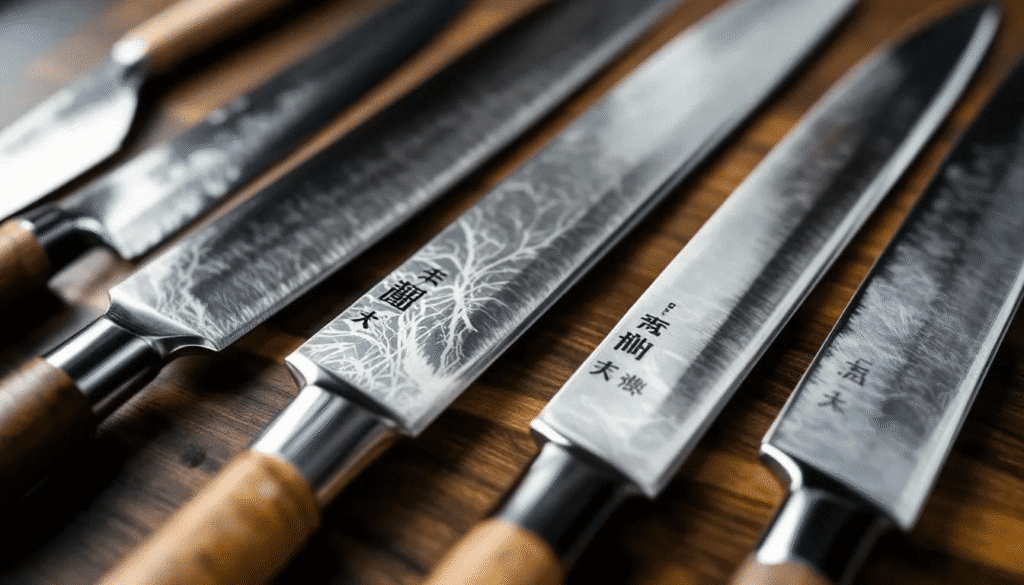
You can find different kinds of knives made with tamahagane steel. There are chef’s knives, paring knives, and more. Some knives use pure tamahagane steel, while others combine it with materials like VG5 stainless steel for extra durability. VG5 stainless steel is known for its great edge retention and durability compared to other Japanese stainless steels. The core layer of Tamahagane knives is made from VG-5 steel, which is high carbon molybdenum vanadium steel. Each knife has its own shape and weight, so you can pick one that fits your cooking style perfectly.
How These Knives Are Made
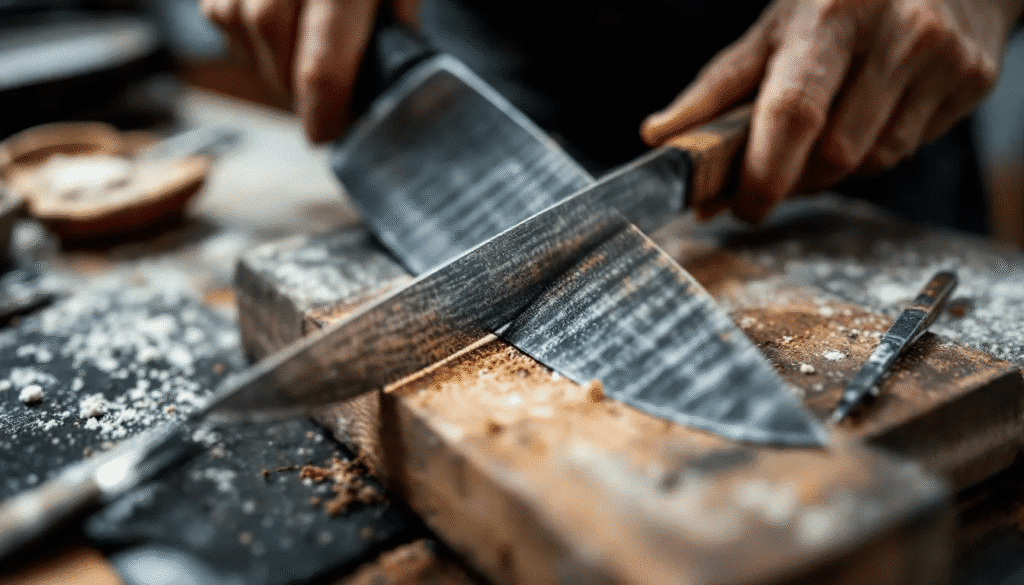
Each tamahagane knife is handcrafted. The process includes forging the steel, sharpening the blade, and polishing it to a fine finish. The labor-intensive production of tamahagane results in unique grain patterns on the blades, valued by collectors and enthusiasts. Handcrafted kitchen knives tend to have slight variations in weight and dimensions due to the artisan nature of their production. Craftsmen use traditional tools and techniques, making sure every knife meets high standards. This care shows in how the knife feels and performs when you use it.
Keeping Your Tamahagane Knife Sharp
To keep your knife working well, regular sharpening is key. Use a whetstone or sharpening steel to maintain the edge. After cooking, wash the knife with warm water and dry it right away to avoid rust. The high carbon content in tamahagane creates an extremely hard blade that can hold a sharp edge for a long time. Preventing rust on a kitchen knife can be achieved by storing it in newspaper after drying it off thoroughly. Proper care will keep your knife sharp and ready for years.
Prices and Buying Tips
Tamahagane knives come at different price points. Some are affordable for home cooks, while others are more expensive because of the handcrafting and materials. True tamahagane is now extremely rare and expensive, with production strictly limited. Modern high-carbon or stainless steels may offer superior mechanical properties compared to traditional tamahagane. You can often find payment options like recurring or deferred purchase plans. Before buying, check the cancellation policy and return terms, so you know what to expect.
Final Thoughts for Cooking Fans
If you want a knife that’s sharp, durable, and comfortable, tamahagane knives are worth considering. They combine traditional Japanese steel-making with modern kitchen needs. Tamahagane knives are high quality, extremely sharp, and durable for everyday use. Genuine tamahagane knives are extremely rare and their value stems more from cultural significance than practical culinary superiority. Whether you’re just starting to cook or have been at it for years, these knives can make a real difference.
