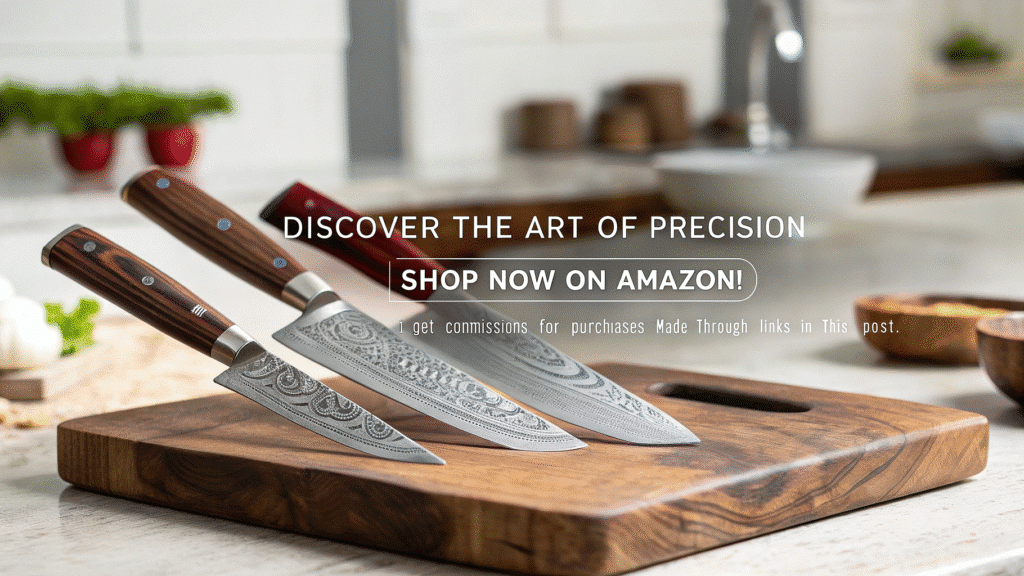
Sukehira knives stand out for their quality and tradition. Made by Sukehira Hirata, a master blacksmith in Japan, these knives are crafted from rare Tamahagane steel. Hirata follows the long-standing tradition of Japanese blacksmiths, who are renowned for producing high-quality kitchen knives using time-honored techniques. Sukehira Hirata produces his own steel using the ancient tatara method, ensuring the authenticity and excellence of the materials used. Each blade reflects skill and care, making them special tools for any kitchen.
Introduction to Sukehira Knives
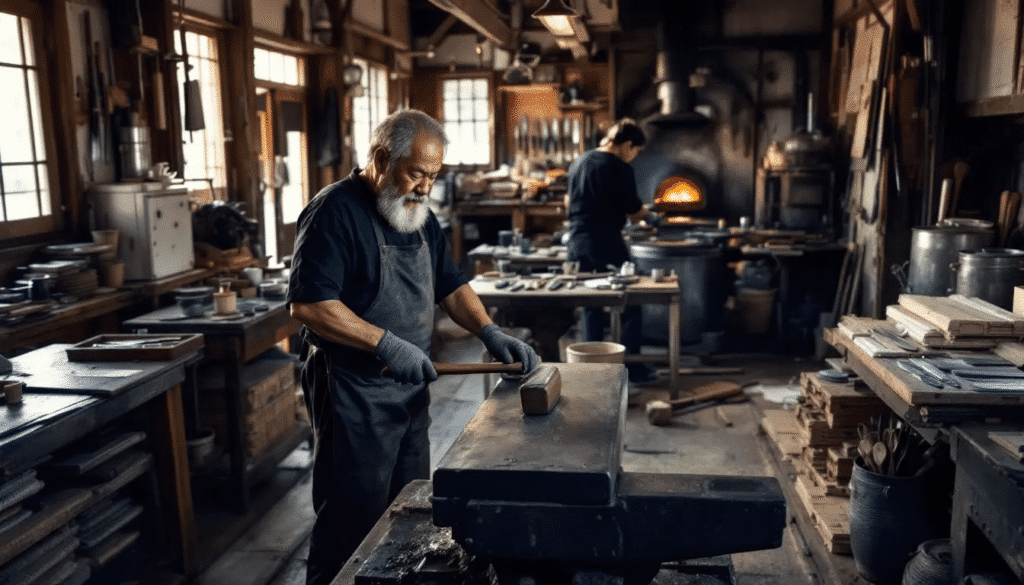
Sukehira Hirata is a proper master blacksmith from Ome City, Japan, and he’s absolutely dedicated his life to knocking up some cracking knives using top-notch Tamahagane steel. Dead inspired by a massive respect for Japanese swords and his background mucking about with kendo, Sukehira got his start as a swordsmith under the wing of master swordsmith Sukesada Ueta, where he apprenticed for thirteen years. These days, he’s recognised for his brilliant skill in turning out blades that really capture the spirit and tradition of Japanese craftsmanship – it’s quite something to see.
At the heart of the whole operation is Nodoka Hirata, Sukehira’s missus and the only female Murage in all of Japan. Nodoka’s got this incredible expertise in managing the Tatara furnace – which is this traditional Japanese method for smelting iron sand and charcoal – and it really sets her apart in a field that’s been dominated by blokes for ages. Her mastery of this dead rare technique means she can produce Tamahagane steel with some truly unique properties, making sure that every single knife and blade the company crafts meets the most brilliant standards of quality and strength you could ask for. Nodoka also runs the business operations, showcasing her multifaceted role in the success of Hirata Sword Smith.
The whole process of making these Sukehira knives is a proper labour of love, no two ways about it. Carefully picked raw materials – including iron sand and charcoal – get chucked together in the Tatara furnace and heated up to some absolutely mental temperatures. This demanding process produces the Tamahagane steel, which then gets hammered, folded, and shaped by hand to create blades with remarkable hardness and resilience that’s just brilliant. The tatara process requires burning iron sand and charcoal in a furnace for hours to create steel, a method that demands precision and patience. Each knife is a real testament to the skill, patience, and tradition that define Japanese sword and knife making – it’s quite the sight.
These Sukehira knives are way more than just your average kitchen tools – they’re proper works of art that show off the beauty and strength of Tamahagane steel in all its glory. The company’s commitment to keeping these traditional techniques alive and producing these rare, top-quality knives has earned them a cracking reputation as one of Japan’s finest makers, no doubt about it. Hirata Sword Smith is one of only three smiths in Japan that can make swords and knives from their own Tamahagane steel, further solidifying their status as a leader in the craft. Collectors, chefs, and enthusiasts from all over the world are dead keen to get their hands on these knives for their exceptional performance and unique character.
When you get yourself a Sukehira knife, you’ll receive a beautifully crafted blade thats shipped nice and secure in a protective package, complete with care instructions and a certificate of authenticity – the whole works. The price includes all the tax, but just be aware that duties and taxes related to shipping might pop up depending on where youre based. If you’re keen on owning a proper piece of Japanese tradition and craftsmanship, have a look at our page for more info or drop us a line to learn about whats available and shipping options. With a Sukehira knife, you’re not just bringing home a tool – youre getting a piece of history and artistry that’ll be treasured for generations to come.
How Sukehira Knives Are Made
The process starts with making Tamahagane steel. This steel is created by heating iron sand and charcoal in a Tatara furnace. Carbon is a crucial element in Tamahagane, as it determines the steel’s hardness, sharpness, and the unique Hada (grain pattern) seen in high-quality Japanese swords. During the Tatara furnace process, the materials are carefully turned to ensure even oxidation and to achieve the desired steel quality. After the steel is ready, it’s hammered and shaped into blades. Then, the blades are heat-treated to balance toughness and sharpness. Water is used during the cooling and finishing process, reflecting the importance of natural materials in traditional Japanese craftsmanship. The final step is sharpening and polishing, giving the knives a clean, sharp edge that performs well.
Nodoka Hirata’s Role
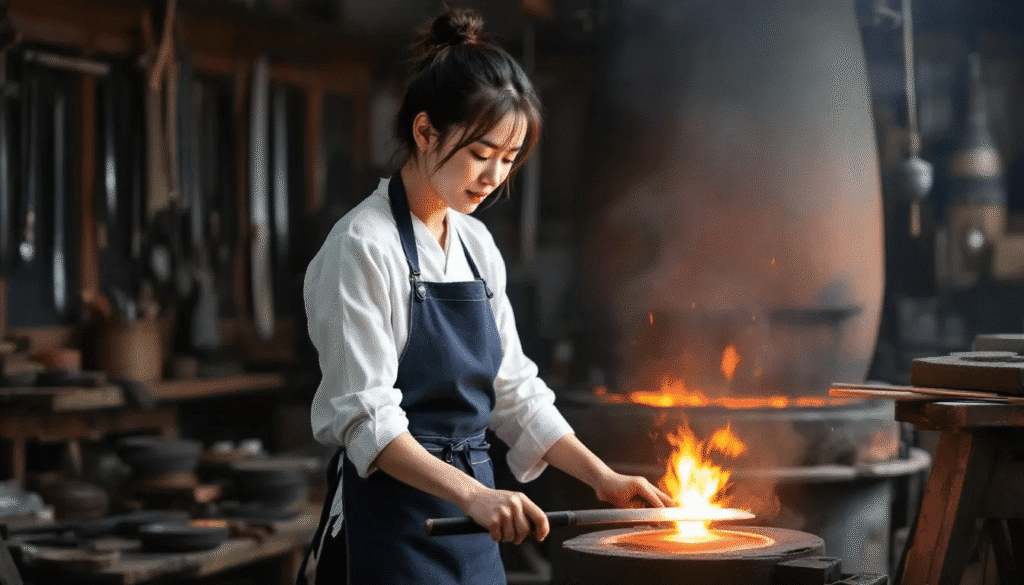
Nodoka Hirata plays a big part in making these knives. She is Japan’s only female Murage, which means she masters the Tatara furnace to produce Tamahagane steel. Her skills have grown so much that she now leads the steel-making process at Hirata Sword Smith. Nodoka works closely with other swordsmiths, and as a person deeply committed to her craft, she inspires others in the field. Her work ensures the steel used in Sukehira knives is top-notch.
Why a Female Murage Matters
Nodoka’s role is important because swordsmithing has long been a male-dominated field. Her success opens doors for women who want to join this craft. Having more women involved brings fresh ideas and helps the tradition grow in new ways. Nodoka’s story shows how anyone can succeed with passion and effort. These changes are happening right now in the world of Japanese sword and knife making, reflecting a dynamic and evolving tradition.
What Makes Sukehira Knives Valuable
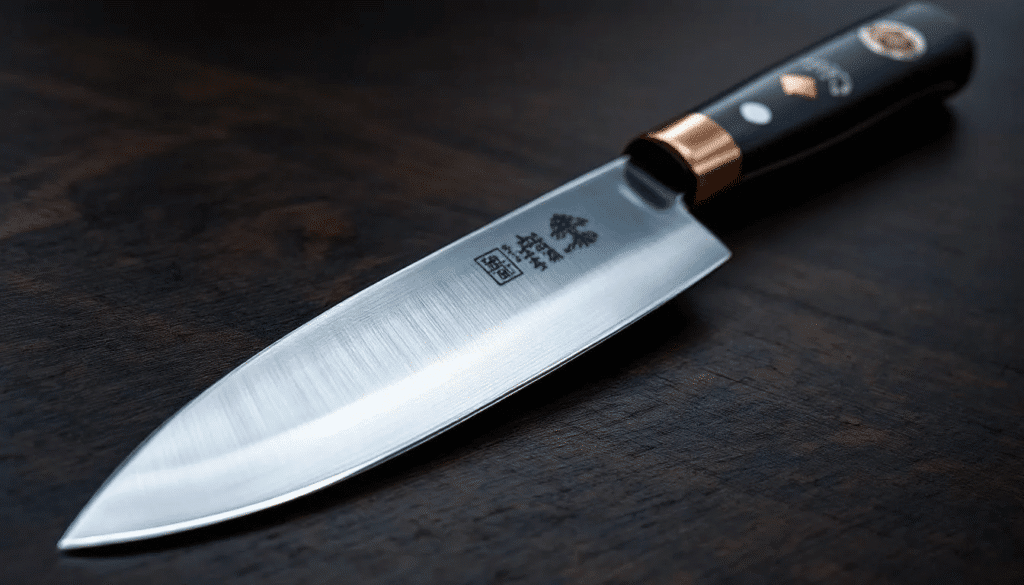
Sukehira knives are prized for their beauty and strength. For example, some Sukehira knives feature intricate hand-engraved patterns that tell the story of the craftsman’s lineage, highlighting their historical and artistic value. The high-quality Tamahagane steel makes them last a long time. Each knife is unique because of the handwork involved. They are not just tools but also pieces with history and meaning. Using one feels different—you can tell it’s made with care and skill.
Getting Your Own Sukehira Knife
If you want to buy a Sukehira knife, know that the price includes tax, and there may be a current sale or promotional pricing available—check for limited-time offers before purchasing. The company is based near Tokyo, making it accessible for both domestic and international customers seeking authentic Japanese craftsmanship. Orders ship directly from Tokyo, with various shipping options available, including international delivery. Shipping is available to certain countries, so check the company’s website for details. Taking care of these knives is important: hand wash them and avoid the dishwasher. With proper care, they can stay sharp and reliable for years.
Final Thoughts
Sukehira knives bring together tradition, skill, and quality steel. Whether you’re a home cook or a pro, these knives offer a special connection to Japanese craftsmanship. They’re more than just kitchen tools—they’re a piece of history you can use every day.
