
If you’ve ever looked for a knife that’s sharp, balanced, and built to last, you’ve probably heard about Sakai Japan knives. These knives come from Sakai City in Osaka, Japan — a place with over 600 years of knife-making history. Sakai became a major hub for weaponry production during the Muromachi period (14th-16th centuries), and the expertise developed during that time laid the foundation for its renowned knife-making tradition. The folks there have passed down their skills for generations, making knives that chefs and home cooks swear by.
In Sakai, the traditional division of labor means each stage of knife-making is handled by a different skilled craftsman, with each artisan responsible for their specific task. This specialized process ensures high quality and expertise in every knife produced. In 1982, Sakai knives were officially designated a ‘Traditional Japanese Craft’ by the Japanese government, further cementing their reputation for excellence.
- Introduction to Japanese Knives
- History of Japanese Knives
- A Bit About Sakai Takayuki
- What Makes These Knives Great?
- Types of Japanese Knives
- The Importance of Quality Materials
- Meet the Craftsmen
- Japanese vs. Western Knives
- The Role of Sakai Knives in Japanese Cuisine
- Taking Care of Your Sakai Knife
- Buying Sakai Japan Knives Online
- Knife Sets and Accessories
- Why I Recommend Sakai Japan Knives
- Final Thoughts
Introduction to Japanese Knives
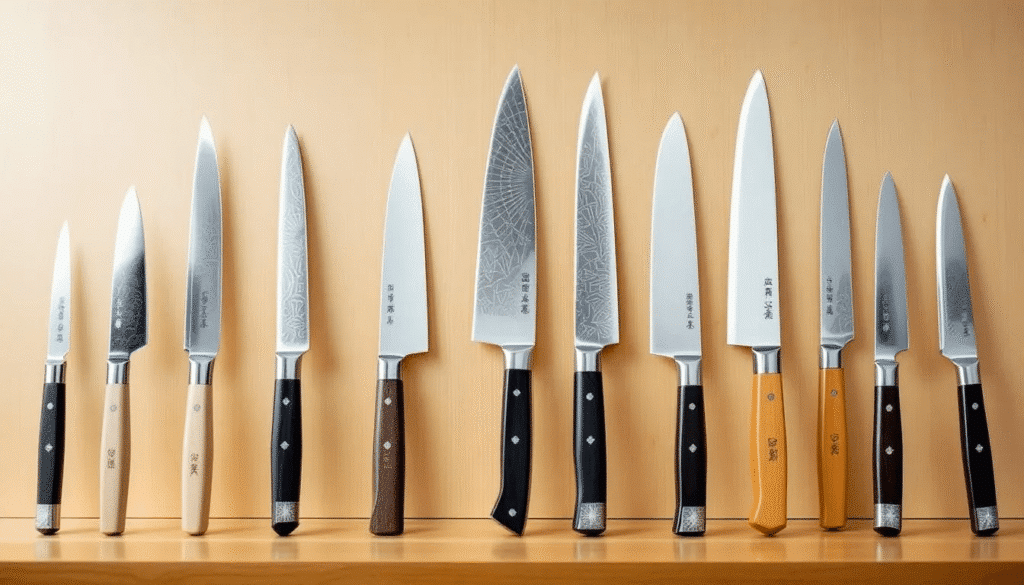
Japanese knives are absolutely cracking and get loads of praise all around the world for their dead-simple precision, proper artistry, and top-notch performance. Right at the heart of this whole tradition is Sakai Takayuki, a brand that’s a real standout for its brilliant mix of old-school craftsmanship and some pretty clever modern innovation. Sakai Takayuki is known as the largest knife maker in Sakai, producing a wide range of knives that cater to both professional chefs and passionate home cooks. Sakai Takayuki knives are the go-to choice for chefs and passionate home cooks alike, thanks to their absolutely brilliant edge, perfect balance, and quality that’s hard to beat. Each knife is a proper testament to the brand’s dedication to making tools that not only look the business but also get exceptional results sorted in the kitchen. Whether you’re a professional or just someone who loves a good cook-up at home, a Sakai Takayuki knife brings you that precision and reliability that Japanese knives are famous for – and it’s exactly what you need to get the job done right.
History of Japanese Knives
The story of Japanese knives goes way back to Sakai City in Osaka—a proper cracking place that’s dead famous for its top-notch blacksmiths and skilled craftsmen. For over 600 years now, Sakai’s been the go-to spot for knife-making, with generations of artisans getting their craft down to a fine art and passing on all their know-how. The craft’s roots trace back to the 5th century with ironworkers creating tools for constructing the enormous Nintoku tomb in Sakai. Sakai Takayuki, which got going back in 1947, has been a real key player in keeping this whole legacy alive, knocking out knives that hit the mark for chefs and cooks everywhere. The company’s dead serious about quality and sticking to tradition, which has made it a proper good name in the world of Japanese knives, making sure that each knife carries all the spirit and expertise from Sakai’s cracking heritage.
A Bit About Sakai Takayuki
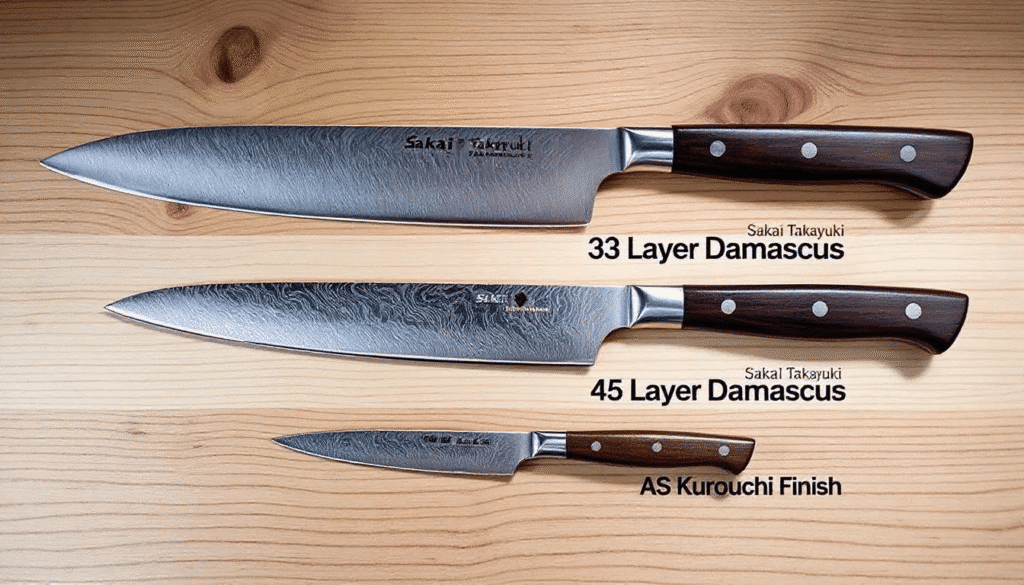
One of the top names in Sakai is Sakai Takayuki. This company has been making knives for a long time, working with skilled blacksmiths like Kenji Togashi and Itsuo Doi. These artisans work in a dedicated factory in Sakai, where traditional methods meet modern innovation to produce exceptional knives. Sakai Takayuki knives come in a variety of collections, including 33 Layer Damascus, 45 Layer Damascus, and AS Kurouchi. Each knife is crafted with care, blending old-school techniques with modern materials like stainless steel. The result? Knives that feel just right in your hand, with a sharp edge that stays sharp.
Experience the superior craftsmanship of Sakai Takayuki knives firsthand.
What Makes These Knives Great?
Sakai knives are known for their sharp blades, balanced weight, and comfortable handles. Whether you’re slicing veggies or filleting fish, these knives get the job done smoothly. They come in different styles, too — like Gyuto for all-around use, Santoku for precision, and Nakiri for chopping vegetables. There’s even Deba and Petty knives for more specialized tasks. Sakai Takayuki also produces several boning knives, including Honesuki, Garasuki, and Hankotsu, ensuring that every cutting need is met with precision.
Sakai Takayuki produces an impressive number of knife varieties, offering an extensive selection of shapes and styles to suit any need. These knives are widely used by both home cooks and professionals due to their quality and versatility. Many retailers keep a large stock of Sakai knives to meet the high demand from enthusiasts and professionals alike.
Types of Japanese Knives
Japanese knives come in all sorts of brilliant shapes and sizes, each one crafted for dead-specific kitchen jobs, and Sakai Takayuki offers a cracking selection to suit every need you can think of. The Gyuto is a proper versatile chef’s knife thats absolutely perfect for slicing and chopping through a whole range of ingredients with ease. The Santoku is a top pick for mincing and dicing work, while the Nakiri is specially knocked up for cutting vegetables with spot-on precision that’ll make your prep work a doddle. For those who fancy working with fish, the Deba is your go-to knife for filleting and butchering – its a right game-changer. The Petty, a neat little nimble knife, is dead handy for peeling, coring, and all those fiddly detailed jobs that need a delicate touch. With such a brilliant range of options, both professional chefs and home cooks can get their hands on just the right Sakai Takayuki knife to match their cooking style perfectly.
The Importance of Quality Materials
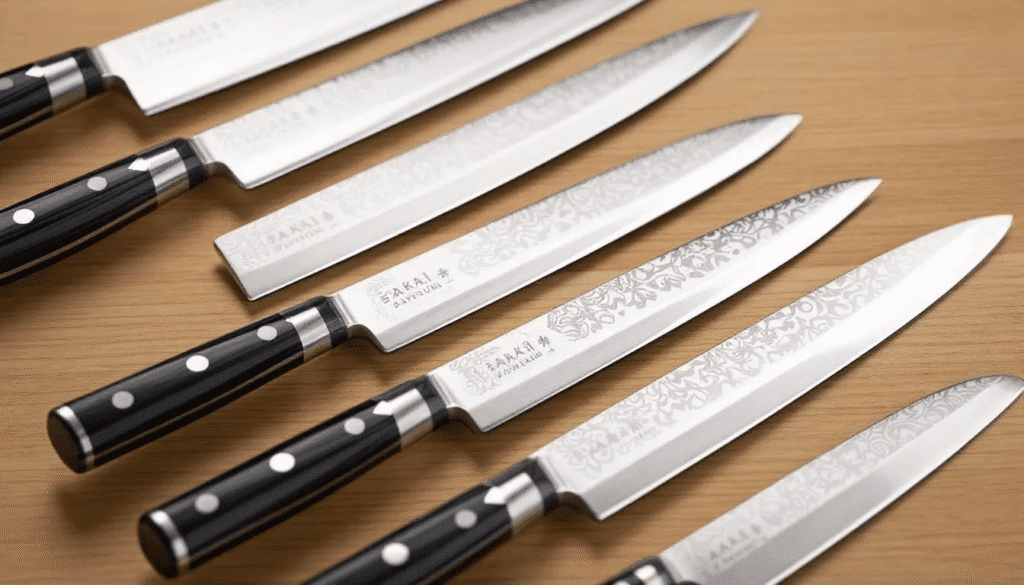
The secret to a cracking Japanese knife lies in the materials they use to make the thing. Sakai Takayuki is dead brilliant at picking only the top-notch stainless steel, which means each knife has got an edge thats sharp as anything and lasts ages, plus its got excellent resistance to rust and all that. The brands blacksmiths and craftsmen are absolute wizards when it comes to forging and sharpening, turning raw steel into proper works of art that are as functional as they are gorgeous to look at. This dedication to using the best materials and sticking to traditional techniques means every single Sakai Takayuki knife is crafted to deliver spot-on performance and durability, making it a trusted tool thats right at home in any kitchen.
Meet the Craftsmen
The magic behind these knives comes from the craftsmen. People like Itsuo Doi put their heart into every blade, driven by a deep passion for their art that is reflected in the exceptional quality of each knife. They use techniques passed down through generations to ensure each knife isn’t just a tool but a piece of work that cooks can rely on.
Japanese vs. Western Knives
You might wonder how Japanese knives differ from Western ones. Japanese knives usually have a sharper edge because they use higher-carbon steel. They’re lighter and more balanced, which helps when you want precise cuts. Western knives often use stainless steel, making them rust-resistant but sometimes not as sharp.
Sakai knives, in particular, are crafted to meet the needs of discerning users who value precision and tradition.
The Role of Sakai Knives in Japanese Cuisine
Sakai knives are an absolute must-have if you’re serious about Japanese cooking – chefs swear by them for their spot-on precision, cracking balance, and top-notch quality. Whether you’re prepping delicate sushi, slicing up some sashimi, or just getting on with everyday kitchen tasks, these knives help you nail the proper high standards that Japanese cooking’s all about. Sakai Takayuki’s range—from the dead handy Gyuto to the specialized Deba—has become a real staple in professional kitchens right across Japan and around the world. The brand’s commitment to doing things properly means that every knife backs up the artistry and skill you need for Japanese culinary traditions, making Sakai knives a vital bit of kit for anyone who’s passionate about their cooking.
Taking Care of Your Sakai Knife
To keep your knife in top shape, hand wash it and dry it right away. Avoid the dishwasher — it can dull the blade. Sharpen your knife regularly with a good stone, and store it safely in a knife bag or block. Avoid using the knife to cut through very hard items like thick bones, frozen foods, or tough shells, as this can chip the thin, hard blade. A little care goes a long way in keeping your knife ready for action.
Buying Sakai Japan Knives Online
Shopping online for these knives is easy and gives you lots of options. Many official websites offer detailed information and easy purchasing options for Sakai Japan knives. You can find single knives or sets that cover all your kitchen needs. Some Sakai knives have been successfully sold through online platforms and crowdfunding sites, reflecting their popularity and demand. Just check reviews and make sure the seller has a good return policy. That way, you get a knife that fits your style and budget.
Knife Sets and Accessories
If you want a full set, look for collections that include Gyuto, Santoku, and Nakiri knives. Some sets also have specialty knives like Deba and Petty. Accessories like sharpening stones and knife bags help keep your knives sharp and protected.
Why I Recommend Sakai Japan Knives
I’ve found that these knives offer a great balance of quality and value. They feel good in the hand, cut cleanly, and last a long time when cared for properly. Whether you’re a pro chef or just love cooking at home, having a good Sakai knife makes a difference.
Final Thoughts
Sakai Japan knives bring together centuries of tradition and modern craftsmanship. They’re tools made for cooks who want sharp, reliable knives without fuss. Today, Sakai is designated as a traditional craft item and is synonymous with high-quality Japanese knife making, with knives used by an estimated 90% of Japanese chefs. If you’re ready to upgrade your kitchen gear, these knives are worth checking out.
