
If you’ve inherited or found a vintage Rogers knife with “Made in Japan” stamped on the blade, you’re probably wondering whether it’s worth keeping. These mid-century kitchen tools have a loyal following among home cooks who prefer durability over trends.
The chef’s knife is the most important tool in any kitchen, and selecting a high-quality knife—such as a Rogers stainless steel knife from Japan—is crucial for effective cooking and overall satisfaction.
- Quick Answer: Are Rogers Japan Stainless Steel Knives Worth Using Today?
- Overview of Rogers Stainless Steel Knives from Japan
- Types of Rogers Stainless Steel Knives from Japan
- Key Features of a Typical Rogers Japan Chef’s Knife (Including Model M256)
- Made in Japan: What This Means for Quality and Craftsmanship
- Vintage Rogers Knives on Today’s Market
- How Rogers Knives Compare to Modern Workhorse Chef’s Knives
- Should You Replace Your Current Rogers Chef’s Knife?
- Care, Maintenance, and Sharpening Tips for Rogers Stainless Steel Knives
- Conclusion: Who Rogers Stainless Steel Japan Knives Are Best For
Quick Answer: Are Rogers Japan Stainless Steel Knives Worth Using Today?
Yes, vintage Rogers stainless steel knives made in Japan during the 1970s–1990s are generally solid mid-range workhorses that can still perform well in a modern kitchen. They’re not collectible high-end pieces, but they’re far from junk drawer material.
Popular models include the 8” and 9” chef knife variants with stainless blades and wood handle construction, often stamped “ROGERS STAINLESS JAPAN” or marked with codes like “M256.” If your blade is straight, unchipped, and the handle is secure, a proper sharpening can make it perfectly serviceable for 2026 home cooking.
These knives don’t rival premium Japanese brands like Shun or Masamoto. However, they can outperform many cheap supermarket blades once you sharpen them properly. Buyers should weigh reconditioning costs against simply purchasing an affordable modern workhorse like the Victorinox Fibrox if budget is the primary concern.

Overview of Rogers Stainless Steel Knives from Japan
Rogers was a western-facing label that sourced stainless steel kitchen knife products from Japanese factories during the late 20th century. These items were primarily manufactured for export to North America and Europe.
Key details about the brand and products:
- Production era: Primarily 1970s–1990s
- Product lines: 8–9 inch chef knives, utility knives, slicers, paring knives, and basic sets
- Distribution: Sold through department stores, mail-order catalogs, and hardware retailers
- Construction: Stamped stainless steel blades (not forged), designed for affordability
- Typical markings: “ROGERS CHEF’S KNIFE STAINLESS JAPAN” with model codes like “M256”
- Market position: Between mass-market house brands and recognized German makers like Zwilling (Henckels) or Dexter Russell
Types of Rogers Stainless Steel Knives from Japan
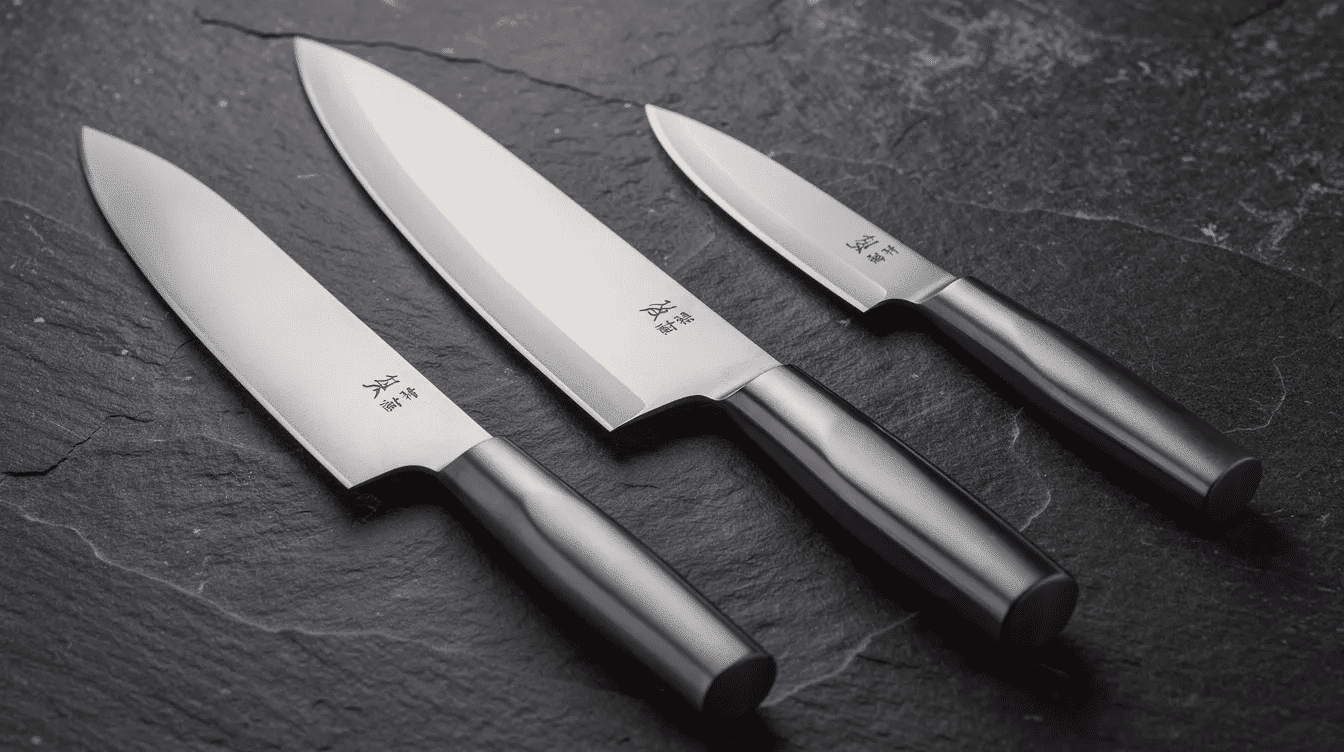
Rogers stainless steel knives from Japan offer a versatile lineup that appeals to both seasoned chefs and everyday home cooks. Among the most sought-after are the classic chef knives, which feature robust stainless steel blades paired with comfortable wood handles. These western-style kitchen knives are celebrated for their ability to resist corrosion and maintain a sharp edge, making them a staple in kitchens around the world.
Many people, including the pioneer woman and culinary enthusiasts on popular forums and websites, agree that Rogers knives strike a great balance between quality and price. Whether you’re slicing vegetables or preparing a full meal, the durable construction and thoughtful design of these knives make them a reliable choice. The wood handle not only adds a touch of traditional craftsmanship but also provides a secure grip for long prep sessions.
When comparing Rogers to other respected brands like Dexter Russell, Victorinox, and Zwilling, users often highlight the excellent edge retention and overall feel in hand. Feedback from online posts and forums consistently praises the value for money, especially when you consider the longevity these knives offer with proper care. Many cooks find that a Rogers kitchen knife can last for years, making it a smart investment for anyone looking to add a dependable tool to their collection.
If you’re looking to buy a Rogers stainless steel knife, pay attention to the type of blade and handle material, as well as the current price on the market. With a little research and attention to detail, you can find a great deal that will serve you well for a long time. Whether you’re making your first purchase or adding to an existing set, Rogers knives from Japan are a great way to enhance your kitchen and enjoy the satisfaction of using a tool that’s built to last.
Key Features of a Typical Rogers Japan Chef’s Knife (Including Model M256)
The Rogers Master Guild 8” knife and similar 9” models share common characteristics that made them popular among home cooks. Understanding these details helps you assess whether your knife is worth restoring.
Feature | Typical Specification |
|---|---|
Blade length | 225–230 mm (9”) |
Spine thickness | 2.0–2.2 mm at heel |
Steel type | Mid-range stainless (420/440 series) |
Hardness | Approximately 56–58 HRC |
Edge grind | Western double-bevel, ~20° per side |
Handle | Riveted hardwood, full or partial tang |
Weight | 200–250 grams total |
The blade profile features a gentle belly suited for both rocking and push cuts—familiar to anyone who has used a western knife. Many people prefer this balance, finding the slightly handle-heavy feel reassuring for control during long prep sessions, even if they later upgrade to more specialized options like Japanese Gyuto-style chef’s knives. |
One thing to note: fit and finish varies by production batch. Some examples show minor gaps at handle scales or slightly uneven factory grinding, typical of budget-friendly vintage imports from that time.
Made in Japan: What This Means for Quality and Craftsmanship
Post-1960s Japan became world-renowned for quality stainless steel manufacturing. Even budget knives benefited from this craftsman heritage, and understanding the essential types of Japanese kitchen knives can help you see where a vintage Rogers fits in the broader knife ecosystem.
- Rogers knives were likely produced in industrial facilities in Seki City, Japan’s historic cutlery hub
- Japanese factories adapted traditional forging knowledge to mass production while maintaining precision
- Even mid-tier factory blades receive careful heat treatment and grinding
- Stainless composition prioritizes corrosion resistance over the extreme sharpness of carbon steel
- Observable quality indicators include clean stampings and relatively straight grinds
The “Made in Japan” mark on vintage kitchen knives from this era is viewed positively by collectors and home cooks alike. Thomas, a forum contributor on a knife enthusiast website, noted these blades as “solid workhorses” that respond well to sharpening—feedback that’s common across online posts.
Vintage Rogers Knives on Today’s Market
Finding these knives in 2026 is relatively easy if you know where to shop. Here’s what to expect:
Where they’re sold:
- eBay, Etsy, Poshmark
- Local estate sales and flea markets
- Facebook Marketplace
Price ranges (USD, 2024–2026):
- Budget finds: ~$15
- Typical good condition: $20–$40
- “Mint” or NOS claims: up to $50
Condition issues to check:
- Large chips or bent tips
- Deep rust near the edge
- Warped blades
- Cracked or loose handles
- Faded logo stamps (cosmetic only)
A price reduction from $50 to $25 represents a nice deal for an M256 in good used condition, but it’s not a steal compared to what you’d spend on a new mid-range option. Many listings don’t include professional sharpening, so factor in time or money to restore a truly sharp edge.
Before buying a vintage Rogers stainless steel knife from Japan, read detailed listings, guides, or forum posts to understand what to look for and avoid common pitfalls.
How Rogers Knives Compare to Modern Workhorse Chef’s Knives
How does a vintage Rogers stack up against what you can buy new today? Here’s a practical comparison:
Factor | Rogers Japan (Vintage) | Victorinox Fibrox 8” |
|---|---|---|
Price | $15–$40 (used) | $30–$40 (new) |
Out-of-box sharpness | Usually dull | Excellent |
Handle material | Wood | Synthetic (Fibrox) |
Quality control | Variable | Consistent |
Edge retention | Moderate | Moderate-good |
Warranty | None | Lifetime |
Rogers knives, when properly sharpened, cut just as effectively for most home tasks. The edge holds through several cooking sessions before needing attention. However, Mercer and Victorinox offer better ergonomics and warranty support for similar money. |
The main appeal of Rogers is the combination of vintage charm, Japanese manufacture, and low entry price. People who love restoring older tools will find great satisfaction here. Those who prefer pure performance should buy new, especially if you’re considering high-precision options such as modern Takamura Japanese knives.
Should You Replace Your Current Rogers Chef’s Knife?
Before you spend money on a replacement, assess what you already have:
Keep and restore if:
- Blade is straight with no deep chips
- Handle is secure without dangerous cracks
- Only issue is dullness (fixable with sharpening)
- You felt an attachment due to sentimental value
Consider replacement if:
- Tang is rusted through
- Handle scales are splitting at rivets
- Blade has been ground down excessively over decades
- Ergonomics don’t work for your hand
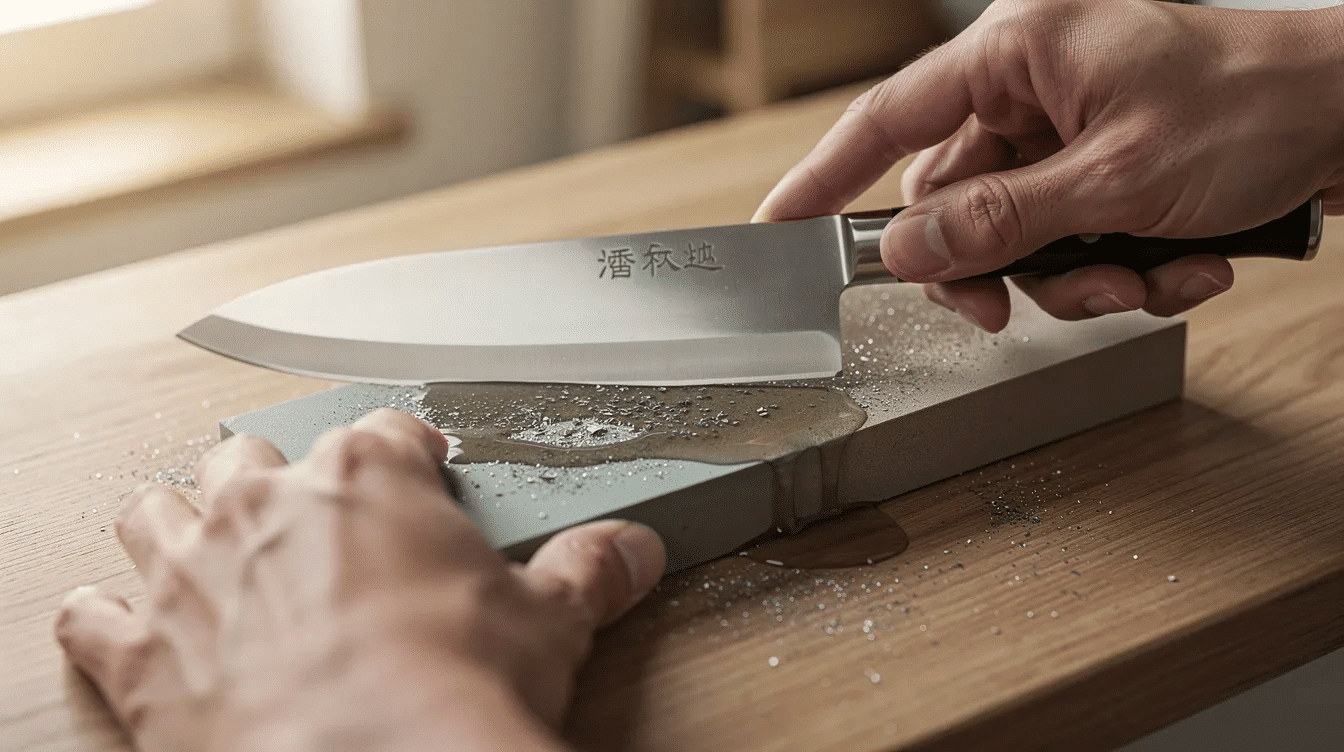
Learning to sharpen on water stones or guided systems can save significant money over time. Many users keep their vintage Rogers as a backup knife even after upgrading to a higher-end primary chef knife. Things that seem hard at first—like freehand sharpening—become routine with practice.
Care, Maintenance, and Sharpening Tips for Rogers Stainless Steel Knives
Stainless means corrosion-resistant, not rust-proof. Basic care extends the life of your blade significantly.
Daily care:
- Hand wash with mild soap
- Dry immediately after washing
- Never soak or run through dishwasher
Storage:
- Use a knife block or magnetic strip
- Avoid loose drawer storage (damages the edge)
Sharpening schedule:
- Hone weekly with ceramic or steel rod
- Full sharpen every 3–6 months for regular home use
- Use 1000/3000-grit water stones for best results
Before sharpening your Rogers stainless steel knives for the first time, read sharpening guides or instructions to ensure proper technique and avoid damaging the blade.
Cutting surface matters:
- Use wood or soft plastic boards
- Avoid glass, stone, or ceramic (rapid dulling)
For wooden handles, add food-safe mineral oil occasionally to prevent drying and cracking. This simple maintenance makes a world of difference for vintage pieces.
Conclusion: Who Rogers Stainless Steel Japan Knives Are Best For
Rogers stainless steel knives made in Japan are solid, budget-friendly vintage tools suited to home cooks who value reliability and don’t mind basic maintenance.
Ideal for:
- Budget-conscious home cooks
- Vintage tool enthusiasts
- Those who inherited a Rogers knife and want to use it
- Cooks who agree that restoration beats disposal
Less ideal for:
- Professional chefs needing ultra-thin, high-hardness blades
- Anyone prioritizing top-tier fit and finish
With proper sharpening, a 1970s–1990s Rogers chef knife can serve as a dependable everyday blade in 2026. Keeping and restoring an existing knife is more cost-effective and environmentally friendly than buying a cheap replacement. Thanks for reading—now test your Rogers after a good sharpening before deciding its fate.
