
When it comes to omakase knives, these tools are all about precision and getting the job done right, especially when slicing raw fish for sushi and sashimi. Omakase knives are rooted in Japan’s rich culinary tradition and are crafted with features that set them apart for sushi and sashimi preparation. Japanese knives are known for their sharp edges and ability to make clean, paper-thin cuts, and omakase knives are typically sharper than Western knives, allowing for cleaner cuts. Choosing the right blade material like high carbon steel or stainless steel plays a big part in how long the knife stays sharp and resists rust. Knives from Seki city are renowned for their durable construction and high-quality Japanese blades, reflecting the city’s legacy in traditional knife-making craftsmanship. Keeping your omakase knives in good shape means regular sharpening and properly caring for them, though some stainless steel options offer low maintenance compared to high-carbon steel varieties. Whether you’re a pro chef or just someone who loves cooking, knowing how to use and maintain these knives makes a big difference. Omakase knives also carry meaning and cultural significance in Japanese cuisine, symbolizing the artistry and tradition of Japan’s culinary heritage. The term “omakase” itself means “I leave it up to you,” reflecting the trust placed in the chef to create a unique and memorable dining experience.
- Types of Omakase Knives
- Materials and Construction
- Blade Characteristics
- Ergonomics and Design
- Choosing the Right Omakase Knife
- Key Knives Used in Omakase
- Omakase Knife Maintenance
- Sharpening and Honing Techniques
- Omakase Knife Safety
- Omakase Knife Care and Storage
- Advanced Omakase Knife Techniques
- Omakase Knives in Japanese Cuisine
Types of Omakase Knives
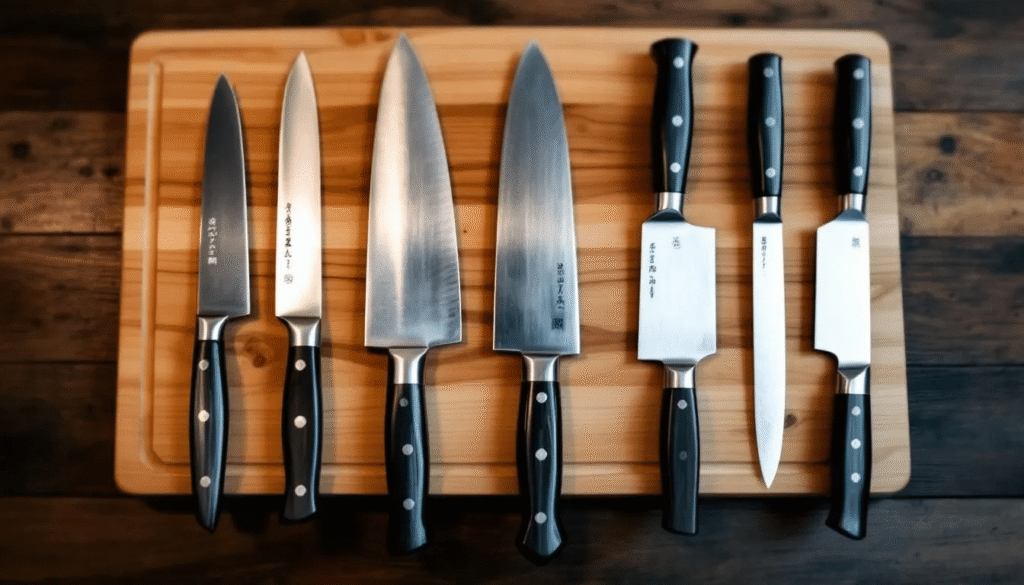
Different knives serve different purposes in the kitchen. Deba knives are strong and designed to break down and debone fish with strength and precision, easily cutting through bones and cartilage. Yanagiba knives have long, narrow blades that resemble the elegant leaves of a willow tree, making them perfect for slicing raw fish with a smooth cut. The yanagiba allows you to cut each piece precisely, which is important for presentation and texture. Nakiri knives work well for chopping vegetables, while santoku knives are versatile double bevel knives that handle many tasks around the kitchen and are easier for home chefs to maintain. Gyuto knives are also double bevel knives, similar to Western chef’s knives, and can be used for cutting meat and veggies alike. Usuba knives are thin with a pointed tip, ideal for intricate and delicate vegetable work. There are also small Japanese knives, perfect for working with small fish or performing delicate, precise tasks in tight spaces. Many of these knives have a single bevel edge, which means they need special sharpening skills. The takobiki knife, a variation of the yanagiba, is ideal for slicing fish and octopus and is often favored in Kanto cuisine.
Materials and Construction
Most omakase knives are made from high carbon steel, prized for sharpness and lasting edge. Some of these knives are especially durable, built to withstand rigorous use. Blue steel and white steel are popular types, each with its own strengths. Blue steel is tough and keeps sharp longer, while white steel is easier to sharpen and great for fine cuts. Stainless steel options are also available, offering low maintenance and resistance to rust. Handles can be wood or rosewood, affecting how the knife feels and balances in your hand. The blade’s shape and material affect how well it cuts and how much upkeep it needs. Japanese knives often use carbon steel, which is harder than other steel alloys and can be made extra-sharp, making them ideal for precision tasks.
Blade Characteristics
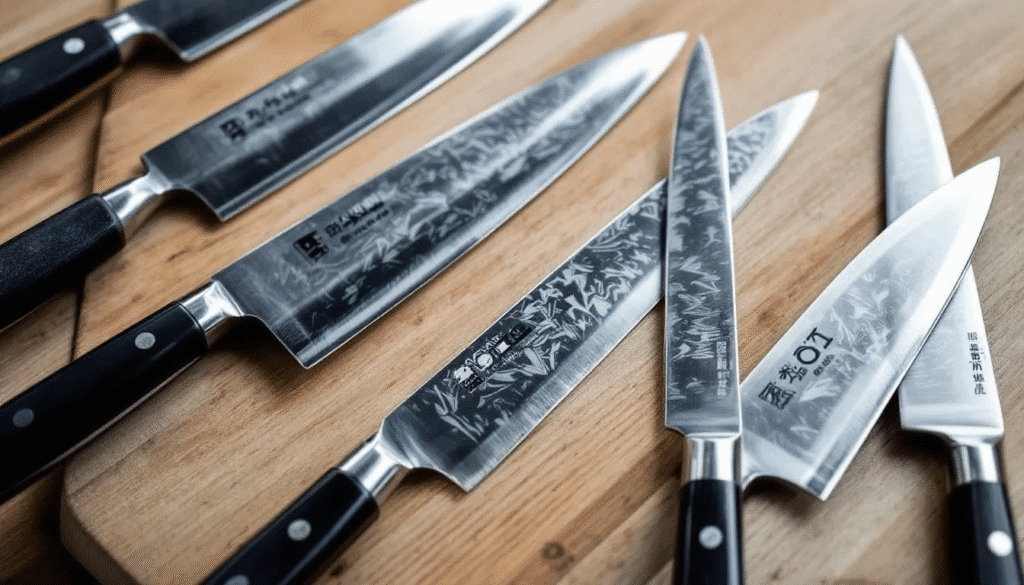
Omakase knives are renowned for their unique features, such as specialized blade shapes and tip designs, which are crafted to enhance precision and functionality in Japanese cuisine. A thinner, harder blade allows for more precise slicing but is more brittle and can chip if used improperly, emphasizing the need for careful handling and proper technique.
The blade’s design is key to how well the knife performs. Japanese blades are known for being sharper than many Western counterparts, allowing for greater precision and control. A sharp, well-honed blade ensures a smooth cut, preserving the integrity of the food and making clean cuts without tearing or crushing. It’s important to keep the edge honed to avoid dullness and rust. The size and shape of the blade also matter depending on what you’re cutting. A well-made blade makes slicing easier and safer.
Ergonomics and Design
A knife should feel comfortable to hold and use. The handle’s shape and material can help reduce hand fatigue during long prep sessions. Good balance between blade and handle makes cutting smoother. Some omakase knives have unique blade shapes and other features that suit specific tasks, adding to their usefulness. These features allow chefs to prepare each piece of food with precision, ensuring ideal presentation and texture. Plus, the look of the knife often reflects the skill and care put into making it. Oiling wooden handles every six months helps to prevent drying out, ensuring the knife remains comfortable and functional over time.
Choosing the Right Omakase Knife
What knife you pick depends on what you plan to do with it. Think about the blade’s material, size, and shape. The handle should feel good in your hands and offer a secure grip. Prices vary a lot, but investing in a quality, durable omakase knife pays off over time, as it will withstand years of use. Regular care, when done properly, keeps it working well and looking good. If you prefer convenience, consider a low maintenance knife.
Key Knives Used in Omakase
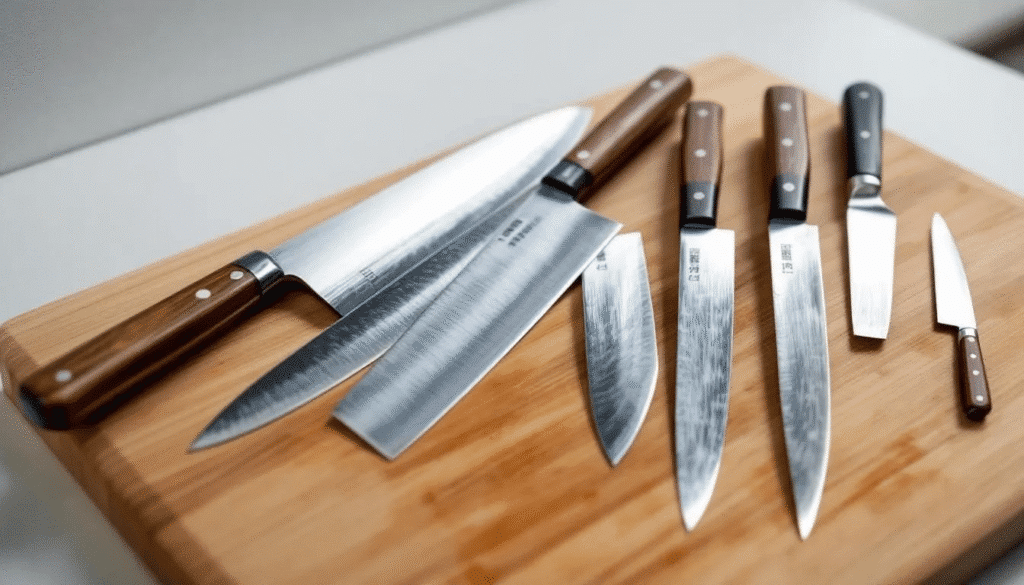
Deba knives are strong and perfect for breaking down and deboning fish, allowing you to break through bones and cartilage with precision and safety. Yanagiba knives slice raw fish with clean, thin cuts, ensuring each piece is prepared with precision for optimal presentation and texture. Nakiri knives handle vegetables with ease. Santoku knives are all-rounders for many kitchen tasks and are a type of double bevel knife, making them easier to sharpen and maintain. Gyuto knives are versatile double bevel knives, good for slicing meat and veggies. For delicate tasks or working with small fish, a small Japanese knife is ideal due to its compact size and control.
Omakase Knife Maintenance
Keeping your knives sharp and rust-free is a must if you want them to be properly maintained. Sharpen and hone them regularly using whetstones or sharpening tools. Always clean and dry knives right after use to avoid rust. Stainless steel knives are a good choice for those seeking low maintenance options, as they resist rust and are easy to clean. Oil wooden handles now and then to keep them from drying out. Store knives safely in a block or on a magnetic strip to protect the edges.
Sharpening and Honing Techniques
Sharpening keeps the blade’s edge strong, while honing helps maintain it between sharpenings. Whetstones are the best tool for this, but it takes practice to properly get the angle and pressure right. Regular sharpening means your knife stays sharp and ready for precise cuts.
Omakase Knife Safety
These knives are sharp, so handle them carefully. Store them where they won’t cause accidents. Use a sturdy cutting board to avoid slips. Always cut away from your body and keep your focus while working.
Omakase Knife Care and Storage
Looking after your omakase knives properly is dead simple but absolutely cracking for keeping them performing at their best. Japanese knives, especially the ones crafted from high carbon steel, need a bit of regular TLC to keep their sharpness and stop them going rusty on you. After you’ve been slicing up some raw fish or getting other ingredients sorted, always give your knife a proper wash by hand and get it dried off thoroughly – pay close attention to the blade material and edge. Its a really simple step that helps protect the steel from moisture and all that nasty corrosion business.
When it comes to storing the things, a wooden or plastic knife block is just the ticket for getting your knives organised and keeping the blades safe from getting knocked about. Don’t go leaving knives lying about loose on the counter or chucking them in a drawer – thats a sure way to dull the edge and up the chances of accidents. Give your knife a regular going-over with a whetstone and you’ll keep that edge sharp as anything and ready for those precise cuts, whether you’re getting fish ready for sushi or tackling other kitchen jobs. Make regular maintenance part of your routine and you’ll keep your Japanese knives in top nick, delivering all that precision and performance that omakase chefs rely on day in and day out.
Advanced Omakase Knife Techniques
If you’re after taking your omakase skills to the next level, then mastering some cracking advanced knife techniques is a dead cert way to show off the beauty and artistry of Japanese cuisine. One of the most impressive skills you can knock up is creating paper-thin slices of raw fish for sushi and sashimi – it’s absolutely brilliant when you get it right. Getting this level of precision sorted requires a proper sharp, narrow blade – often made from blue steel or white steel – that glides through the fish like nobody’s business, producing smooth, delicate cuts that’ll make both the flavour and presentation sing.
For the more complex jobs, like breaking down whole fish, chefs turn to the deba knife – and it’s a right cracker. Its robust design and balanced weight make it perfect for filleting and portioning, while keeping a clean edge that’s sharp as anything. The gyuto and santoku knives are typically what you’ll want for intricate vegetable slicing and breaking down proteins, letting chefs have a go at all sorts of cutting techniques. Single-bevel knives, designed for ultra-precise, delicate cuts, are the real hallmark of Japanese knife artistry and you’ll need a practiced hand to use them properly – but they’re worth their weight in gold when you get the hang of it.
Regular sharpening with whetstones is absolutely essential if you want to keep the sharpness and performance of these specialised blades in tip-top condition. With a bit of dedication and practice, chefs can achieve world-class results that’ll knock your socks off, transforming simple ingredients into exquisite omakase dishes that showcase the precision, technique, and beauty of Japanese knife work. It’s a proper art form when you see it done right!
Omakase Knives in Japanese Cuisine
Omakase knives are a big part of Japanese cooking, rooted in Japan’s rich culinary tradition, especially for sushi and sashimi. The meaning and cultural significance of omakase knives in Japanese cuisine go beyond their function, symbolizing the harmony and respect between chef and ingredients. The importance of Japanese blades lies in their ability to achieve the precision required for delicate tasks like slicing sushi and filleting fish. Unique features such as specialized blade shapes, fine tips, and expert craftsmanship make omakase knives essential in Japanese cooking. They help chefs prepare ingredients with care and precision. The skill and beauty of Japanese cuisine show in the knives used and the cuts made. These knives are more than tools—they’re part of the tradition and craft that make Japanese food special.
