

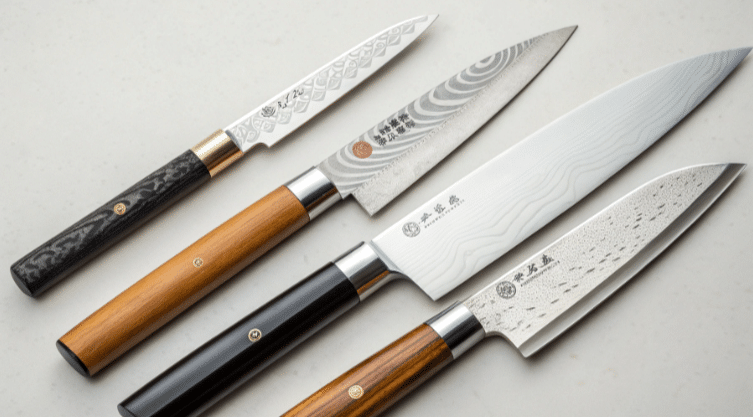
Knives from Japan are known worldwide for their sharpness and precision, and are a key part of the tradition of high-quality Japanese cutlery. Whether you’re a professional chef or just someone who loves cooking at home, these knives make a big difference. Made by skilled knife makers, Japanese kitchen knives combine traditional methods with top materials like carbon steel and Damascus steel. They hold their edge well and help you make clean cuts every time. Japanese knives typically use high-carbon steel with a high Rockwell hardness rating (60-65 HRC), which contributes to their exceptional sharpness and durability.
- The Story Behind Japanese Knives
- Different Types of Japanese Kitchen Knives
- What Japanese Knives Are Made Of
- White Steel Knives: Tradition Meets Performance
- What Makes Japanese Knives Stand Out
- Popular Japanese Knife Brands
- Taking Care of Your Japanese Knife
- Comparing Japanese and Western Knives
- Frequently Asked Questions
The Story Behind Japanese Knives
Japanese knives have a long history that goes back to samurai swords. The same care and skill used to make those swords are still part of how these knives are made today. Most Japanese knives are hand-forged using traditional techniques that date back to Samurai sword-making methods. Places like Sakai City are famous for their knife makers who keep these traditions alive. These knives aren’t just tools—they’re also beautiful pieces with unique designs that show real craftsmanship.
Different Types of Japanese Kitchen Knives
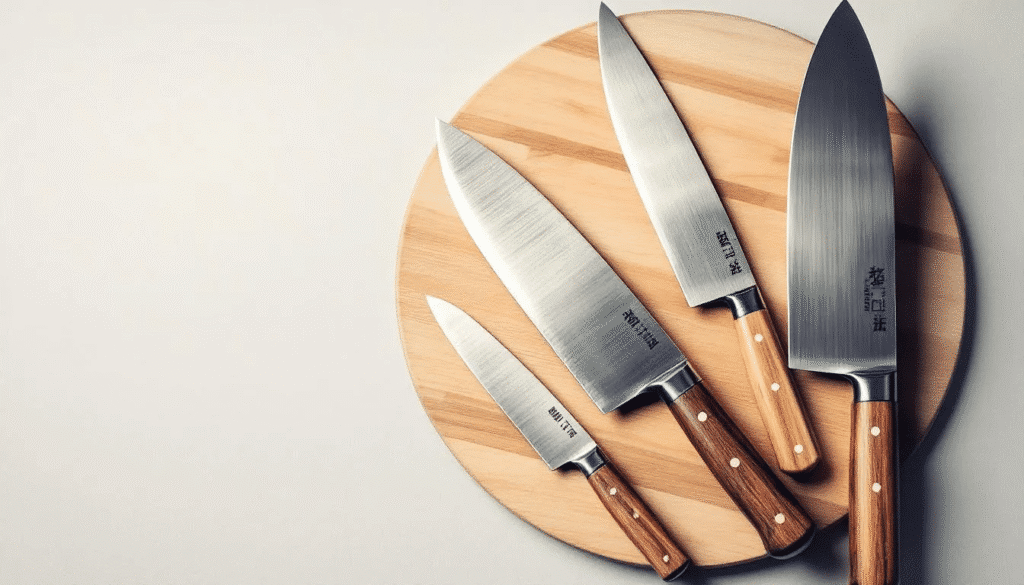
Japanese knives come in many styles, each tailored for specific culinary tasks and preferences.
There are many types of Japanese knives, each made for certain kitchen jobs:
- Santoku knives are great all-around knives for slicing, dicing, and chopping.
- Nakiri knives are perfect for cutting vegetables with clean, precise cuts.
- Usuba knives are traditional vegetable knives, known for their sharpness.
- Gyuto knives are similar to Western chef knives and work well for many tasks including slicing meat. The Gyuto, as well as the Sujihiki knife, is also excellent for preparing sashimi, as it can make thin, precise slices of raw fish.
- Yanagiba knives are long, thin, single-beveled knives specifically designed for slicing raw fish for sashimi and sushi.
- Deba knives are heavier and great for filleting fish or cutting meat.
What Japanese Knives Are Made Of
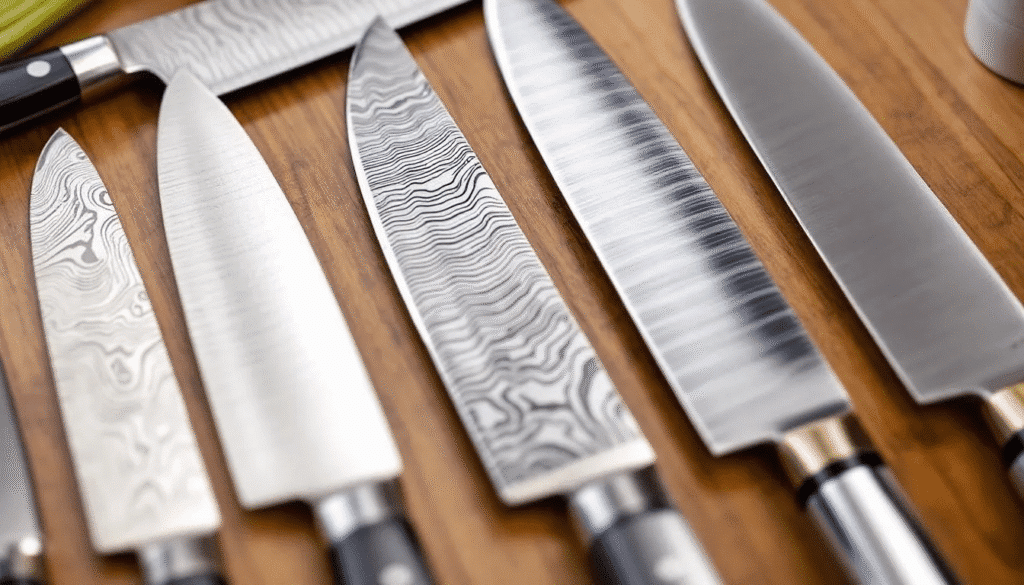
Materials matter a lot in these knives:
- High carbon steel offers sharp edges and lasts long but needs some care to avoid rust.
- Damascus steel is strong, tough, and has a beautiful layered look. The toughness of Damascus steel and high carbon steel gives Japanese knives excellent durability and resilience, allowing the blade to withstand demanding kitchen tasks without chipping or breaking. Damascus steel also enhances the strength and aesthetic appeal of Japanese knives by creating distinctive blade patterns.
- High-quality stainless steel is easier to maintain and resists rust.
- White steel (Shirogami) is a type of high carbon steel prized for sharpness and edge retention.
Each material fits different needs, whether you want a knife for delicate slicing or tougher jobs.
White Steel Knives: Tradition Meets Performance
If you’re after a proper kitchen knife that’s absolutely top-notch, then white steel knives are a cracking choice. They’re the real deal when it comes to Japanese knife craftsmanship, bringing together ages-old tradition with brilliant modern performance. Made from high carbon steel—or white steel as it’s often called—these traditional Japanese chef knives are dead good for their incredible sharpness and how well they keep their edge. Whether you’re a professional chef who needs spot-on slicing or just someone at home wanting to up your kitchen game, a white steel knife gives you those clean cuts and detailed work that make Japanese kitchen knives stand out from the crowd.
The secret behind why white steel knives are so bloomin’ good lies in what they’re made from. High carbon steel lets you get a much sharper edge and brilliant edge retention, making these blades perfect for precision cutting and all those fiddly kitchen jobs. Japanese knife makers, especially the ones from famous spots like Sakai City in Japan, have been perfecting their craft for generations, turning out blades that aren’t just functional but absolutely beautiful in style and form as well. The result is a knife that feels just right in your hand, giving you both the looks and the performance that chefs and collectors go mad for.
White steel is particularly popular for traditional Japanese chef knives like the santoku and nakiri. These Japanese style knives are brilliant for everyday use, absolutely ace at slicing vegetables, meats, and fish with no fuss at all. The sharper edge of white steel makes sure that every cut is clean and spot-on, making it much easier to get the perfect blade for whatever kitchen task you’ve got on. For anyone who values detailed work and precision, a white steel knife is something you just can’t do without.
While white steel knives give you exceptional sharpness and edge retention, they do need a bit more looking after than your typical high quality stainless steel knives. To keep them performing well and stop them going rusty, it’s important to dry the blade properly after each use and store it right. With just a little extra care and attention, these knives can last for decades, becoming a trusted mate in your kitchen.
When you’re picking out a white steel knife, think about things like blade length, style, and what the handle’s made from to match what you need for cooking. Whether you’re after a versatile santoku, a specialist nakiri, or another style, there are loads of options available at decent prices. Plenty of reputable Japanese knife makers and online shops offer a brilliant selection of white steel knives, often with free shipping thrown in, making it dead easy to find just the right fit for your kitchen.
All in all, white steel knives are a proper testament to the art and tradition of Japanese knife making. With their high carbon content, exceptional sharpness, and gorgeous craftsmanship, these knives are a top choice for anyone who values precision, durability, and style in their kitchen knives. Whether you’re preparing traditional Japanese cuisine or just tackling everyday kitchen tasks, a white steel knife will help you get professional results with every single slice.
What Makes Japanese Knives Stand Out
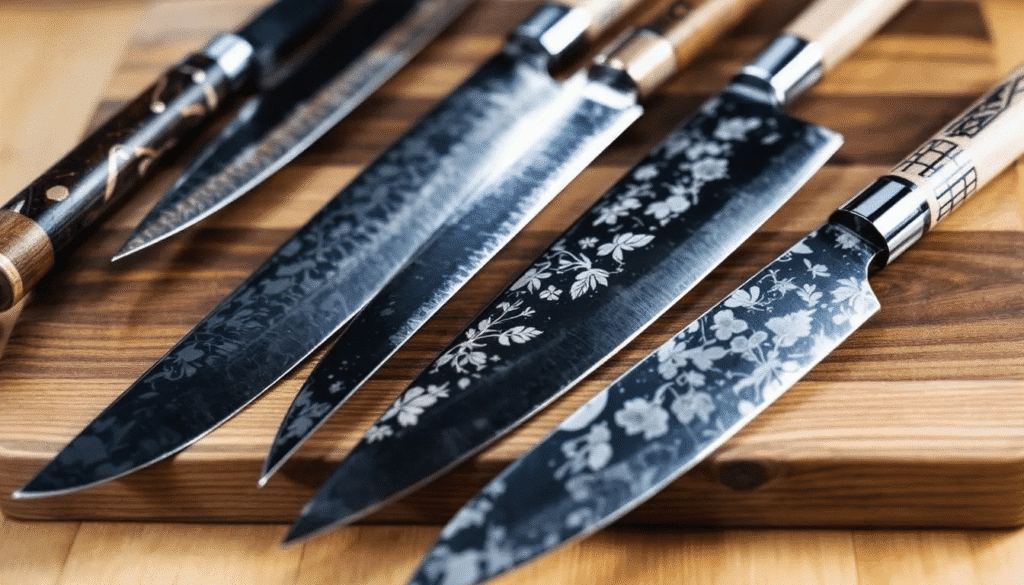
Japanese knives are sharp and hold their edge well. Their weight and balance make them comfortable to use for long periods without tiring your hand. The shape and length of the blade change depending on what the knife is made for—some are better for slicing, others for peeling or filleting. The attention to detail in every knife shows the skill of the makers.
The design, high-quality materials, and expert craftsmanship of Japanese knives all work together to enhance the knife’s performance, allowing for precision cuts and efficient work in the kitchen.
Popular Japanese Knife Brands
Some well-known names in Japanese knives include:
- Musashi, known for blending tradition with quality.
- Sakai Takayuki, famous for high-carbon steel knives.
- Shun, offering beautifully crafted knives with great sharpness.
- Global, known for modern designs and stainless steel blades.
- Yoshihiro, combining beauty and traditional craftsmanship.
Seki City, Takefu City, Sakai City, and Sanjyo City are known as the Japanese knife and cutlery capitals, where many of these renowned brands originate.
- Musashi, known for blending tradition with quality.
- Sakai Takayuki, famous for high-carbon steel knives.
- Shun, offering beautifully crafted knives with great sharpness.
- Global, known for modern designs and stainless steel blades.
- Yoshihiro, combining beauty and traditional craftsmanship.
Taking Care of Your Japanese Knife
To keep your knife sharp, regular sharpening is key. Using a whetstone or sharpening steel works best. Store knives in a dry place and avoid tossing them in drawers where they can get damaged. Clean and care for the handle too, so it lasts as long as the blade. Good care means your knife will stay reliable for years.
Comparing Japanese and Western Knives
Japanese knives tend to be sharper and lighter than Western knives. They’re built for precision cutting and clean slices. Western knives are often heavier and better for tougher tasks. The materials and craftsmanship in Japanese knives give them excellent edge retention and durability, making them a favorite for many cooks.
Frequently Asked Questions
- What makes Japanese knives different from Western knives? Japanese knives are thinner, sharper, and designed for precise cuts.
- How do I keep my Japanese knife sharp? Regular sharpening with a whetstone and proper storage helps maintain the edge.
- Which Japanese knife should I choose? Pick based on your main kitchen tasks—gyuto for all-purpose, nakiri for vegetables, deba for fish and meat.
- Are Japanese knives worth the price? They offer great value with sharpness, durability, and craftsmanship that lasts.
- Where can I buy Japanese knives? Our site carries a wide selection of Japanese knives from top brands and our own exclusive line. We offer worldwide shipping, so you can order with confidence no matter where you are.
With the right knife from Japan, your cooking can be easier and more enjoyable. These knives bring together tradition, quality, and precision to help you get the job done right every time.
