Finding the right kitchen knife transforms how you prepare food. Kin Knives offers a curated selection of authentic japanese kitchen knives, from versatile everyday blades to precision instruments for the professional chef. Each knife in the kin knives collection is carefully selected for quality blade construction, exceptional materials, and ergonomic handle design. Many customers love the craftsmanship and performance of Kin Knives, often expressing a strong emotional connection and satisfaction with these high-quality, handcrafted tools.
Explore japanese knives that match your cooking style, skill level, and budget—with options ranging from £45 to £945. Videos are available to showcase the knife-making process and craftsmanship, so you can watch and learn more about the authenticity and quality of Kin Knives.
Japanese Kitchen Knives for Every Culinary Need
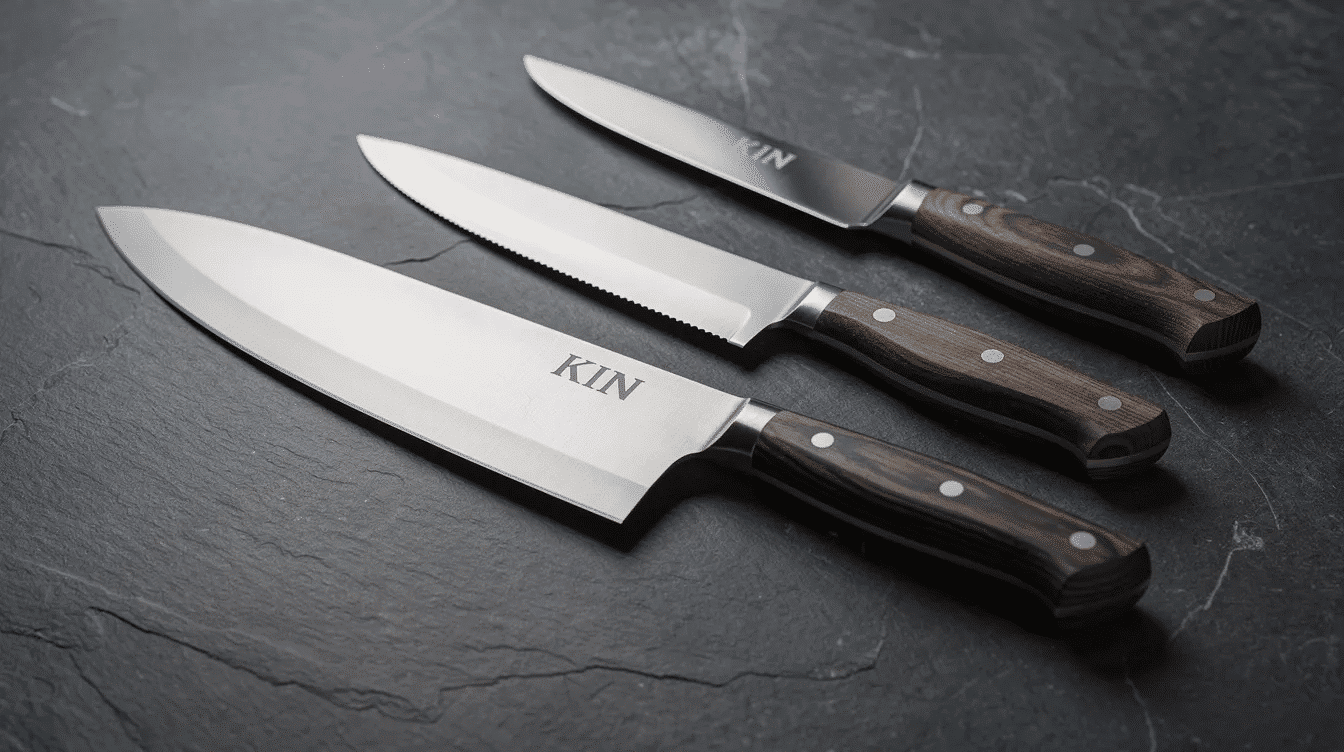
Different cutting tasks demand different tools. A great kitchen setup includes knives designed for specific purposes, whether you’re slicing vegetables for a weeknight dinner or preparing intricate dishes in a professional kitchen.
The selection spans from accessible home cook options to premium artisan pieces crafted in Japan by skilled bladesmiths.
Everyday Home Cooking Knives
Gyuto and Santoku knives form the foundation of any kitchen. The Gyuto chef’s knife resembles a Western chef’s knife with its longer, pointed blade—ideal for slicing, dicing, and chopping both vegetables and proteins. The Santoku offers a more compact shape with a flatter belly, perfect for push-cutting motions and precise vegetable work.
These versatile blades balance performance with practicality. Quality japanese kitchen knives at this level use dependable steel cores with protective cladding, making them forgiving to maintain while delivering sharp, consistent cuts. Prices start from £45, providing accessible entry into authentic Japanese cutlery.
Professional Chef Knives
Specialized knives like the Yanagiba, Deba, and premium Gyuto models cater to demanding culinary work, and understanding essential Japanese knife types helps you match each blade to its ideal task. Single-bevel Yanagiba knives deliver ultra-thin slicing for fish and delicate proteins. The Deba handles heavier tasks including bone preparation with controlled precision.
Advanced blade construction in this range features superior steel cores, tighter bevels, and refined edge geometry. These knives represent significant investment—options extend to £945—but deliver the durability and edge retention that professional environments require.
Specialty Task Knives
A complete knife set includes purpose-built tools beyond primary blades. Utility knives handle trimming and smaller cutting tasks. Paring knives excel at detailed work like peeling and garnishing. Bread knives feature serrated edges designed for crusty loaves without crushing delicate crumb structures.
Each specialty knife complements your main blades, ensuring the right tool for every ingredient and technique you encounter.
Choose the Right Knife for Your Cooking Style
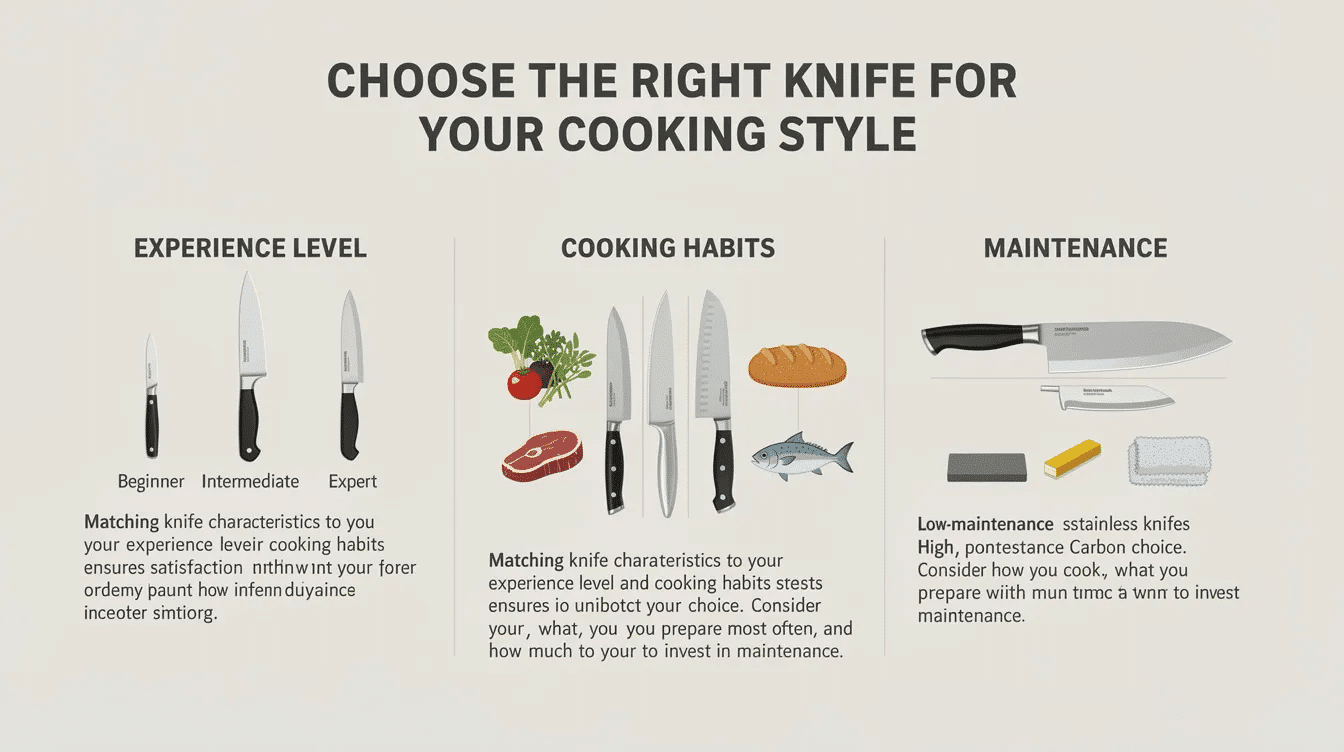
Matching knife characteristics to your experience level and cooking habits ensures satisfaction with your choice. Consider how you cook, what you prepare most often, and how much time you want to invest in maintenance.
For Beginner Home Cooks
Start with forgiving steel types and versatile shapes. Double-bevel knives with stainless or semi-stainless cores resist rust and sharpen easily without specialized equipment. A Gyuto (around 180-210mm) paired with a Santoku (165-175mm) covers most kitchen tasks.
Look for cladded blades that protect the cutting core while maintaining nice aesthetic appeal. Starter combinations in the £45-£80 range provide genuine Japanese quality without overwhelming maintenance demands—a great way to learn proper knife skills.
For Experienced Cooks
With developed technique comes appreciation for nuanced performance. Upgrade to premium blade construction featuring tighter bevels, superior steel grades, and refined finishes. Consider adding specialized shapes: a Nakiri for serious vegetable work or a Petty for precise trimming tasks.
Experienced cooks may be ready for single-bevel knives, which offer exceptional slicing ability but require more careful sharpening technique. Mid-range options (£100-£200) deliver artisan-level craftsmanship with enhanced handle materials and improved edge geometry.
For Professional Chefs
Performance under heavy daily use defines professional requirements. Prioritize steel hardness for edge retention, durability through service shifts, and ergonomic handles that reduce fatigue during extended prep sessions.
Damascus steel construction provides both beauty and function—layered steel protects hard cutting cores while creating distinctive patterns. Premium ranges feature blades forged by known Japanese makers, such as Takamura knives for precision and performance, ensuring consistency and precision that professional standards demand.
Premium Materials and Craftsmanship
Japanese knife-making traditions combine centuries of metallurgical knowledge with precise hand-finishing techniques. Understanding materials helps you choose knives that match your expectations for performance and maintenance.
Damascus Steel Construction
67-layer Damascus steel creates distinctive wave patterns while serving practical purposes. Multiple steel layers add structural toughness, reduce warping, and protect the hard cutting core from chips and damage.
Shigeki Tanaka, whose craftsmanship appears in premium Kin Knives ranges, produces hand-forged blades using folded steel techniques. This approach delivers knives with character—each blade showing subtle variations that sign their handmade origin while maintaining consistent cutting performance.
AUS-10 Steel Core
The cutting edge determines daily performance. AUS-10 steel cores balance hardness with maintenance practicality, holding sharp edges through extended use while remaining accessible to sharpen at home. Heat treatment quality matters significantly—properly treated steel reaches optimal hardness without becoming brittle.
Different knives in the collection vary in their steel specifications, allowing you to choose based on your maintenance preferences and cutting demands.
Handle Design and Ergonomics
Japanese octagonal handles (Wa-style) provide secure grip and excellent balance. Materials across the range include walnut, stabilized woods, and pakkawood—each offering durability and distinctive appearance.
Handle choice affects comfort during extended use. Consider how the knife feels during your typical cooking session, whether that’s quick weeknight prep or hours of professional service.
How to Care for Your Kin Knives
Proper maintenance preserves edge sharpness and extends knife lifespan significantly. A lot of the investment in quality japanese knives pays off through years of reliable performance when cared for correctly.
Daily Maintenance
Hand wash knives immediately after use with mild soap and lukewarm water—never use dishwashers. Dry thoroughly with a soft cloth, paying attention to the handle junction where moisture can accumulate. Store on magnetic strips, in knife blocks, or with blade guards to protect edges.
Choose cutting boards carefully. Soft woods like maple or high-density polyethylene preserve edge sharpness; avoid glass, ceramic, or marble surfaces that dull blades rapidly.
Sharpening and Honing
Regular honing with ceramic rods maintains edge alignment between sharpenings. When blades dull noticeably, water stones restore cutting ability—start with coarse grits (around 1000) and finish with finer stones (3000-8000) depending on desired polish.
Sharpening accessories available alongside the knife collection include quality stones suited to different skill levels. Learning proper technique takes time but rewards you with knives that perform better than factory edges.
Explore the Complete Kin Knives Collection
Kin Knives operates as a family-run business based in Woodbridge, Suffolk, bringing exclusive Japanese knife ranges directly to discerning cooks across the UK. Every product is selected for quality, with detailed descriptions helping you make informed decisions.
Browse the full selection—from accessible everyday blades at £45 to premium artisan pieces at £945. Customer reviews confirm the value these knives deliver, whether you’re making your first step into authentic Japanese cutlery or adding precision instruments to an established collection.
Your ideal knife is here. Find the design, steel type, and price point that fits your kitchen and cooking style.
