

Mastering Japanese knife cutting is more than just learning to chop vegetables; it’s about connecting with a rich history of craftsmanship. This guide will walk you through everything you need to know. We’ll cover the history of these amazing tools, the different types of knives and what they’re used for, and the core techniques you’ll need to slice and dice like a pro. Learning these skills will make you more efficient in the kitchen and give you a new appreciation for the food you prepare.
- History and Philosophy of Japanese Knives
- Types of Japanese Knives and Their Uses
- Essential Japanese Knife Cutting Techniques
- Maintaining Your Japanese Knives
- Safety Tips for Japanese Knife Cutting
- Level Up Your Kitchen Skills
- FAQs
- What is the historical significance of Japanese knives and how do their craftsmanship philosophies influence their design?
- What are the main types of Japanese knives and their specific uses in the kitchen?
- How can I effectively learn and improve my Japanese knife cutting techniques?
- What are essential tips for maintaining and caring for Japanese knives to ensure their longevity and performance?
- What safety precautions should I follow when using Japanese knives in my kitchen?
History and Philosophy of Japanese Knives
The story of Japanese knives is deeply connected to the country’s famous samurai swords. For centuries, skilled artisans perfected the art of forging steel to create blades that were both incredibly sharp and durable. When Japan’s feudal era ended, many of these sword-smiths turned their skills to making kitchen knives. They used the same careful techniques to create tools for a new kind of warrior: the chef.
This background is why Japanese knives are so special. Each knife is a piece of art, made with a focus on balance, precision, and simplicity. Using a Japanese knife isn’t just about cutting food; it’s about respecting the ingredients and the tradition behind the tool. The philosophy is to work with the food, not against it, allowing for clean cuts that preserve the ingredient’s texture and flavor.
Types of Japanese Knives and Their Uses
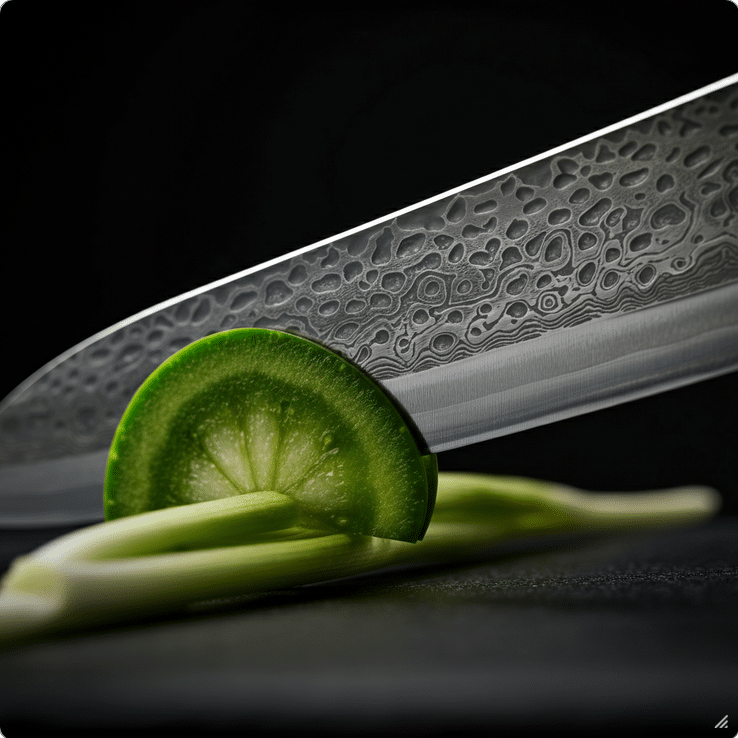
There are many types of Japanese knives, each designed for a specific purpose. Understanding the main types will help you choose the right tool for the job.
Chef’s Knife (Gyuto)
The Gyuto is the Japanese version of the classic Western chef’s knife. Its name means “cow sword,” and it was originally used for cutting meat. Today, it’s a versatile, all-purpose knife perfect for slicing, dicing, and chopping meat, fish, and vegetables. Its blade has a slight curve, which allows for a gentle rocking motion on the cutting board. If you’re only going to own one Japanese knife, the Gyuto is a fantastic choice.
Vegetable Knife (Nakiri/Usuba)
The Nakiri and Usuba are designed specifically for vegetables. Both have a straight, flat blade that allows you to make clean, straight cuts all the way through to the cutting board without needing to rock the knife. The Nakiri has a double-beveled edge, meaning it’s sharpened on both sides, making it easy for home cooks to use. The Usuba, on the other hand, has a single-beveled edge, which can make incredibly thin, precise cuts but requires more skill to master. These knives are perfect for chopping vegetables for stir-fries or making paper-thin cucumber slices for a salad.
Fish Filleting Knife (Deba)
The Deba is a heavy, robust knife with a thick spine. It’s designed for butchering and filleting whole fish. Its weight gives you the power to cut through fish heads and bones, while the sharp tip allows for delicate work along the spine. The Deba is a single-bevel knife, which helps guide the blade along the bone for a clean fillet. It’s a must-have tool for anyone who loves preparing fresh fish at home.
Slicing Knife (Sujihiki/Yanagiba)
For perfectly clean slices of raw fish for sashimi or slicing a roast, you need a Sujihiki or Yanagiba. These knives have long, thin blades that allow you to slice through food in one single, long drawing motion. This prevents tearing and creates a beautifully smooth surface. The Yanagiba is a traditional, single-bevel slicer often used by sushi chefs. The Sujihiki is its Western-style counterpart with a double-bevel blade, making it a bit more versatile for slicing both fish and meats.
Petty Knife (Petty)
The Petty knife is a small utility knife, similar to a Western paring knife. It’s perfect for small, delicate tasks that a larger chef’s knife would be too clumsy for. Use it for peeling fruits and vegetables, trimming herbs, or creating detailed garnishes. Its small size gives you excellent control for intricate work.
Essential Japanese Knife Cutting Techniques
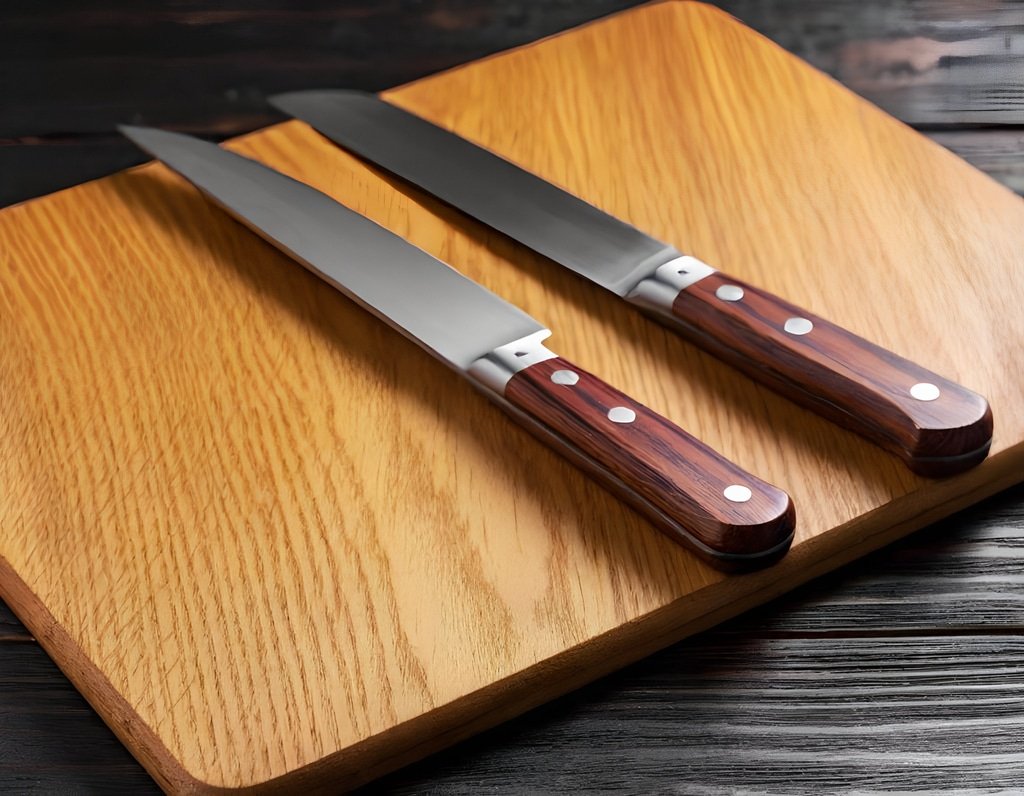
Using the right technique is just as important as having the right knife. Here are three fundamental cutting motions to practice.
Rocking Chop
The rocking chop is often used with a Gyuto. To do this, place the tip of the knife on the cutting board and keep it there. Then, raise and lower the heel of the blade in a rocking motion to chop through your ingredients. Your non-knife hand should hold the food with your fingertips curled under, using your knuckles as a guide for the blade. This is an efficient way to chop herbs or dice vegetables quickly.
Push Cut
The push cut is ideal for knives with a flat profile, like the Nakiri. Start with the blade over the ingredient and simply push the knife forward and down through the food. The knife moves diagonally, slicing as it goes down. This technique gives you very clean, precise cuts and is perfect for getting uniform slices of vegetables like carrots or celery.
Pull Cut
The pull cut is used with slicing knives like the Yanagiba or Sujihiki to create flawless slices of fish or meat. The key is to use the length of the blade. Start your cut with the heel of the knife (the part closest to the handle) and draw the knife back towards you in one smooth, continuous motion. This long, uninterrupted slice ensures there are no ragged edges, which is especially important for delicate foods like raw fish.
Maintaining Your Japanese Knives
Japanese knives are made from high-carbon steel, which can hold a very sharp edge but is also more prone to rust than stainless steel. Proper care is essential to keep your knives in top condition.
Cleaning
Always wash your Japanese knives by hand immediately after use with warm water and a mild dish soap. Never put them in the dishwasher, as the harsh detergents and high heat can damage the blade and handle. After washing, dry the knife completely with a soft cloth to prevent rust.
Sharpening
A sharp knife is a safe knife. Japanese knives should be sharpened regularly using a whetstone. Whetstones come in different grits: a coarse grit is used to repair chips or reshape the edge, a medium grit is for general sharpening, and a fine grit is for honing and polishing the blade to a razor-sharp edge. Learning to use a whetstone takes practice, but it’s a skill that will serve you and your knives well for years to come.
Storage
Proper storage protects your knives from damage and keeps you safe. Avoid tossing them in a drawer with other utensils, as this can chip or dull the blades. A magnetic knife strip, an in-drawer knife block, or a wooden knife block are all excellent storage solutions. If you need to transport your knives, use a knife roll or individual blade guards called sayas.
Safety Tips for Japanese Knife Cutting
These knives are incredibly sharp, so safety should always be your top priority.
Proper Grip
The most common and secure way to hold a chef’s knife is the “pinch grip.” Pinch the blade between your thumb and forefinger right in front of the handle, and wrap your other three fingers around the handle itself. This gives you great control over the blade. Always keep your fingers on your non-knife hand curled in, using your knuckles as a guide for the blade to prevent cuts.
Cutting Board
Use a stable cutting board that won’t slip. A wooden or high-quality plastic board is best, as materials like glass or stone will dull your knives quickly. Place a damp paper towel or a non-slip mat under your cutting board to keep it from moving around while you work.
Focus and Awareness
Pay attention when you’re using a sharp knife. Avoid distractions and concentrate on the task at hand. A moment of inattention is all it takes to cause an accident. Work at a comfortable pace and never rush.
Level Up Your Kitchen Skills
Learning to use and care for Japanese knives is a rewarding process that can improve your cooking. By understanding the different types of knives and mastering a few basic techniques, you can prepare food with greater precision and confidence.
Share this guide with your fellow foodies and home cooks! Ready to take your culinary skills up a notch? Explore our curated selection of Japanese knives and tools. Sign up for our newsletter and never miss a new recipe, tip, or exclusive offer! Got a tip to share? Leave a comment with your favorite Japanese knife cutting technique.
FAQs
What is the historical significance of Japanese knives and how do their craftsmanship philosophies influence their design?
Japanese knives stem from the country’s tradition of forging samurai swords, emphasizing balance, precision, and simplicity, which reflect their focus on respecting ingredients and the art of working with food rather than against it.
What are the main types of Japanese knives and their specific uses in the kitchen?
Japanese knives include the Gyuto for versatile all-purpose use, Nakiri and Usuba for vegetables, Deba for fish filleting, Yanagiba and Sujihiki for slicing raw fish or meat, and Petty for delicate, small tasks like peeling or trimming.
How can I effectively learn and improve my Japanese knife cutting techniques?
Practice fundamental cuts such as rocking chop, push cut, and pull cut, which are suited to different types of knives and tasks, and focus on proper grip, technique, and control to enhance precision and safety.
What are essential tips for maintaining and caring for Japanese knives to ensure their longevity and performance?
Clean your knives by hand with warm water and mild soap immediately after use, dry thoroughly to prevent rust, regularly sharpen with a whetstone using different grit levels, and store them properly in a knife strip, in-drawer block, or with blade guards.
What safety precautions should I follow when using Japanese knives in my kitchen?
Use the pinch grip for a secure hold, work on a stable, non-slip cutting board, stay focused without distractions, and always keep your fingers curled on the non-knife hand to avoid injuries.
