Finding the right kitchen knives can feel overwhelming when a single brand offers everything from budget-friendly options to premium artisanal blades. If you’ve searched for a Henckels Japanese knife, you’ve likely encountered overlapping product lines, confusing brand tiers, and knives made in three different countries. This guide cuts through the confusion to help you understand exactly what you’re buying.
- Quick Answer: What Is a Henckels Japanese Knife?
- Henckels & Zwilling: German Roots, Japanese Craft
- Types of Henckels Japanese Knives
- Spotlight: HI Style Elite Santoku Made in Seki, Japan
- MIYABI Kaizen & Kaizen II: Japanese Precision with Henckels Engineering
- Zwilling Tanrei & Kramer by Zwilling: High-End Japanese-Made Lines
- Henckels Japanese Knife vs German & Value Lines
- How to Choose the Right Henckels Japanese Knife for Your Kitchen
- Care & Maintenance for Japanese Henckels Knives
- Where to Buy Henckels Japanese Knives & What to Check Before Purchase
Quick Answer: What Is a Henckels Japanese Knife?
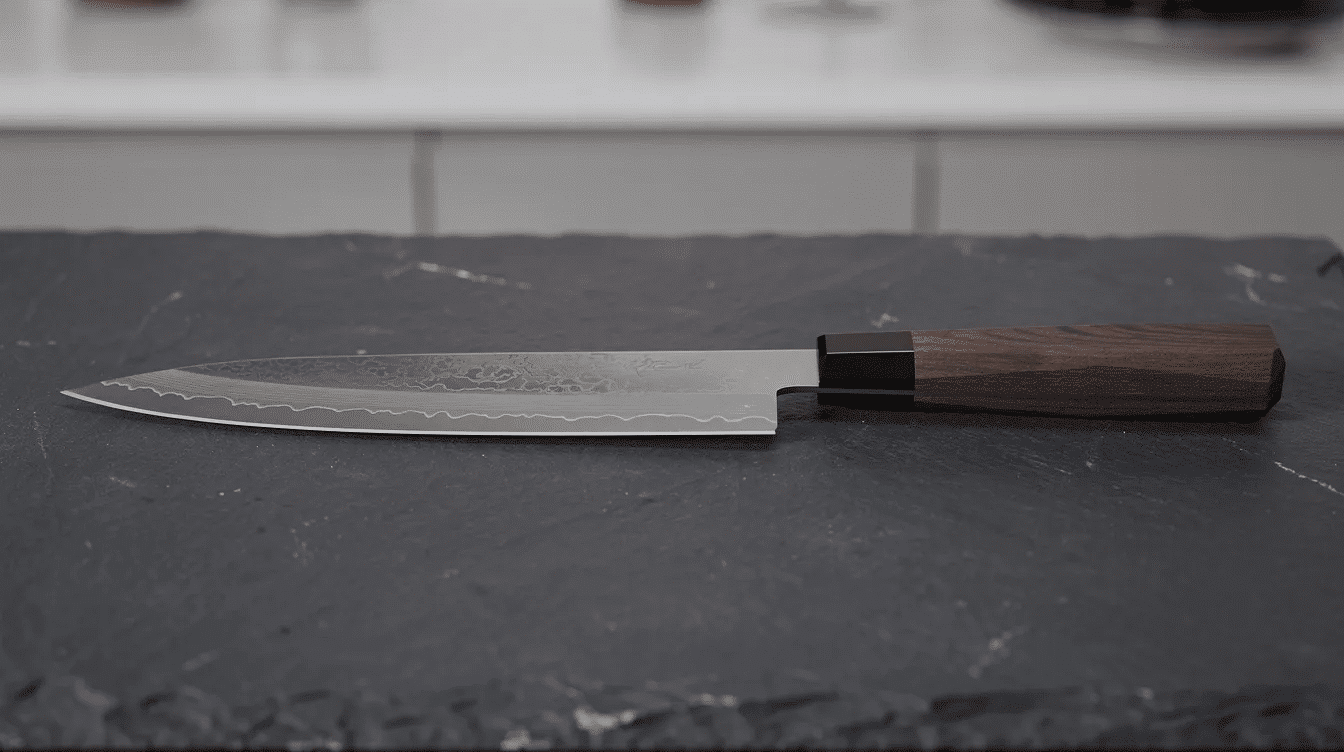
When people search for “Henckels Japanese knife,” they’re typically referring to Japanese-made blades produced under the Zwilling J.A. Henckels umbrella, particularly santoku knives and the MIYABI series manufactured in Seki, Gifu Prefecture, Japan.
These knives represent a hybrid approach to cutlery design. German engineering precision meets Japanese blade geometry and material science, resulting in thinner blades with harder steel that maintains edge retention significantly longer than traditional Western alternatives. The combination delivers the sharpness and precision cutting capability that Japanese cuisine demands while maintaining handle designs familiar to Western cooks.
Concrete examples include the HI Style Elite Santoku (model 16807-481, 7.1 inches), the miyabi kaizen and Kaizen II chef’s knives featuring 64-layer Damascus cladding, and the Kramer by Zwilling Japanese-made collection. These products span different price points from accessible home-cook options to zwilling professional grade tools.
One critical distinction: not all Henckels-branded knives come from Japan. Some are manufactured in China or Germany. Japanese Henckels knives are clearly labeled “Made in Japan” or “Seki, Gifu Prefecture” on the blade and packaging. Always verify the country of origin before purchasing.
Henckels & Zwilling: German Roots, Japanese Craft
Zwilling J.A. Henckels traces its origins to Solingen, Germany, establishing the company as the oldest continuously operating German knife manufacturer in the world. Today, the brand operates a global production network spanning Germany, Japan, and China.
Zwilling (twin logo) represents the premium tier. This includes German-forged knives alongside high-end Japanese collaborations—MIYABI, Tanrei, and Kramer by Zwilling—many featuring Seki-made blades with exceptional steel quality.
Henckels (single figure logo) functions as the value tier, typically manufactured outside Germany, often in China. However, specific items like the HI Style Elite Santoku are made in Japan, demonstrating that the Henckels brand can include authentic Japanese craftsmanship.
Seki City connection: Zwilling strategically acquired and developed manufacturing capability in Seki, Gifu Prefecture—a region with centuries of sword-making heritage. This factory produces authentically Japanese blades for MIYABI, Kramer, and select Henckels products, combining traditional Seki craftsmanship with German quality control standards.
Types of Henckels Japanese Knives
Japanese knives in the Henckels/Zwilling collection cover multiple specialized styles: Santoku, Nakiri, Gyuto-style chef’s knives, Shotoh, and Sujihiki. Each design serves specific cutting tasks reflecting Japanese culinary traditions of purpose-built tools.
Santoku knives represent the most popular entry point for Western cooks. Models like the HI Style Elite 7.1” and Henckels Classic 7” Hollow Edge Santoku work as all-purpose blades well suited for vegetables, meat, and fish. The hollow (granton) edges reduce sticking during slicing, making tireless cutting through ingredients more efficient.
Other Japanese-style offerings include Nakiri vegetable cleavers for precision cutting down to the exact millimeter, Gyutoh knives bridging Western chef’s knife size with Japanese blade geometry, compact Shotoh utility knives for detail work, and elongated Sujihiki slicing knives designed for clean cuts through cooked proteins.
MIYABI lines (Kaizen, Kaizen II, birchwood, Black, Mizu) deliver traditional Japanese profiles with very hard steel and thin grinds for ultra-fine cuts. These premium options target serious home cooks and professionals.
Kramer by Zwilling Japanese-made series (Damascus, Cumulus, Carbon 2.0, Maiji) feature tall blades with high-hardness steel—premium options for enthusiasts in this category seeking maximum performance.
Spotlight: HI Style Elite Santoku Made in Seki, Japan
For shoppers wanting a concrete example of a Henckels Japanese knife, the Zwilling J.A. Henckels Japan 16807-481 HI Style Elite Santoku Knife delivers authentic Seki manufacturing at an accessible price point.
Key specifications:
- 180mm (7.1”) blade length
- High quality stainless steel construction
- Made in Seki, Gifu Prefecture, Japan
- Ergonomic handle with full-tang style construction
- End cap for balance during use
The handle integrates proprietary hardened steel that artisans sharpen individually—a detail that separates this knife from mass-produced alternatives. While labeled dishwasher safe, hand-washing preserves the edge and finish far better over time.
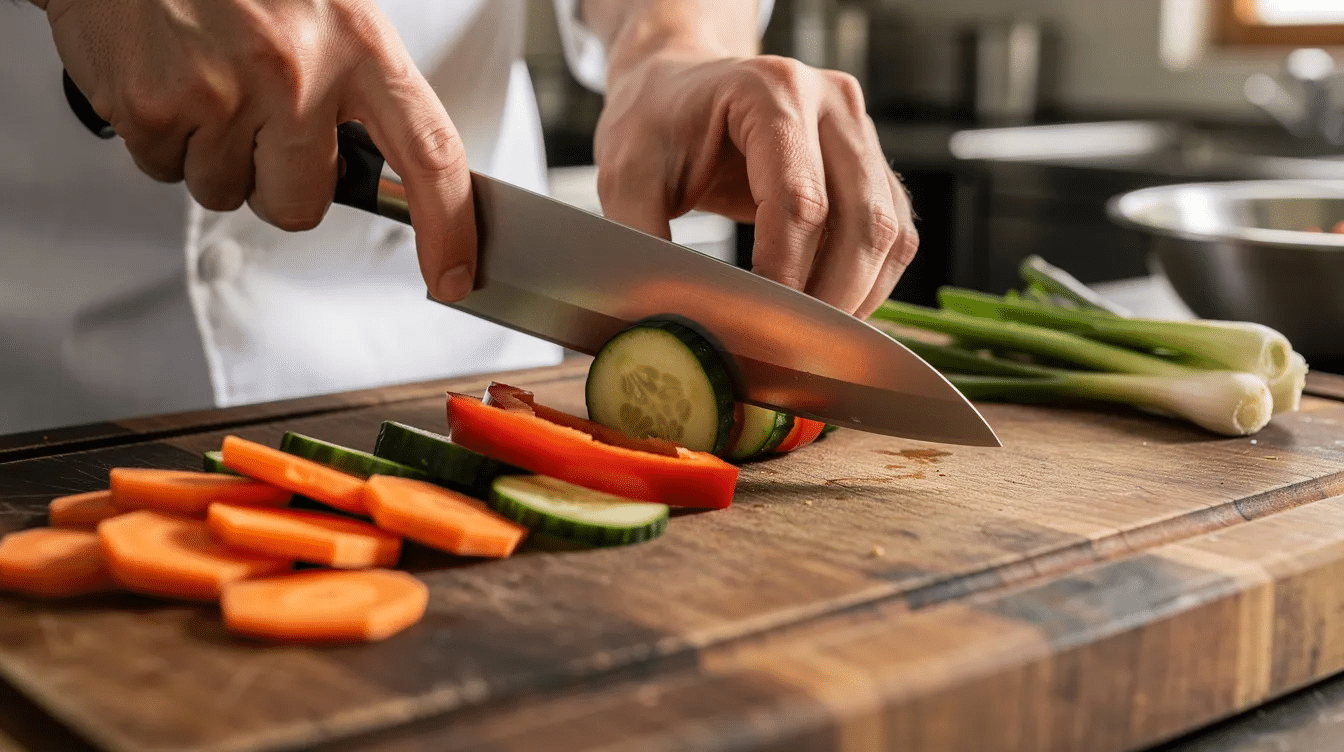
Performance-wise, this Santoku combines traits of traditional Japanese Nakiri and Western Gyuto designs. The blade excels at push-cutting through vegetables, slicing boneless meats and fish, and general chopping tasks. The balance and comfort make it ideal for extended prep sessions without fatigue.
Real-world validation matters: this model typically carries ratings around 4.2 out of 5 stars from approximately 477 reviews on major retailers. Buyers consistently praise sharpness, handle comfort, and overall value—earning it strong marks approaching 5 stars from many satisfied customers.
MIYABI Kaizen & Kaizen II: Japanese Precision with Henckels Engineering
MIYABI represents Zwilling’s dedicated Japanese knife brand, manufactured entirely in Seki and blending German engineering standards with traditional Japanese hand-finishing techniques. The Kaizen and Kaizen II series exemplify this fusion approach.
Steel and construction: These blades feature a VG10 super steel core achieving approximately 60 Rockwell hardness—substantially harder steel than typical Western kitchen knives (55-58 HRC). The 64-layer Damascus cladding creates distinctive aesthetic patterns while providing corrosion resistance. This german steel innovation combined with Japanese material science delivers exceptional durability.
Edge geometry: The Honzabuke hand-honed edge achieves approximately 9.5°-12° per side, dramatically sharper than typical Western angles around 15°-20°. This geometry enables precision cuts that minimize cell damage in delicate ingredients—particularly valuable for Japanese cuisine and professional plating.
Handle design: Western-style POM or composite handles with ergonomic shaping provide comfort during long prep sessions. Some designs bear association with Chef Masaharu Morimoto, reflecting the brand’s commitment to fusing Japanese precision with Western ergonomics.
These knives are handcrafted in Japan and positioned as premium options for cooks wanting authentic Japanese cutting feel without abandoning familiar handle shapes. The company stands behind the quality with rigorous factory standards.
Zwilling Tanrei & Kramer by Zwilling: High-End Japanese-Made Lines
Tanrei and Kramer by Zwilling represent the company’s top-tier Japanese-made offerings, aimed at enthusiasts and professionals seeking maximum cutting performance and distinctive craftsmanship.
Tanrei features FC63 steel cores with very high hardness, Damascus cladding, and curved demi-bolsters complemented by German-style Micarta handles. The construction emphasizes thin Japanese-style geometry with a hybrid German-Japanese feel that appeals to cooks comfortable with both traditions.
Kramer by Zwilling knives are produced in Seki at the same factory as MIYABI, using premium Japanese steels with high hardness ratings. The tall blades with distinctive bulbous handles provide excellent knuckle clearance and fine control—essential features for professional cutting techniques.
Specific series include Kramer Damascus, Cumulus, Carbon 2.0, and Maiji, each offering unique looks and extreme edge retention for collectors and pros. These products in this collection represent serious investments in cutlery.
Price positioning: These lines cost significantly more money than Henckels Classic or Gourmet options but deliver artisanal performance and finish that justify the purchase for serious users. The brand positions them as heirloom-quality tools.
Henckels Japanese Knife vs German & Value Lines
Understanding the differences between Japanese-made Henckels/Zwilling knives and their German or value-line counterparts helps you make informed buying decisions based on your actual needs.
Steel hardness: Japanese lines (MIYABI, Tanrei, Kramer Japanese) typically achieve 60-63 HRC versus approximately 57 HRC for German Zwilling and even lower hardness for value-line Henckels. Harder steel maintains edge retention longer but becomes more brittle—a trade-off requiring appropriate cutting techniques.
Blade geometry: Japanese grinds run thinner with lower edge angles, creating laser-like cutting performance ideal for precision work. German profiles use thicker metal built for durability and rocking cuts common in Western kitchens. The feel differs dramatically—Japanese blades glide through ingredients while German blades power through with less finesse.
Origin and construction: Seki, Japan manufacturing involves heavy hand-finishing by skilled artisans. Many Chinese-made Henckels value knives use automated, high-volume production methods. The zwilling pro line from Germany falls somewhere between, combining handcraft elements with industrial precision.
Target users: Japanese knives reward experienced cooks who prioritize sharpness, technique, and proper maintenance. German and value lines suit beginners, busy home cooks, and anyone wanting low-maintenance tools that forgive rough handling.
How to Choose the Right Henckels Japanese Knife for Your Kitchen
Selecting the right Henckels Japanese knife depends on your skill level, budget, cooking style, and willingness to learn proper care techniques.
For beginners or budget-conscious cooks: Start with entry-level options like the Henckels Classic 7” Hollow Edge Santoku or HI Style Elite Santoku 7.1”. These knives deliver Japanese profiles at accessible prices, letting you experience the ease of thinner blades without significant financial risk.
For intermediate home cooks: Consider stepping up to MIYABI Kaizen or Kaizen II if you’re comfortable with gentle cutting techniques and proper maintenance. The harder steel and sharper edges noticeably improve cutting performance—you’ll feel the difference immediately when slicing through garlic or herbs.
For professionals and enthusiasts: Tanrei or Kramer by Zwilling series deliver maximum edge retention and cutting performance. These knives reward good sharpening habits and refined technique with exceptional longevity.
Quick decision tips:
- Consider blade length: 7” Santoku for versatility, 8-9” Gyuto for larger cutting tasks
- Evaluate handle style preferences before purchase
- Assess your maintenance commitment honestly—harder steel requires more care
- Match your primary cooking tasks (vegetables/chopping vs. proteins/slicing) to knife design
Care & Maintenance for Japanese Henckels Knives
Harder Japanese blades demand more mindful care than softer Western knives. Proper maintenance protects your investment and ensures years of reliable performance.
Basic care protocol: Handwash only with mild soap, dry immediately with a soft cloth, and avoid dishwashers—even models like the HI Style Elite labeled dishwasher safe deteriorate faster with machine washing. The heat and harsh detergents damage edges and handles over time.
Cutting technique matters: Use wood or soft plastic boards exclusively. Glass, stone, and ceramic surfaces chip thin Japanese edges quickly. Avoid twisting through hard items like squash or prying bones—these lateral forces can crack brittle harder steel. Emphasize push-cutting and draw-cutting rather than heavy chopping on dense foods.
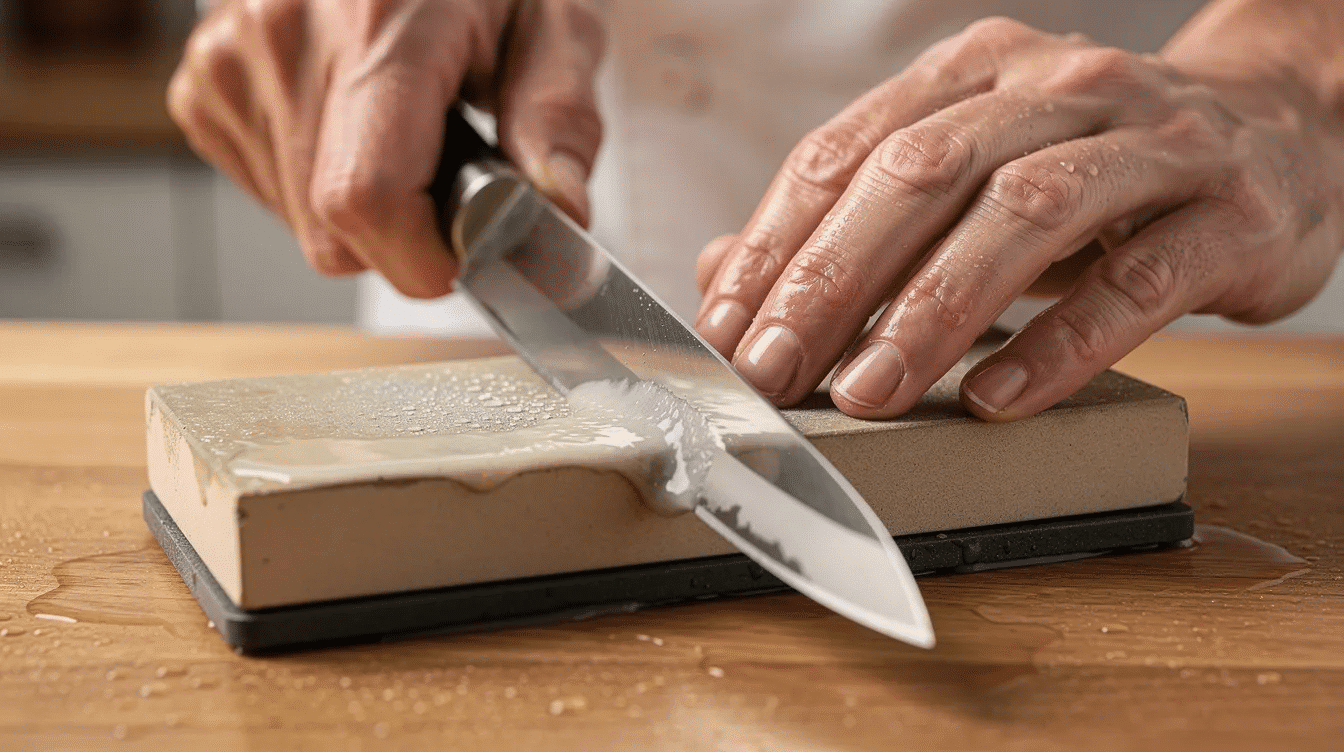
Sharpening guidance: Regular honing with a ceramic rod maintains the edge between sharpenings. Periodic whetstone work restores true sharpness—Honzabuke edges and high-HRC blades respond best to water stones rather than pull-through sharpeners. Learn to sharpen yourself or find a professional who understands Japanese blade geometry.
Storage solutions: Magnetic strips, in-drawer blocks, or individual blade guards protect thin edges from contact damage. Never toss Japanese knives loose in drawers with other items.
Where to Buy Henckels Japanese Knives & What to Check Before Purchase
Henckels and Zwilling Japanese knives are widely available online and through specialty kitchen stores. Finding authentic products requires attention to detail during your shopping process.
Retailer selection: Purchase from authorized dealers to ensure warranty coverage and authenticity. Large marketplaces, specialty cutlery shops, and the brand’s own online store all carry legitimate inventory. Watch for gray-market products sold at suspiciously low prices—these may lack warranty protection.
Verify product details: Confirm country of origin by looking for “Made in Japan” or “Seki, Gifu Prefecture” labeling. Check blade length in both inches and millimeters, steel type, handle material, and edge style (hollow ground versus plain). Model numbers help ensure you’re getting exactly what you researched.
Review analysis: Look for products with substantial review counts—400+ reviews with 4-star or higher averages indicate consistent quality. Read critical reviews specifically, watching for recurring issues like chipping, handle discomfort, or inconsistent sharpness that might affect your purchase decision.
Promotional opportunities: Watch for percentage discounts on Japanese knife lines, bundled offers with complementary items shipped together, and limited-time sale events—particularly during major shopping seasons. These promotions can make premium options more accessible without sacrificing quality.
Start with an entry-level Santoku to experience Japanese cutting precision firsthand, then explore premium lines as your skills and appreciation develop. The right Henckels Japanese knife, properly maintained, becomes a trusted kitchen companion for years of reliable service.
