If you’ve ever struggled to break down a whole fish using a thin, wobbly Western blade, you already know something feels off. For whole fish with head and bones intact, the best Japanese knife for filleting fish isn’t a flexible fillet knife at all—it’s the Deba, a thick-spined, single bevel powerhouse built specifically for this messy business. The bit, or blade thickness, of the Deba plays a crucial role in its performance, allowing it to cut cleanly through both dense bones and soft flesh, which enhances handling and efficiency when filleting fish.
- Introduction to Fillet Knives
- Quick Answer: The Best Japanese Knife for Filleting Fish Right Now
- Japanese Fish Knives 101: Deba vs Western Fillet Knives
- Heavy Duty Fillet Knives: When You Need Extra Power
- Our Top Picks: Best Japanese Knives for Filleting Fish
- How We Evaluated Japanese Knives for Filleting Fish
- Deba vs Flexible Fillet Knife: Which Should You Use and When?
- How to Use a Deba Knife to Fillet a Whole Fish (Step-by-Step)
- Filleting Large Fish: Techniques and Knife Choices
- Filleting Small Fish: Precision and Control
- Advanced Filleting Techniques for Japanese Knives
- Choosing the Right Japanese Knife for Your Fish and Skill Level
- Handle, Grip, and Comfort When Filleting Slippery Fish
- Carbon Steel vs Stainless Steel for Japanese Fish Knives
- Knife Maintenance and Storage for Japanese Fish Knives
- Frequently Asked Questions About Japanese Fish Knives
Introduction to Fillet Knives
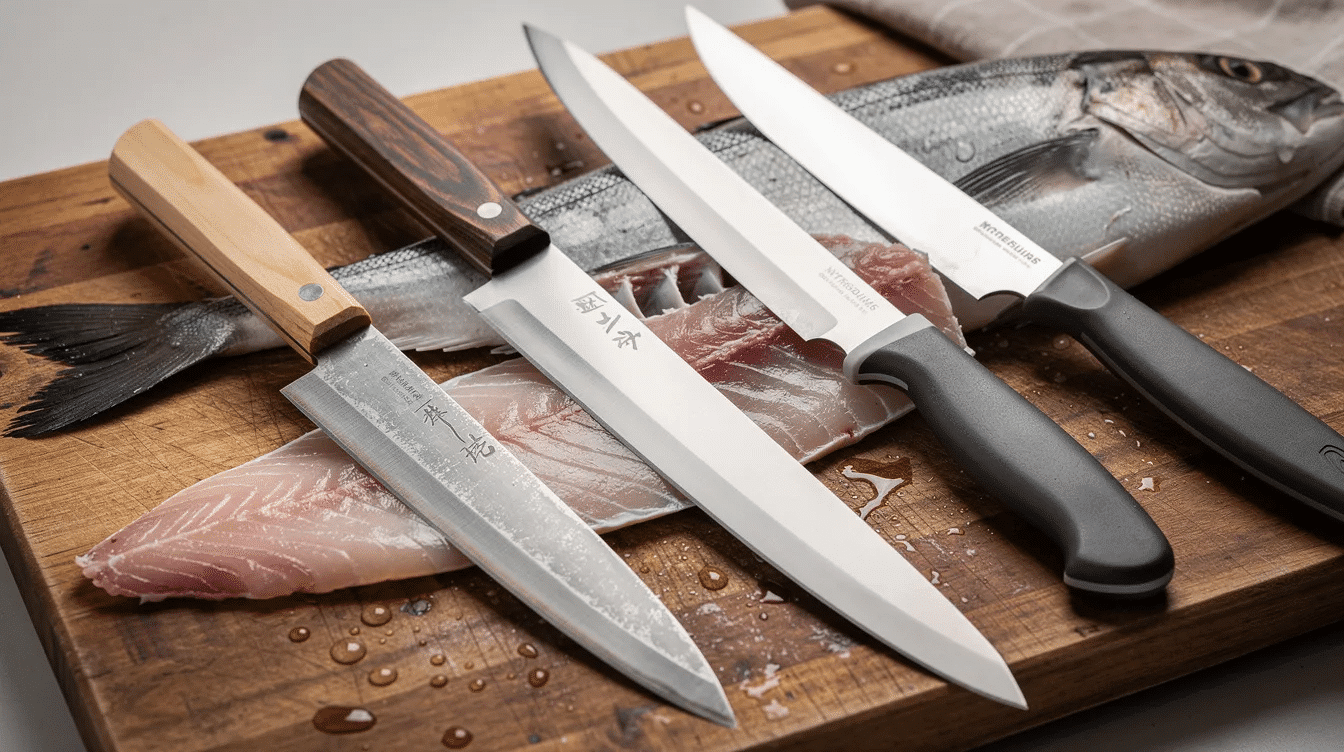
Fillet knives are an essential tool for anyone serious about filleting fish, whether you’re prepping your latest catch at home or working in a professional kitchen. The right fillet knife makes all the difference: it should have a razor-sharp edge, a comfortable handle, and a flexible blade that can glide effortlessly along the bones and through the delicate flesh of fish. When filleting fish, a sharp knife is crucial—not only does it make precise cuts, but it also helps you avoid waste by leaving more meat on the fillet and less on the bone.
There are several types of fillet knives to consider. Traditional Japanese deba knives are known for their thick, single-bevel blades and robust construction, making them ideal for breaking down whole fish and cutting through small bones. Carbon steel knives are prized for their ability to take an incredibly sharp edge and maintain it through multiple filleting sessions, though they require more maintenance to prevent rust. Stainless steel knives, on the other hand, offer excellent corrosion resistance and are easier to care for, making them a popular choice for those who want a sharp knife with less upkeep.
Flexible fillet knives, often found in Western kitchens, feature a thinner, more pliable blade that excels at tracing the contours of fish and removing skin. Each style has its strengths: deba knives and carbon steel blades are perfect for heavy-duty tasks and precise butchery, while stainless steel and flexible blades shine in quick, everyday filleting. Ultimately, the best knife for filleting fish is the one that matches your technique, the type of fish you handle, and your willingness to maintain the blade’s sharpness and integrity.
Quick Answer: The Best Japanese Knife for Filleting Fish Right Now
When you’re standing over a 2-3 kg salmon fresh from ice, scales glistening and bones waiting, the right tool makes all the difference. For Japanese-style fish butchery—head removal, spine separation, and clean three-piece filleting—the Deba knife outperforms Western flexible fillet knives every time.
Here are three standout models worth your attention:
- Kai Seki Magoroku Kinju ST Deba 150mm – A hybrid stainless steel blade that’s forgiving, corrosion-resistant, and ideal for beginners or home cooks processing medium fish like trout, snapper, or mackerel. The Western-style handle feels familiar if you’re transitioning from global cutlery.
- Sakai Takayuki Kasumitogi Deba 150-165mm – White carbon steel core with exceptional sharpness and a rough octagonal wa-handle that grips securely even when slick with fish slime. Built for intermediate users willing to maintain a carbon steel blade.
- Tojiro Shirogami Deba 180mm – A heavy duty option with a 7mm spine thickness and approximately 10 ounces of weight. This is the knife for larger fish like 24-inch bluefish, striped bass, or big Chinook salmon, and it’s designed for experienced filletters who understand how to work carbon steel.
Each of these knives offers excellent balance and sharpness right out of the box, making them immediately effective for filleting fish without any need for adjustments.
Why the Deba format wins for whole fish:
- The thick spine provides the necessary strength to chop through fish heads, collars, and small bones without compromising the sharp edge
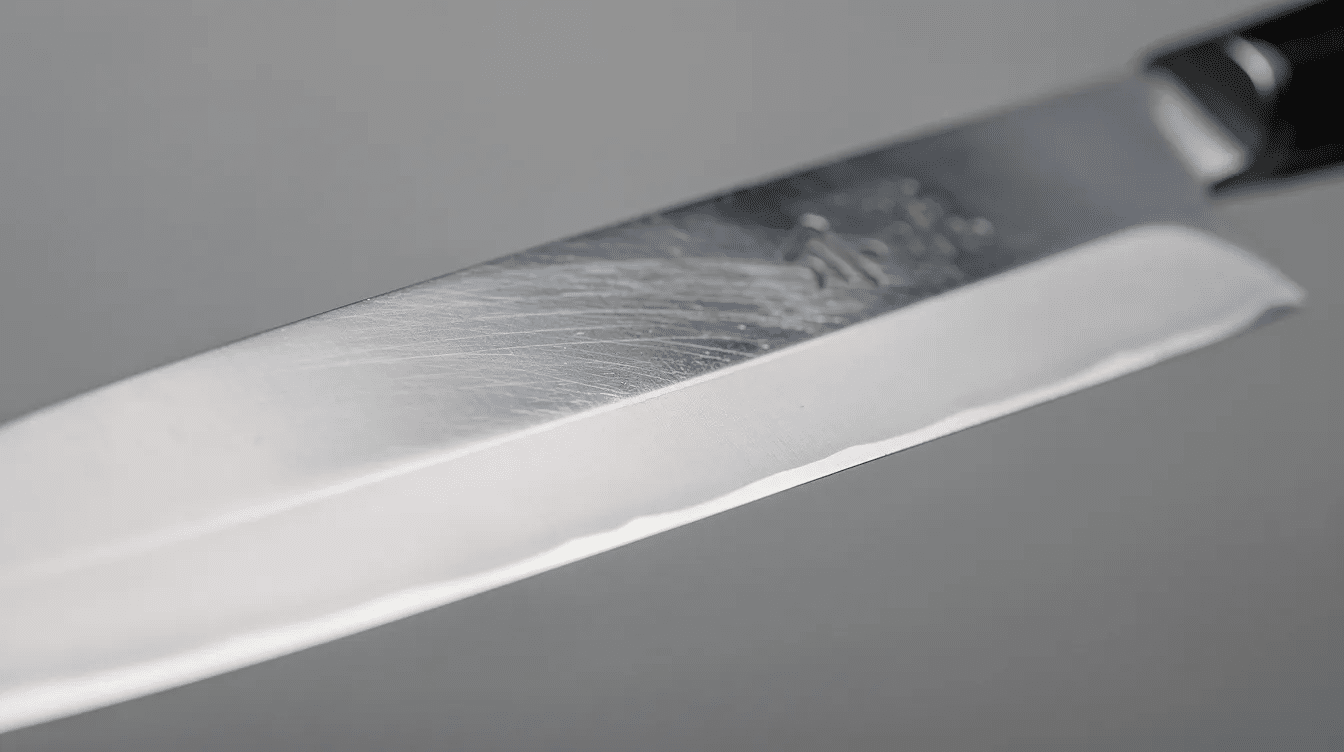
- Single bevel geometry creates a razor-like cutting surface that glides through flesh while the flat back rides cleanly along bones
- The weight of the blade does the work—you guide, it cuts
- Designed for the san-mai oroshi technique that separates fish into two loins and a belly flap for maximum yield
Japanese Fish Knives 101: Deba vs Western Fillet Knives
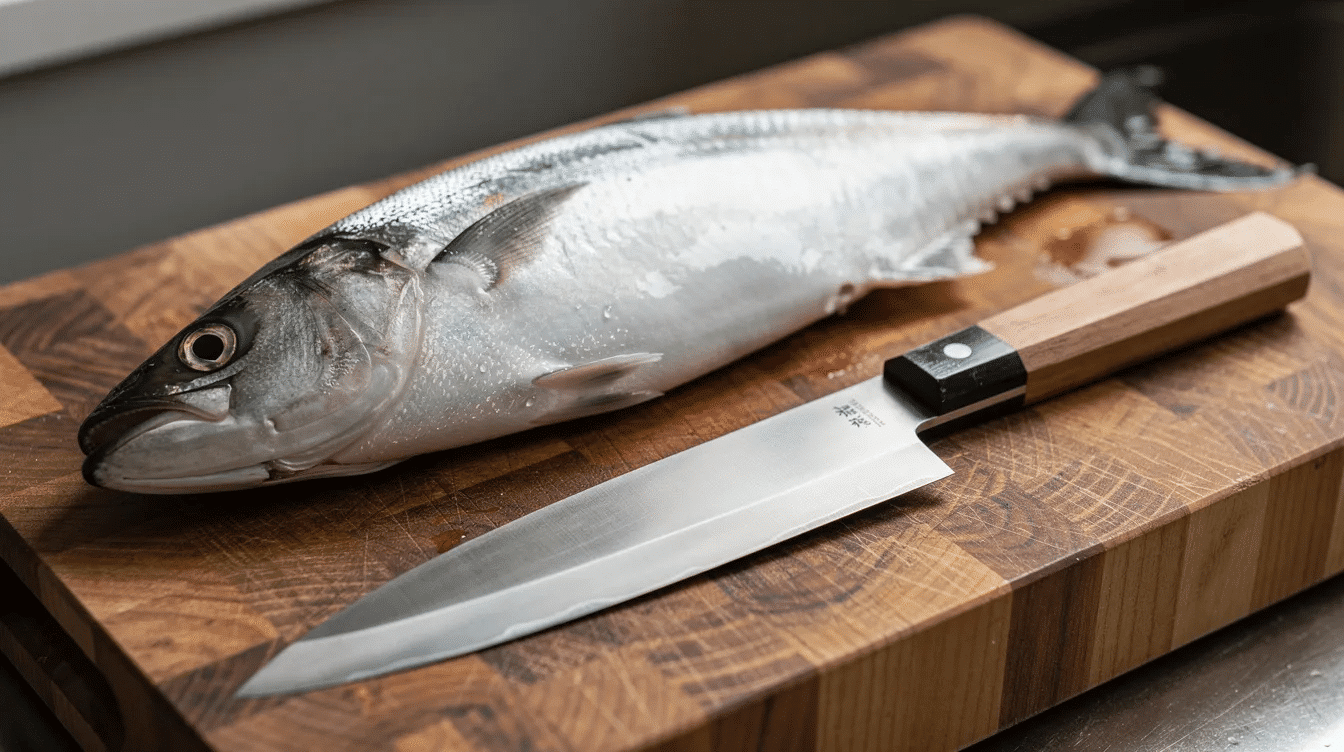
Japanese fish prep operates on fundamentally different principles than Western methods. Where Western flexible fillet knives are designed to trace contours and skin already-gutted fish, Japanese fishing knives, including the Deba and others, are specifically designed for fish processing and are favored by both anglers and chefs for their specialized features. These knives tackle the whole fish from head to tail in a specific sequence.
What defines a Deba:
- Short, thick, heavy blade typically ranging from 150mm to 240mm
- Single bevel edge, usually ground for right-handed users (left handed versions exist but must be specifically purchased)
- Thick spine (often 6-7mm at the heel) that handles impact without deflection
- Designed for breaking down whole fish: head removal, gutting, spine separation, fin clipping, and portioning
What defines Western fillet and boning knives:
- Long, narrow, flexible blade (often 6 to 9 inches)
- Thin construction (1-2mm) that bends to follow bone contours
- Double bevel edge suited for skinning and fine trimming
- Excellent for processing already-headless, gutted fish—but falters when tasked with high-impact jobs like head removal on a 2-3 kg salmon
Other Japanese fish knives you’ll encounter:
- Yanagiba (240-300mm) – A long sashimi slicer for one-stroke cuts that minimize cellular damage, preserving translucency in raw fish. Used after filleting, not during breakdown.
- Ajikiri or Ko-Deba (105-120mm) – A scaled-down Deba for small fish like sardines, smelt, or mackerel under 25cm. Less blade mass prevents tearing delicate flesh.
Typical Japanese workflow for a 2-3 kg salmon or yellowtail:
- Deba handles initial disassembly: severing head at collar, gutting, and filleting along the dorsal spine
- Yanagiba or Gyuto-style chef’s knife takes over for portioning and sashimi cuts
- The transition between knives maximizes both efficiency and presentation quality
Heavy Duty Fillet Knives: When You Need Extra Power
When it comes to filleting larger fish like salmon, tuna, or big striped bass, a standard fillet knife might not be up to the task. This is where heavy duty fillet knives come into play. These knives are engineered with a thick spine and a robust, sharp edge—often single-beveled—to provide the extra power needed to cut through small bones and dense flesh without flexing or losing control.
Heavy duty fillet knives are typically crafted from high-carbon steel or premium stainless steel, combining sharpness with exceptional durability. The thick spine adds strength, allowing you to make clean, confident cuts through the toughest parts of the fish, such as the collar and backbone. While these knives are often more expensive than their lighter counterparts, their performance and longevity make them a favorite among commercial filleters and professional chefs who regularly process larger fish.
If you frequently work with big catches, investing in a heavy duty fillet knife ensures you have the right tool for the job. The combination of a sharp, resilient blade and a sturdy handle means you can tackle even the most challenging filleting tasks with confidence, preserving the quality of the flesh and minimizing waste.
Our Top Picks: Best Japanese Knives for Filleting Fish
The following picks cover the range from small coastal species to serious offshore catches. Each knife earns its place based on real-world performance on fish you’re likely to actually process. If you’re looking for a multi purpose knife, the Deba stands out for its versatility in filleting, boning, and trimming, making it an all-in-one tool for both professional and home cooks.
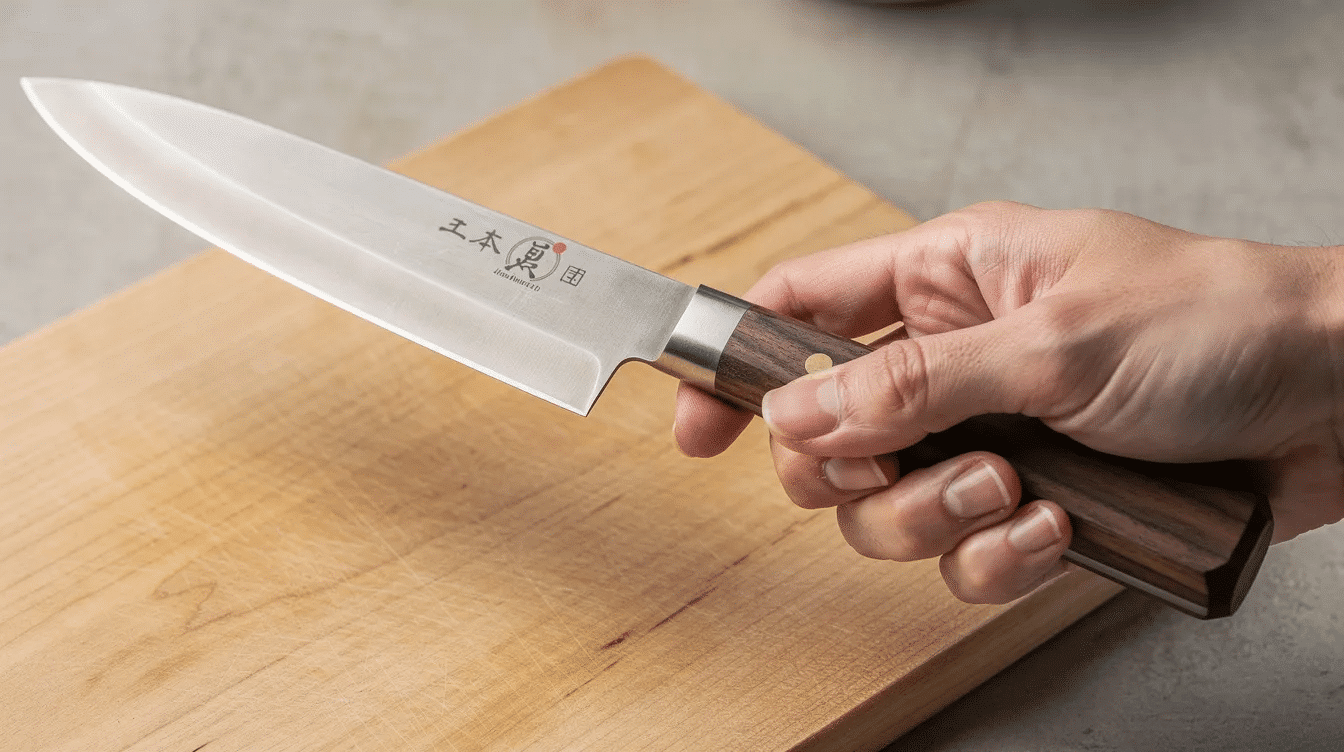
The Deba knife is a thick, heavy Japanese knife designed for breaking down whole fish, capable of cutting through bones and fins, making it a versatile tool for fishmongery.
After the Ajikiri or Ko-Deba, consider the Funayuki—a versatile, thinner knife used for filleting and cleaning smaller fish, especially if you’re building out a small set of essential Japanese knife types.
For those needing a slicer, the Sujihiki is a double-bevel slicer suitable for general slicing and trimming boneless fillets.
Kai Seki Magoroku Kinju ST Deba 150mm
- Who it’s for: Beginners, home cooks, and anyone who wants a low-maintenance entry point
- Blade material: Hybrid AUS-8 or similar molybdenum vanadium stainless steel at around 58-59 HRC—corrosion-resistant and forgiving to sharpen
- Price tier: Budget to mid-range
- Best for: Medium fish (30-50cm) like snapper, trout, or mackerel
- Handle: Western-style grip that feels familiar but lacks the anti-slip texture of traditional wa-handles
- Weight: Under 6 ounces, making it maneuverable without overwhelming novices
Sakai Takayuki Kasumitogi Deba 150-165mm
- Who it’s for: Intermediate cooks ready to embrace carbon steel knives and their maintenance demands
- Blade material: White carbon steel (Shirogami #1 or #2) core clad in softer iron, achieving 60-61 HRC for exceptional sharpness
- Price tier: Mid-range
- Best for: Sea bass, yellowtail, and fish up to 1.5-2kg
- Handle: Rough octagonal wa-handle from magnolia or ho wood that actually grips better when damp
- Note: Requires diligent drying after each use to prevent patina turning to rust in humid kitchens
Tojiro Shirogami Deba 180mm
- Who it’s for: Experienced filletters tackling larger specimens
- Blade material: Shirogami carbon steel at 60+ HRC, laminated for durability
- Price tier: Higher-end
- Best for: Large fish over 60cm—24-inch bluefish, striped bass, Chinook salmon
- Handle: Traditional D-shaped wa-handle that prevents rotation during wet, forceful strokes
- Key feature: 7mm spine thickness at heel provides momentum for bone-crushing cuts; approximately 10 ounces of heft
Ajikiri or Ko-Deba 105-120mm
- Who it’s for: Coastal anglers processing small fish
- Blade material: Varies by maker; both carbon and stainless options exist
- Price tier: Budget to mid-range
- Best for: Sardines, smelt, small mackerel under 25cm
- Advantage: Scaled-down proportions prevent excess blade mass from tearing fragile flesh on delicate bodies
Bottom line: Most readers should start with a 150-165mm Deba in stainless or hybrid steel. It handles the widest range of fish sizes you’ll realistically encounter while being forgiving enough to learn proper technique without catastrophic edge damage.
How We Evaluated Japanese Knives for Filleting Fish
Our evaluation focused on realistic home and enthusiast use: breaking down whole fish between 1-4 kg, not just delicate sashimi slicing in a temperature-controlled professional kitchen.
Testing conditions and fish:
- 2 kg whole Chinook salmon straight from ice—slippery scales, cold flesh contracting around bones
- 1.5 kg yellowtail for general filleting performance
- 30 cm mackerel for mid-size technique
- Small sardines to test precision on delicate bodies
- Both head removal and fine trimming tested in cold, slippery conditions typical of real filleting
Both home and professional cooks benefit from using the right Japanese knife for efficient fish preparation, as a skilled cook can utilize tools like the Deba, Yanagiba, or high-performance Takamura knives for multiple tasks in the kitchen.
Performance factors we measured:
- Ability to remove head and collar cleanly without excessive force or blade deflection
- Control when following the spine and rib bones—how well the single bevel geometry hugs the skeleton
- Fillet yield efficiency (targeting 40-50% meat by weight on average salmon)
- Comfort and wet-grip security when hands and handles are slick
- Cleanliness of fillets: minimal ragged flesh, fewer bone fragments
Durability and maintenance considerations:
- Susceptibility to edge chipping when contacting collar bones
- Ease of resharpening on 1000-3000 grit waterstones while preserving single-bevel asymmetry
- Tendency to rust or develop patina during normal usage and quick wipe-downs
Deba vs Flexible Fillet Knife: Which Should You Use and When?
Many anglers and home cooks already own a Western flexible blade—perhaps a Rapala or similar fishing knife—and wonder whether they actually need a Japanese deba knife. The answer depends entirely on what you’re cutting.
When the Deba is the better tool:
- Breaking down whole fish with head and spine intact (e.g., 3 kg salmon, whole bluefish)
- Cutting through fish heads, collars, and small to medium bones without ruining the sharp edge
- Preparing Japanese-style three-piece fillets (san-mai oroshi) for grilling, simmering, or sashimi
- Any situation requiring committed, momentum-driven cuts through resistance
When a Western flexible fillet knife still excels:
- Skinning fillets, especially thin-skinned fish like trout and panfish
- Trimming pin bones after initial breakdown
- Processing already-headless and gutted supermarket fillets where flexibility matters more than force
- Following tight contours on smaller or oddly-shaped fish
Key design differences:
- Deba: Short (150-180mm typical), heavy, thick spine (often 6-7mm at heel), single bevel for one side only, designed for right-handed users by default. For carving larger cuts or handling tougher pieces of meat or fish, a knife with a secure grip and robust construction is essential to maintain control and safety.
- Western fillet: Thin (1-2mm), flexible blade that bends 3-5 inches, double bevel with 25-35 degree edge angle, usually stainless steel for corrosion resistance
The hybrid approach most pros use:
- Use the Deba to break down the fish cleanly—head removal, gutting, initial filleting along the spine
- Switch to a flexible fillet or petty knife for ultra-fine trimming and skin removal if desired
- This workflow maximizes yield: Deba extracts roughly 60% usable fillet versus 45% with a flexible blade alone on larger fish like bluefish
How to Use a Deba Knife to Fillet a Whole Fish (Step-by-Step)
This walkthrough covers a typical Japanese-style filleting process using a Deba on a medium fish like a 2 kg yellowtail or Chinook salmon, adapted for right-handed users. The technique emphasizes letting the knife’s weight work for you rather than forcing cuts.
Initial setup:
- Set up a stable cutting board with a rubber grip or damp towel underneath to prevent slipping
- Dry the fish surface with paper towels—wet scales make everything harder
- Confirm your Deba is sharp; a super sharp knife requires less force and gives cleaner results
Head removal:
- Make incisions just behind the gills on both sides, angling the blade at roughly 45 degrees toward the head to expose the collar
- Use the thick part of the blade (heel) and spine to sever the head cleanly at the collar bone
- Let the weight of the knife and committed, straight-line cuts do the work—avoid twisting against the bone
Gutting:
- Open the belly from the anal vent toward the head area with a controlled cut
- Remove guts carefully, keeping the blade angle shallow to avoid puncturing organs
- Rinse and dry the cavity quickly; avoid soaking the fish and knife in water
Filleting the first side:
- With the spine facing you, start the cut along the dorsal spine from the head end
- Ride the bones with the back of the blade, letting gravity assist as you pivot around the rib cage
- Gently separate flesh from rib bones using the weight of the Deba—don’t saw or force
Filleting the second side:
- Once the top fillet is free, flip the fish to work on the other side.
- Repeat the process from tail to head to get the second fillet.
- The flat back of the single bevel edge should glide along the bones for minimal meat waste. Using a single-bevel edge enhances the knife’s ability to glide along the bone without damaging the flesh.
Finishing:
- Trim off fins and excess bone fragments using the tip for precision cuts
- Check for missed pin bones along the centerline of each fillet
- Process the collar and belly flap separately if desired—these are prized cuts in Japanese cuisine
Safety and technique notes:
- Maintain a firm pinch grip on the handle; octagonal wa-handles help prevent rotation
- Never twist the blade against hard bones—this chips carbon steel edges; use straight, committed strokes instead
- Keep your free hand positioned safely behind the cutting line at all times
Filleting Large Fish: Techniques and Knife Choices
Filleting large fish is a rewarding but demanding process that requires both skill and the right equipment. The key factors to consider when choosing a knife for this job are blade length, spine thickness, and overall balance. A longer blade—typically 165mm to 180mm—gives you the reach needed to make smooth, continuous cuts along the length of the fish, while a thicker spine provides the strength to separate flesh from bone without flexing or chipping.
Look for a knife with a sharp, single-beveled edge, as this design allows for precise, clean cuts and helps the blade glide along the bones with minimal resistance. The handle should feel comfortable and secure in your hand, especially when working with slippery fish. Durability is also crucial; a well-made knife crafted from high-quality carbon steel or stainless steel will withstand repeated use and maintain its sharpness over time.
When filleting large fish, technique matters just as much as the knife itself. Use the weight of the blade to your advantage, letting it do the work as you guide it along the spine and rib bones. A properly chosen knife not only makes the process more efficient but also helps you achieve higher fillet yields and cleaner results, making every catch count.
Filleting Small Fish: Precision and Control
Filleting small fish like sardines, smelt, or small mackerel demands a different approach than working with larger species. Here, precision and control are paramount. The ideal knife for this task features a shorter blade—often in the 105mm to 120mm range—with a fine, super sharp edge that allows you to make delicate cuts without tearing the fragile flesh.
A lightweight knife with a narrow profile helps you navigate around tiny bones and separate fillets cleanly, preserving as much meat as possible. The handle should offer a secure grip, even when your hands are wet or covered in fish slime, so you can maintain steady control throughout the process.
Using the right knife for small fish not only improves your efficiency but also enhances the quality of your fillets. With a precise, sharp blade, you can make quick work of even the most delicate fish, ensuring that every fillet is clean, intact, and ready for the pan or plate.
Advanced Filleting Techniques for Japanese Knives
Once you’ve mastered the basics of filleting fish with a Japanese knife, you can take your skills to the next level with advanced techniques that maximize yield and presentation. One of the hallmarks of Japanese fish butchery is the use of the single-bevel edge, which allows for incredibly precise cuts and minimal meat waste. Learning to use the weight and balance of the deba knife is key—let the blade’s heft do the work, especially when separating the head or collar from the body.
For more refined filleting, practice riding the flat back of the blade along the bones, using gentle, controlled strokes to separate flesh without damaging the structure of the fillet. Advanced users often employ specialized cuts, such as removing the belly flap or collar in a single motion, or portioning fillets for sashimi with a yanagiba or other long, slender knife.
Sharpening technique also becomes more important at this level. Maintaining the correct angle on a waterstone preserves the unique geometry of your Japanese knife, ensuring a super sharp edge that glides through fish with ease. With practice, these advanced methods will help you achieve restaurant-quality results at home, making the most of every catch and every cut.
Choosing the Right Japanese Knife for Your Fish and Skill Level
The ideal Deba size and material depend on both the fish you handle most often and your comfort with sharpening methods and maintenance routines.
By experience level:
- Beginners: 150-165mm hybrid or stainless steel Deba (like Kai Seki Magoroku Kinju ST) with softer steel around 58-59 HRC that’s less chip-prone and easier to maintain
- Intermediate: 150-180mm white or blue carbon steel Deba (e.g., Sakai Takayuki) for those willing to learn basic waterstone sharpening and can handle rust prevention
- Advanced / professionals: 180mm carbon Deba (e.g., Tojiro Shirogami) with heavier weight; left handed single-bevel models available for southpaws
By fish size and species:
- Small fish (sardines, smelt, small mackerel under 25cm): 105-120mm Ajikiri or Ko-Deba prevents crushing delicate bodies
- Medium fish (30-50cm snapper, sea bass, trout): 150-165mm Deba hits the sweet spot for balance and control
- Larger fish (over 60cm: big salmon, bluefish, kingfish): 165-180mm Deba with thicker spine and more weight overcomes resistance
Blade length considerations:
- Longer blade length adds reach and momentum but requires more technique to control
- A 150mm blade handles 90% of home filleting needs
- Only size up if you regularly process fish over 60cm
Handle and grip implications:
- Rough ho wood or magnolia wa-handles grip better when wet—counterintuitive but true
- Western-style handles feel familiar but can become slippery if the surface is too smooth
- D-shaped handles aid torque control during heavy cutting
Handle, Grip, and Comfort When Filleting Slippery Fish
Filleting fish is inherently messy business. Your hands will be wet, scales will stick to everything, and fish slime makes grip security as important as blade quality for both safety and control.
Key handle traits to prioritize:
- Slightly rough or unfinished wood (magnolia, ho wood) that becomes grippier when damp
- Octagonal or D-shaped wa-handles that prevent rotation in the hand during forceful cuts
- Enough handle thickness to allow a firm grip without fatigue over multiple fish
Concrete examples from our testing:
- Rough wood handles on Sakai Takayuki and Tojiro Deba feel secure even when covered in fish slime
- Highly polished plastic handles on some budget variants become slippery and harder to control under load
- Tapered handles (common on traditional Japanese knives) improve pinch grip near the blade
Ergonomic factors that matter:
- Balance point near the bolster/heel helps control heavy blades during precise cuts
- Weight distribution affects fatigue over 10-fish sessions—a well-balanced knife feels lighter than its actual weight
- Handle shape affects how naturally the blade angle matches your wrist position
Safety reminders:
- Dry the handle lightly between fish if it becomes excessively slick
- Never use a knife if you can’t maintain a solid grip—safety takes precedence over speed
- A sharp knife with good grip is far safer than a dull one that requires excessive force
Carbon Steel vs Stainless Steel for Japanese Fish Knives
The classic Japanese Deba is carbon steel, prized for its ability to take and hold a razor-sharp edge. But modern options in stainless steel or semi-stainless alloys significantly reduce maintenance demands—and that tradeoff matters depending on your life and fishing habits.
Carbon steel Deba (e.g., Tojiro Shirogami, Sakai Takayuki Kasumitogi):
- Extremely sharp edge potential at 60-65 HRC; edge retention 2-3x longer than stainless on fish scales
- Reacts with moisture and fish proteins, forming a protective patina over time
- Can rust aggressively if neglected—experts note 10-20% edge loss if left wet overnight
- More brittle: can chip if twisted into hard bone or used on frozen fish
- Best for users who already sharpen on waterstones or want to learn the craft
Stainless / hybrid Deba (e.g., Kai Seki Magoroku Kinju ST):
- More corrosion-resistant—resists pitting from saltwater 90% better than carbon
- Slightly less ultimate sharpness and retention, but still excellent for home use
- More forgiving to minor technique mistakes and less likely to chip on small bones
- Ideal for boat decks, outdoor fish cleaning, or anyone who doesn’t want to baby the blade
- Easier for beginners and occasional users
Semi-stainless and proprietary blends:
- Many Japanese makers use high-chromium steels to balance hardness and rust resistance
- You don’t need to memorize steel codes; choose based on maintenance time and environment
- Saltwater anglers should lean stainless unless committed to immediate rinse discipline
The practical question: How much time will you realistically spend on maintenance? If the answer is “minimal,” stainless is the right choice. If you enjoy the ritual of sharpening and caring for a tool, carbon rewards that investment with superior sharpness.
Knife Maintenance and Storage for Japanese Fish Knives
Proper maintenance preserves sharpness, prevents rust, and keeps fish flavor clean. A neglected knife develops off-metallic tastes and lingering odors that transfer to your catch.
Cleaning routine:
- Rinse off scales and protein immediately after use with lukewarm water
- Never soak wooden handles or carbon steel blades—quick wipe-downs only
- Avoid dish soap with harsh chemicals; mild soap is fine but not necessary if you rinse promptly
- Dry thoroughly with a clean cloth, especially around the ferrule and spine where moisture hides
- Knives should always be hand washed; dishwashers destroy edges and handles
Sharpening and edge care:
- Touch up regularly on waterstones (1000-grit for shaping, 3000-grit for polishing) using single-bevel technique
- Beginners should start with light, frequent maintenance rather than waiting until the blade is dull
- Never use pull-through sharpeners—they ruin 30% of kataba (single-bevel) edges by symmetrizing the grind
- Learn to maintain the factory angle (typically 15-20 degrees on the beveled side)
Rust prevention for carbon steel:
- Wipe with food-safe mineral oil (camellia oil is traditional) if storing for more than a few days
- A developing patina is normal and protective; rust is not
- Immediate rinsing after saltwater exposure prevents flash rust
Storage best practices:
- Use sayas (wooden sheaths) or blade guards when transporting to the dock or fish-cleaning station
- Never toss knives loosely in drawers—edge damage and safety risks multiply
- Magnetic strips, knife blocks, or dedicated cases all work; the key is keeping edges protected
- Store completely dry, away from wet tackle or damp environments
Frequently Asked Questions About Japanese Fish Knives
- What exactly is a Deba knife? A traditional Japanese fish butchery knife with a thick, single-bevel blade designed for cutting both flesh and small bones. The name translates to “short fat tooth,” reflecting its robust shape compared to slender Western blades.
- Can I use a Deba for everything in the kitchen? It handles some poultry (chicken bones similar to fish collars) and can cut vegetables in a pinch, but it’s not ideal for very hard bones, dense produce, or frozen products. Reserve it primarily for fish to protect the edge.
- Do I need a Yanagiba as well? Only if you often serve sashimi. A Yanagiba adds 20-30% precision for raw fish portions, but it’s not necessary for basic filleting and cooking. Start with the Deba; add a Yanagiba later if your interests grow.
- Is a left handed Deba different? Yes. Single-bevel knives are ground specifically for right or left-handed use. Left-handers must buy a dedicated left-bevel (reverse grind) Deba—using a right-handed knife will fight you on every cut.
- Can I fillet saltwater fish with carbon steel? Absolutely, but immediate rinsing and drying are crucial. Saltwater claims 30% of neglected carbon blades per angler surveys. Discipline with maintenance makes carbon viable even on the boat.
- What size should I start with? For most home cooks, 150-165mm in stainless or hybrid steel covers the widest range of fish while being forgiving enough to learn on.
- How long will a good Deba last? With proper care and sharpening, decades. Many Japanese fish knives become heirlooms, the blade gradually wearing thinner over years of waterstone maintenance while remaining fully functional.
Starting with a single, well-chosen Deba around 150-165mm is enough to transform how you process and eat fish at home. Once you feel the difference a proper great knife makes—the clean separation, the yield, the control—you’ll wonder how you ever managed with a flexible blade alone.
