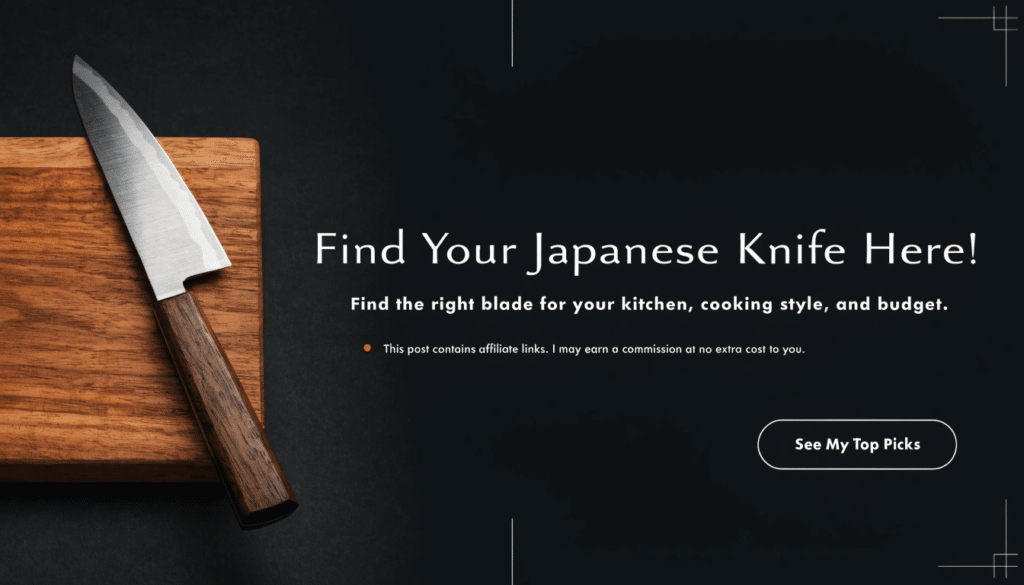
When you invest in a handcrafted Japanese knife, you are not simply buying a kitchen tool. You are acquiring decades of refined skill, regional tradition, and metallurgical expertise condensed into a single blade. The difference between a generic knife and one forged by a true master shows up in every slice—how long the edge holds, how effortlessly it glides through vegetables and meat, and how it feels in your hand after hours of prep work. Beyond performance, these knives have a cool, rustic charm and visually impressive style that reflects their artisan origins, making them as stylish as they are functional.
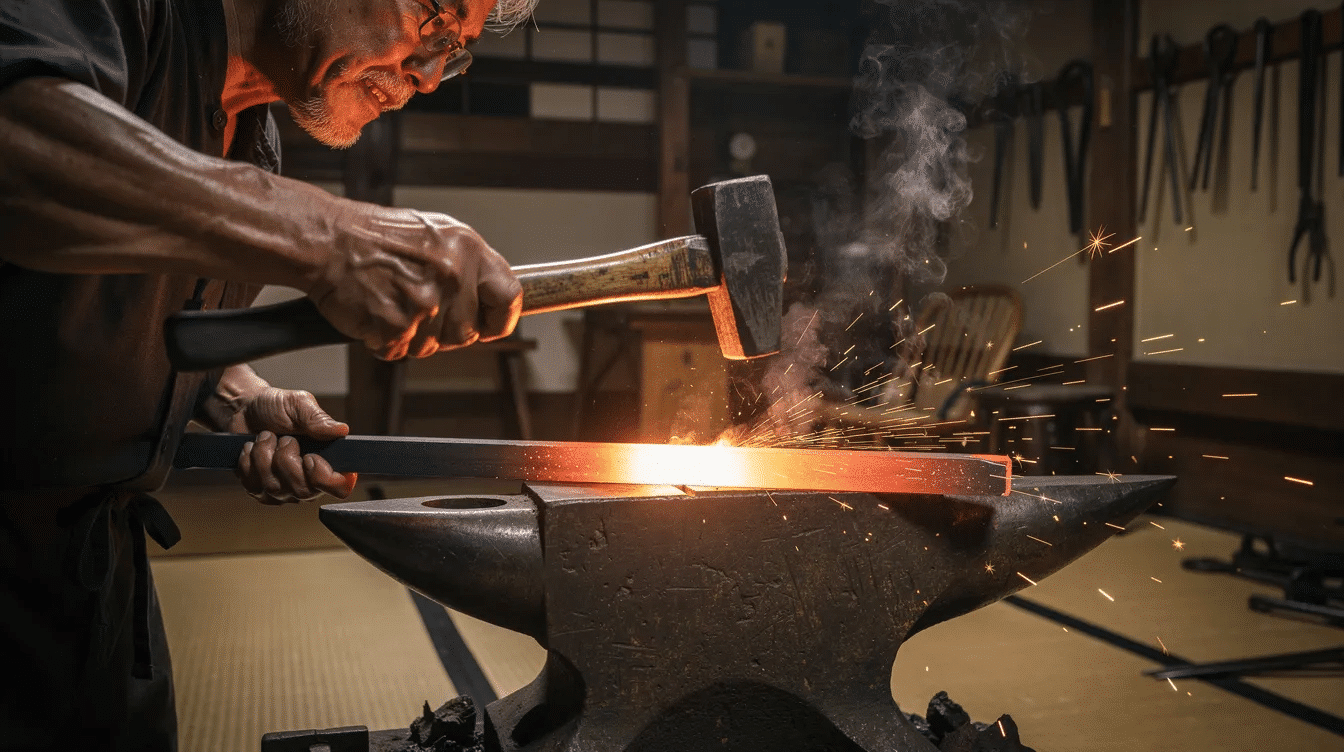
Understanding who made your knife matters as much as understanding what steel it contains. The best Japanese knife blacksmith brings consistent heat treatment, precise grinding, and a deep familiarity with specific steels that translates directly into kitchen performance. This article highlights specific master blacksmiths by name, location, and active status rather than speaking in vague generalities. Many of the most respected Japanese blacksmiths come from traditional centers such as Sakai in Osaka Prefecture, Takefu Knife Village in Fukui, and Sanjo in Niigata. Their work underpins many well-known brands that knife enthusiasts and collectors seek out worldwide.
- Introduction to Japanese Knives
- History of Japanese Blacksmiths
- How to Recognize a Great Japanese Knife Blacksmith
- Characteristics of Japanese Kitchen Knives
- The Craft of Handcrafted Japanese Knives
- Living Legend Blacksmiths You Should Know (Contemporary Masters)
- Retired Masters: Blacksmiths Whose Work Defined “Best”
- FAQ: Choosing the Best Japanese Knife and Blacksmith for Your Needs
- How much should I expect to pay for a knife from a top-tier Japanese blacksmith?
- Are there additional costs such as customs and import duties when ordering from Japan?
- How do I pick a good entry-level Japanese knife if I can’t yet afford a master blacksmith’s work?
- Do the best blacksmiths only work with carbon steel, or are there great stainless options too?
- How often do I need to sharpen a high-end Japanese knife, and who should sharpen it?
- How can I tell if a knife was actually forged by a named blacksmith and not just branded?
- Caring for Knives from Master Blacksmiths
- Completing Your Kitchen: Matching Knife Styles to Blacksmith Strengths
- Summary: Finding Your Best Japanese Knife Blacksmith
Introduction to Japanese Knives
Japanese knives are celebrated worldwide for their unmatched sharpness, precision, and artistry—qualities that have made them indispensable tools for professional chefs, passionate home cooks, and knife enthusiasts alike. The tradition of Japanese knife making is deeply rooted in centuries-old techniques, passed down through generations of master blacksmiths such as Yu Kurosaki. Each knife is more than just a kitchen tool; it is a reflection of Japanese culture, history, and the relentless pursuit of perfection. For those seeking the perfect knife, understanding the legacy and craftsmanship behind Japanese knives is essential. Whether you’re slicing sashimi with surgical precision or preparing vegetables for a family meal, these knives elevate every culinary experience, making them a prized addition to any kitchen or collection. Exploring the essential types of Japanese kitchen knives helps you match specific blades to the tasks you perform most often.
History of Japanese Blacksmiths
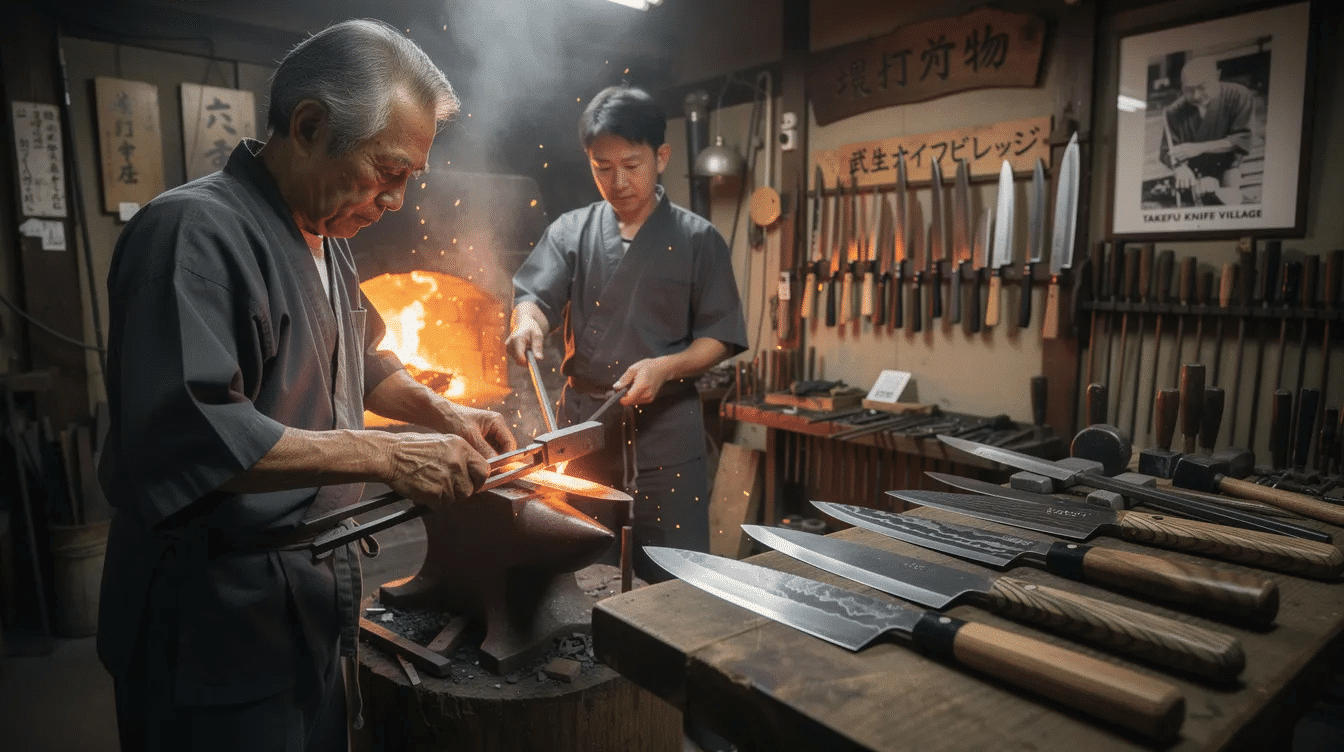
The legacy of Japanese blacksmiths stretches back hundreds of years, with their expertise in forging high-carbon steel blades becoming a hallmark of quality and tradition. From the bustling workshops of Sakai Takayuki to the renowned Takefu Knife Village, Japanese smiths have refined their craft through generations, producing razor-sharp knives that are revered by chefs and collectors around the world. The art of Japanese blacksmithing is closely intertwined with the nation’s cultural heritage, where ancient forging techniques are still honored and practiced today. For example, artisans like Kiyoshi Kato have dedicated their lives to mastering the skills required to create blades of exceptional sharpness and quality. By exploring the history and evolution of Japanese blacksmiths, one gains a deeper appreciation for the meticulous craftsmanship and enduring tradition that define every Japanese knife.
How to Recognize a Great Japanese Knife Blacksmith
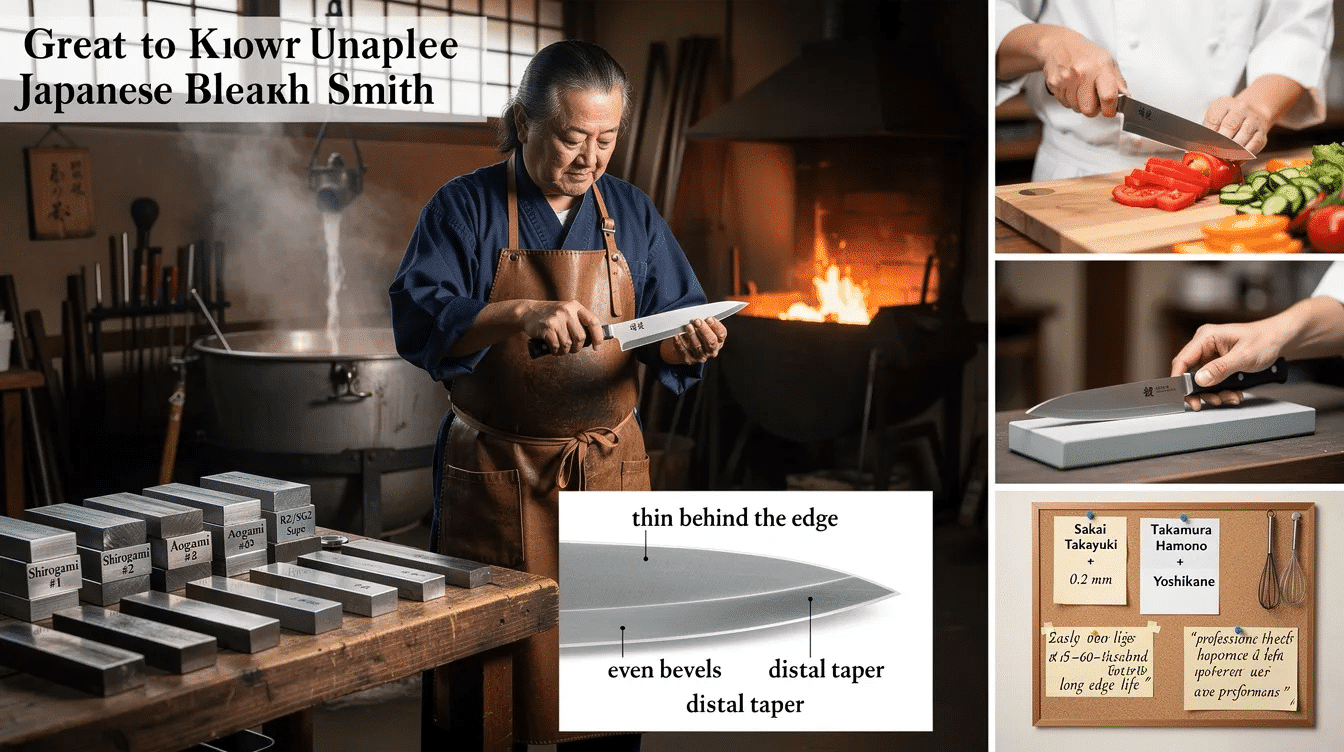
If you are a home cook or professional chef evaluating a blacksmith’s work, the proof appears in daily use: how the knife cuts, how long the edge lasts, and how easily it returns to razor sharp condition on a whetstone. These practical markers separate the best smiths from competent ones.
The criteria that distinguish elite Japanese smiths include:
- Steel knowledge: True masters work confidently with multiple steels—Shirogami #1 and #2 (white paper steel), Aogami #2 and Aogami Super (blue paper steel with tungsten and chromium), R2/SG2 (powdered stainless), and ultra-hard options like ZDP-189. Each steel demands different forging temperatures and quenching techniques.
- Heat treatment consistency: Kitchen knives from top blacksmiths typically achieve 60-64 HRC hardness. This range balances edge retention against brittleness. Inconsistent heat treatment creates soft spots or warping that undermines performance.
- Grind quality and geometry: Look for thin behind the edge (under 0.2mm at the heel for gyuto), even bevels at 15-20 degrees per side, and proper distal taper that reduces weight toward the tip. These details determine whether food releases cleanly or sticks.
Provenance matters. A signed tang stamp (mei) with kanji chisel marks certifies hand-forging. Association with established workshops like Sakai Takayuki, Takamura Hamono, or Yoshikane adds verification. Real-world validation comes from professional chefs, experienced sharpeners, and forum discussions among collectors who report on edge life across months of heavy use. When multiple experts consistently praise a smith’s blades, that consensus carries weight.
Characteristics of Japanese Kitchen Knives
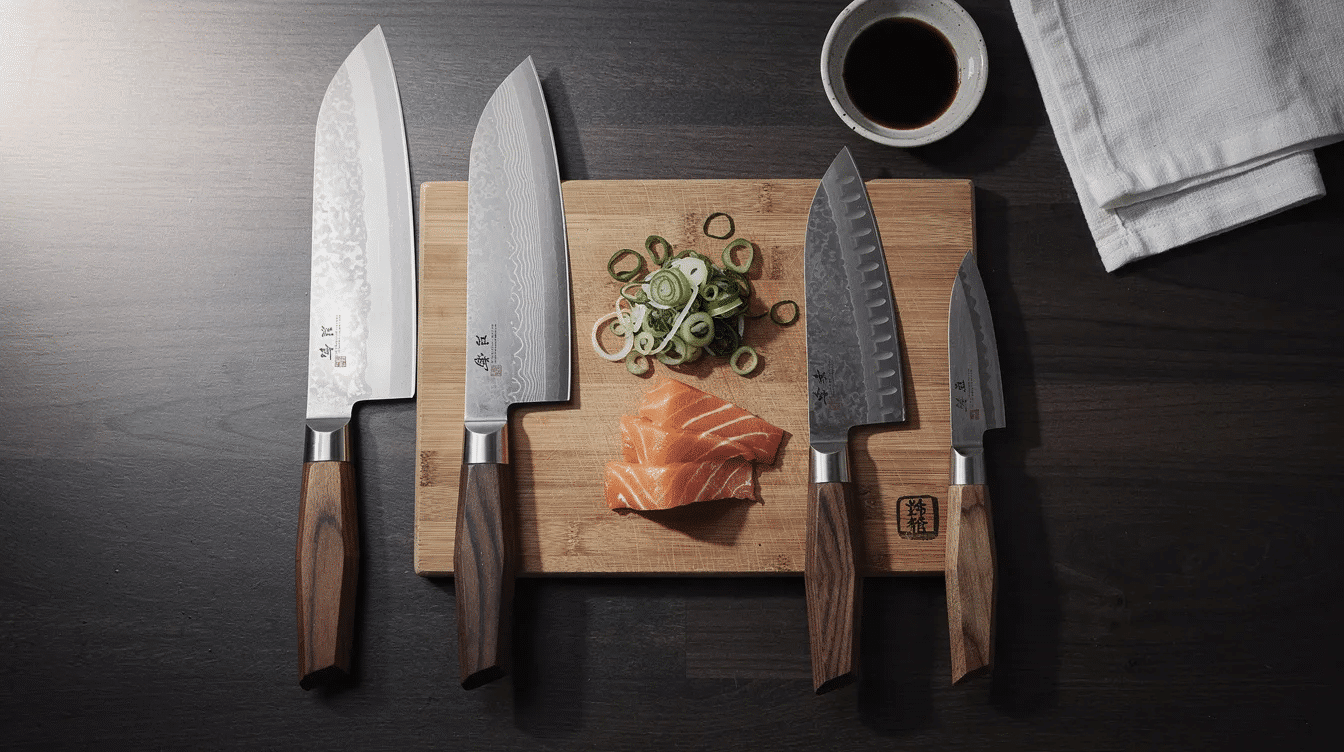
Japanese kitchen knives are renowned for their extraordinary sharpness, precision, and lasting durability—qualities that set them apart from other kitchen knives. Crafted by skilled Japanese blacksmiths using high-carbon steel, these knives are designed to maintain a razor-sharp edge, making every cut effortless and clean. Whether you’re working with meat, vegetables, or delicate herbs, a sharp Japanese knife ensures accuracy and efficiency in every task. The compact and balanced design of Japanese kitchen knives makes them highly versatile, catering to the needs of both professional chefs and home cooks. Their superior edge retention, combined with meticulous craftsmanship, results in tools that not only perform exceptionally but also embody the highest standards of quality and making. For anyone seeking the perfect blend of sharpness, precision, and versatility, Japanese kitchen knives are the ultimate choice.
The Craft of Handcrafted Japanese Knives
The creation of handcrafted Japanese knives is a meticulous process that demands years of dedication, skill, and artistry from Japanese blacksmiths. In places like Takefu Knife Village, master artisans devote themselves to perfecting every aspect of the craft, from selecting the finest steel to shaping and sharpening each blade by hand. The forging process involves multiple stages—heating, hammering, grinding, and polishing—each requiring a keen eye for detail and a steady hand. Every handcrafted Japanese knife comes with detailed information about the materials used, the sharpening process, and care instructions, ensuring that collectors and chefs can maintain the knife’s edge and beauty for years to come. Choosing a handcrafted Japanese knife means investing in a piece of art that reflects the tradition, skills, and passion of generations of blacksmiths. It’s not just a tool, but a testament to the enduring quality and artistry of Japanese craftsmanship.
Living Legend Blacksmiths You Should Know (Contemporary Masters)
This section focuses on blacksmiths who were still active or whose work was widely available through the 2010s and 2020s. These craftsmen are commonly regarded as benchmarks for quality among enthusiasts and professionals alike.
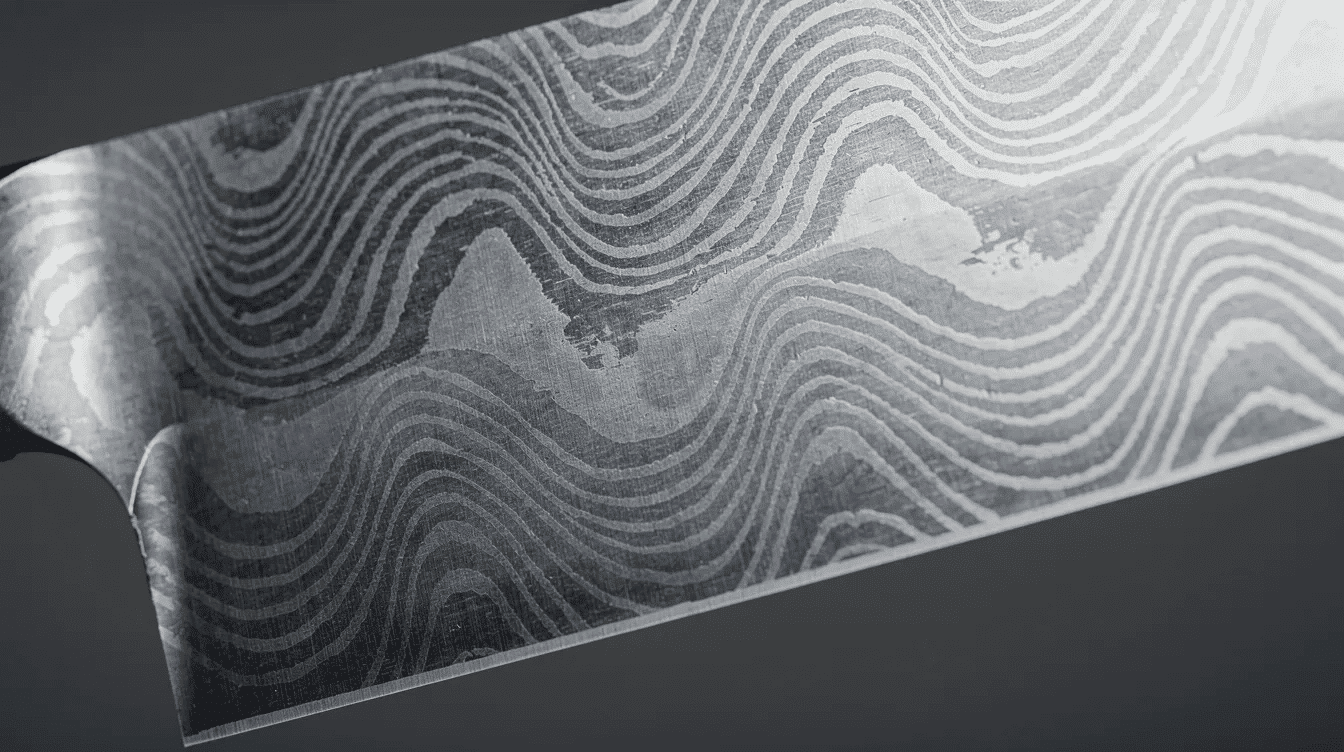
Yu Kurosaki works at Takefu Knife Village in Fukui Prefecture, producing some of the most visually striking Japanese kitchen knives available today. He is known for tsuchime (hammered texture) and Damascus cladding over R2/SG2 cores hardened to 62-63 HRC. His extremely thin gyuto chef’s knives—210mm lengths weighing just 150-170g—deliver edge retention that surpasses VG-10 by 20-30% in cutting tests. Kurosaki’s knives suit professional chefs who prefer stainless steel for low maintenance without sacrificing sharpness.
Satoshi Nakagawa of Sakai, Osaka, carries forward the Shiraki honyaki tradition. He specializes in Shirogami #1 single-bevel yanagiba and deba hardened to 64-65 HRC via clay-tempered hamon lines. His blades offer the precision that sushi professionals demand, though they require immediate drying after use to prevent rust. Collectors note that his early work is nearly indistinguishable from mentor Kenichi Shiraki’s blades under magnification.
Itsuo Doi, son of legendary smith Keijiro Doi, serves as head blacksmith for Sakai Takayuki in Osaka. He excels in Aogami #2 double-bevel gyuto at 61 HRC, renowned for superb heat treatment consistency that yields 8-10 month edge life in restaurant settings. His knives make excellent choices for semi-professional home cooks transitioning from stamped Western knives.
Takumi Ikeda of Takefu, nephew of Katsushige Anryu, upholds a 150+ year family lineage. He produces VG-10 and Shirogami gyuto featuring laser-like grinds under 0.2mm, weighing 140-160g for effortless all-purpose chopping. His work suits users comfortable with developing a protective patina on high carbon steel.
Yuusuke Takamura of Takamura Hamono in Echizen, Fukui, continues the legacy of his father Toshiyuki Takamura. He works with high-speed powdered steels like HAP-40 at 65 HRC, creating laser-thin gyuto prized by collectors for precision slicing. Availability is limited to small batches sold through retailers like Tokushu Knife, often selling out within days at $400-800 USD per blade, and those interested in the best Takamura knives for precision and performance will find they reward refined cutting technique.
These are small-batch makers. Their knives appear through specialist retailers and select online shops, frequently selling out to eager customers before restocks.
Retired Masters: Blacksmiths Whose Work Defined “Best”
Many of the most revered Japanese knife makers are now retired, and their knives have become highly collectible. Understanding their contributions provides context for evaluating current makers and recognizing where today’s techniques originated. Their legacies live on through apprentices, family successors, and branded lines still in production. These masters experimented with and refined all kinds of stuff—different steels, specialized tools, and unique techniques—which played a crucial role in the evolution of Japanese knife making.
Keijiro Doi of Sakai, active from the mid-20th century through the 2000s, pioneered low-temperature forging of Aogami #2 to minimize grain growth. This technique achieved 62 HRC uniformity and became foundational for Sakai Takayuki’s Genbu and Homura lines still produced today using his methods.
Kenichi Shiraki of Sakai, retired in the 2010s, was famed for Shirogami honyaki yanagiba with mirror-polished kasumi finishes at 64 HRC. He mentored Satoshi Nakagawa, whose early blades mirror Shiraki’s in edge geometry and hada (forge pattern) density. Retired pieces now command $1000+ USD premiums among collectors.
Masami Azai of Takefu, who began forging in 1963 and retired in the 2000s/2010s, specialized in R2 etched Damascus gyuto. He co-founded the cooperative that became Takefu Knife Village and innovated powdered steel cladding that boosted corrosion resistance by 40% over mono-steel construction.
Hiroshi Kato of Takefu spent over 50 years perfecting rustic Kurouchi finishes for home cooks, transitioning from Shirogami to Aogami Super in Masakage lines. He received the Order of the Sacred Treasure in 2023—a rare imperial honor for craft excellence. His son-in-law Yoshimi Kato continues the family tradition.
Katsushige Anryu of Takefu received the “Honourable Work of Traditional Crafts” medal in 2015 and was largely retired by the mid-2020s. He popularized VG-10 carbon steel gyuto at 60-61 HRC and trained nephew Takumi Ikeda, whose Anryu-branded knives maintain the thin-behind-edge geometry (0.15-0.25mm) that defined his uncle’s amazing work.
FAQ: Choosing the Best Japanese Knife and Blacksmith for Your Needs
How much should I expect to pay for a knife from a top-tier Japanese blacksmith?
Top-tier blacksmith knives typically range from $300-1500 USD for a gyuto. For example, Yu Kurosaki R2 models run around $450, while Takamura HAP-40 pieces reach $700-800. Custom orders or limited editions can exceed $2000. Factory lines from the same workshops—like Sakai Takayuki Ginsan at $150-250—offer more accessible entry points using easier steels like AUS-10 at 58-60 HRC.
Are there additional costs such as customs and import duties when ordering from Japan?
Yes. Direct orders from Japan typically incur 10-25% additional costs from customs duties on steel goods, plus international shipping. This can push a $500 knife toward $600-650 total. Purchasing through domestic retailers who handle import logistics often provides more predictable pricing, though selection may be narrower.
How do I pick a good entry-level Japanese knife if I can’t yet afford a master blacksmith’s work?
Look for factory lines produced by the same workshops that employ master smiths. Sakai Takayuki’s mid-range offerings, forged by Doi associates, deliver excellent performance at $150-250. Discover the basics with these tools before investing in a master’s personal work.
Do the best blacksmiths only work with carbon steel, or are there great stainless options too?
Top smiths offer both. Carbon steels like Shirogami and Aogami suit sharpening enthusiasts who enjoy the process and accept patina development. Stainless options like R2/SG2 hold edges approximately 20% longer in humid kitchens and require minimal maintenance. Yu Kurosaki and Takamura both produce excellent stainless-core knives.
How often do I need to sharpen a high-end Japanese knife, and who should sharpen it?
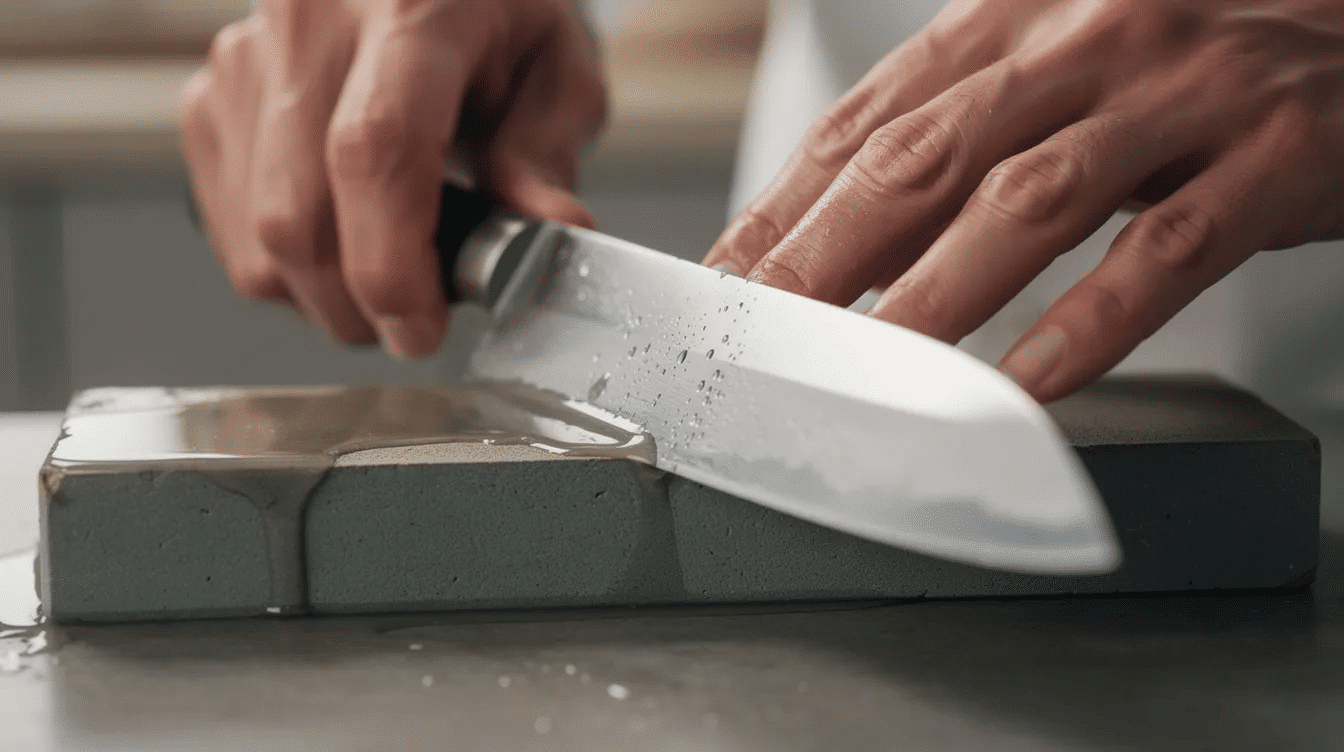
For daily professional use, expect sharpening every 1-3 months using 1000-3000 grit whetstones at 15-degree angles. Home cooks using their knives several times weekly may go 4-6 months between sessions. Ceramic honing rods help maintain edges between sharpenings. Avoid pull-through sharpeners—they destroy the thin geometry that makes these blades special.
How can I tell if a knife was actually forged by a named blacksmith and not just branded?
Check for visible mei (chisel stamps) on the tang, typically kanji characters unique to each blade smith. Ask your retailer which specific smith forged a particular line—reputable shops like Knifewear provide this detailed information. Avoid suspiciously cheap “branded” knives that lack visible forge marks, as counterfeits from overseas do exist.
Caring for Knives from Master Blacksmiths
Even the perfect knife from the world’s best blacksmith cannot compensate for poor care. Proper maintenance preserves both edge and aesthetics across years of use.
Cleaning: Hand wash only with mild detergent and dry immediately. Japanese knives should be hand-washed immediately after use with mild detergent and dried with a cloth to prevent damage. Carbon steel develops protective patina over weeks of use but will stain initially if left wet. Never use dishwashers—the harsh detergents and high heat damage both blades and traditional handles made from ho wood or magnolia. Japanese knives require daily attention to maintain their high performance, and their performance can improve over time with proper care.
Storage: Use saya (wooden sheaths included with approximately 70% of artisanal knives), in-drawer blocks, or magnetic strips. How you store your Japanese knives is important to prevent damage. Loose drawer storage invites chipping and dulling. Many makers include basic storage guidance with their knives. To protect the delicate blade, it is recommended to use a wooden end grain cutting board instead of harder surfaces like glass or steel.
Sharpening and honing: Recommend whetstones over pull-through devices. Use 1000-3000 grit for maintenance and 6000-8000 for polishing. Japanese knives should be professionally sharpened once or twice a year, while honing can be done before each use to ensure clean slicing. Note that honing rods should be ceramic rather than steel to suit harder Japanese edges at 60+ HRC without rolling the edge. Using the wrong sharpening technique or angle can damage the blade and compromise performance.
Higher-end knives often include maker-specific instructions specifying recommended angles (typically 12-15 degrees per side) and maximum grit levels to preserve hamon visibility on honyaki blades.
Completing Your Kitchen: Matching Knife Styles to Blacksmith Strengths
The best blacksmith for you depends partly on which knife style you need. Different makers excel at different blade types based on their training and regional tradition.
Gyuto (all-purpose chef’s knife, 210-240mm): Look for makers known for thin grinds and high edge retention. Takamura and Yu Kurosaki produce gyuto with sub-0.2mm edges that slice through proteins and vegetables without drag. These versatile knives handle 80% of kitchen tasks.
Santoku (165-180mm): This compact style suits home cooks with smaller cutting boards. Many Sakai and Takefu smiths create balanced, lighter santoku with excellent food release for daily chopping of produce.
Petty (150mm): Prioritize precision and easy sharpening. Petty knives make excellent entry points into high-end blacksmith work—they are affordable yet showcase a smith’s grinding skills on herbs and detail work.
Nakiri: Favor blacksmiths who excel at flat profiles and convex grinds for food release. These “vegetable katanas” make quick work of high-volume prep.
Deba and yanagiba: Seek specialists from Sakai or Sanjo with long histories of single-bevel fish and sushi knives. Nakagawa and other Shiraki lineage smiths excel here.
Build a small, effective collection rather than chasing every model. Start with 1-2 core knives (gyuto plus petty) from one reputable blacksmith before expanding. Consider your cooking habits and sharpening comfort level when selecting steel type and hardness.
Summary: Finding Your Best Japanese Knife Blacksmith
The best Japanese knife blacksmith combines objective craft quality with personal fit. Your budget, maintenance tolerance, and cooking style all factor into which smith’s work will serve you best. A carbon steel enthusiast finds joy in Nakagawa’s white steel honyaki, while a busy professional chef may prefer Kurosaki’s low-maintenance R2 stainless.
Research individual blacksmiths, their regions, and their steel specialties before buying. Learning about both current masters like Kiyoshi Kato and retired legends like Doi, Shiraki, Azai, and Anryu gives you context to recognize genuine quality when you encounter it.
Start with one well-chosen knife from a reputable blacksmith, care for it properly using whetstones and proper storage, and gradually deepen your collection and knowledge. The art of Japanese knife making rewards those who approach it with patience and appreciation for the craft these guys have spent lifetimes perfecting.
