Finding the best high carbon steel knife depends on three things: your skill level, how much maintenance you’re willing to do, and your budget. There’s no single “best” knife that works for everyone. A professional chef who sharpens daily has different needs than a home cook who wants something sharp but low-fuss. This guide breaks down the top picks across both traditional reactive carbon steel and modern high carbon stainless steel options so you can find exactly what fits your kitchen.
- Introduction to Carbon Steel Knives
- Straight to the point: our top high-carbon steel knife picks
- The tests: how we picked the best high-carbon knives
- Types of Knives
- Carbon steel vs stainless vs “high-carbon stainless” knives
- Knife Construction
- How to choose the best high carbon steel knife for you
- Our favorite high-carbon steel chef’s knives (detailed picks)
- Specialty Knives
- Care and maintenance for high-carbon and carbon steel knives
- Is a high-carbon steel knife right for you?
Introduction to Carbon Steel Knives

Carbon steel knives have long been the backbone of professional kitchens, and their reputation is quickly spreading among passionate home cooks. What sets a carbon steel knife apart is its blend of iron and carbon, resulting in a blade that offers exceptional durability and superior edge retention. Unlike stainless steel knives, which prioritize corrosion resistance, carbon steel knives can be honed to a razor sharp cutting edge, making them ideal for tasks that demand precise cuts—whether you’re chopping vegetables, slicing meat, or mincing herbs. The harder, more brittle edge of carbon steel means it can achieve a finer point, allowing for cleaner, more controlled slicing. With proper care, a carbon steel knife can last for decades, developing character and patina over time. For anyone serious about cooking, investing in a quality carbon steel knife means enjoying a tool that combines the best of edge, durability, and performance.
Straight to the point: our top high-carbon steel knife picks
Here are the knives that stood out after hands-on testing, ranging from budget-friendly performers to no-compromise enthusiast blades:
- Misono Swedish Carbon Steel Gyuto 210mm — A classic carbon steel chef’s knife prized for its edge retention and traditional craftsmanship. Traditional reactive Swedish carbon steel, ~60 HRC, develops beautiful patina, ~$170–$190. Best for: enthusiasts comfortable with extra care and whetstone maintenance.
- Zwilling Kanren 8-inch Chef’s Knife — High carbon stainless steel core with stainless cladding, high chromium content provides excellent corrosion resistance, ~60 HRC, ~$200–$230. Best for: home cooks wanting Western-style knives with premium edge retention.
- Hast 8-inch Chef’s Knife — Proprietary high carbon stainless, ~60 HRC, around $80. Best for: budget-conscious buyers wanting sharp performance without constant maintenance.
- Shun Classic 8-inch Chef’s Knife — VG-MAX high carbon stainless with Damascus cladding, high chromium content for excellent corrosion resistance, ~61 HRC, ~$170–$200. Best for: cooks wanting refined aesthetics with excellent sharpness.
- Aogami Super Gyuto 210mm (Masamoto, Tojiro, or similar makers) — Many high-end Japanese knives use san mai construction, where a hard carbon steel core is sandwiched between softer layers for durability and resilience. This Aogami Super carbon steel chef’s knife contains more carbon than most, resulting in exceptional hardness and edge retention (~63 HRC, ~$200–$260). Best for: professionals and knife enthusiasts seeking exceptional edge retention.
Value pick: The Hast 8-inch delivers roughly 80% of premium knife performance at a quarter of the cost.
No-compromise pick: An Aogami Super gyuto offers the hardness and edge retention that professional chefs and serious enthusiasts crave.
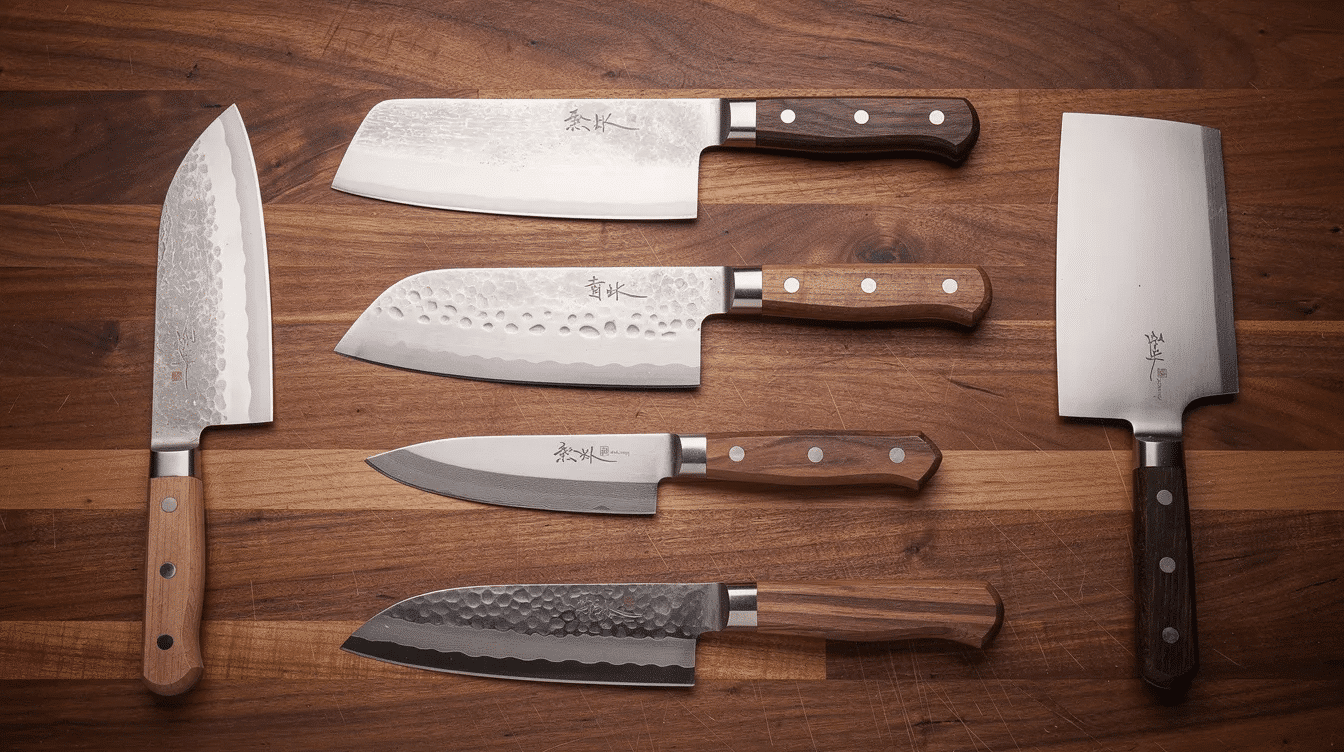
Different handle materials can create unique aesthetics and grip styles, allowing users to choose based on both function and appearance.
The tests: how we picked the best high-carbon knives
These recommendations come from hands-on evaluation, not just spec sheets. Real kitchen performance reveals what numbers can’t.
The core tests included slicing onions (evaluating food release and initial sharpness), dicing carrots (measuring edge retention), chopping dense ingredients like sweet potato and squash (testing geometry and power), mincing herbs (assessing fine control), and breaking down a whole chicken (checking durability under torque).
At least 10–12 high carbon and high carbon stainless chef’s knives were compared side-by-side, focusing on 8-inch and 210mm blade length options.
Evaluation criteria included:
- Out-of-box sharpness (paper slicing and tomato skin tests)
- Edge retention over multiple prep sessions (100+ cuts before noticeable dulling)
- Food release (thinner grinds excel here)
- Comfort during extended use
- Balance (neutral to blade-forward preferred)
- Ease of maintenance between sessions
Both Western chef’s knife profiles and Japanese gyuto and santoku knife styles were tested, with final rankings weighted toward versatility as a primary kitchen knife.
Types of Knives
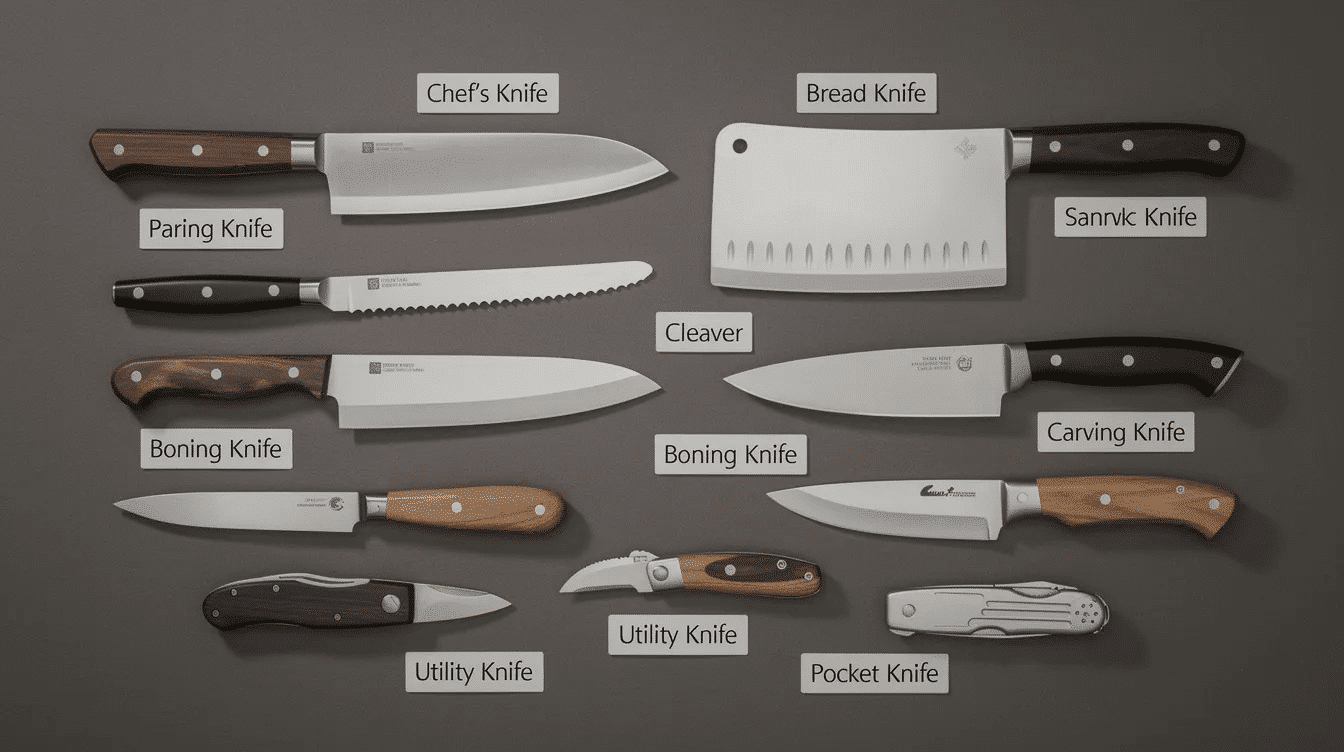
There’s a carbon steel knife for every kitchen task, each designed with specific strengths in mind. The chef’s knife is the workhorse—versatile enough for chopping, slicing, mincing, and dicing, making it a staple for both home cooks and professionals. Paring knives, with their smaller, nimble blades, excel at intricate cutting, peeling, and coring where precision is key. The santoku knife, a Japanese favorite, features a straight edge and broad blade, making it well suited for chopping vegetables and performing quick, clean cuts. For those who focus on plant-based cooking, the nakiri knife is purpose-built for chopping vegetables with its flat edge and tall profile. Meanwhile, the dao vua, a Chinese-style cleaver, is perfect for heavy-duty chopping and slicing, offering both power and versatility, especially when paired with an understanding of essential Japanese knife types for more specialized tasks. Each of these carbon steel knives brings unique advantages to the kitchen, ensuring you have the right blade for every culinary challenge.
Carbon steel vs stainless vs “high-carbon stainless” knives
The term “high carbon steel” gets used loosely online, blurring important distinctions. Understanding these categories helps you buy smarter.
Traditional carbon steel contains roughly 0.6–1.5% carbon content with little or no chromium. Classic examples include White Steel #1/#2, Blue Steel #1/#2, Aogami Super, and Swedish carbon steel. These carbon steel blades achieve superior sharpness, respond beautifully to a sharpening stone, and develop distinctive patina over time. Steels with more carbon (typically above 0.6%) are harder and offer better edge retention, but can be more brittle and susceptible to chipping. The trade-off is they require extra care to prevent rust.
Stainless steel contains at least 10.5% chromium, providing better corrosion resistance but generally softer material that doesn’t take quite as fine an edge. Its high chromium content forms a protective layer on the surface, greatly enhancing corrosion resistance. Common German-style knives from Zwilling or Wüsthof fall here.
High carbon stainless steel represents modern knife steels like VG-10, VG-MAX, and proprietary blends. These combine elevated carbon (1.0–1.4%) with enough chromium (13–16%) for rust resistance while still achieving a sharp edge. Think of them as a compromise between the two worlds.
Steel type is only one factor. Heat treatment, grind, blade geometry, and edge bevel matter as much or more in real-world cutting performance.
Some Japanese knives use the san mai technique, which sandwiches a hard steel core between softer outer layers to create a blade with both durability and resilience.
Why traditional carbon steel stains and rusts so easily
Patina and rust are not the same thing. Understanding the difference helps you maintain carbon steel knives properly.
Without chromium’s protective layer, non stainless carbon steel reacts quickly with water, acids, and salts. Visible rust can start forming in under an hour if you leave a wet knife on the cutting board or in the sink. This happens because iron atoms lose electrons to form iron oxide when exposed to water and oxygen.
Patina is the dark grey or blue film that builds over weeks of use through controlled oxidation. It actually improves corrosion resistance slightly and gives the blade a distinctive aesthetic that knife enthusiasts prize.
For example, cutting lemons or tomatoes repeatedly on a new Misono Swedish carbon steel knife will accelerate patina formation near the cutting edge. This is desirable. But neglecting to wipe the blade during such acidic work invites spot rust.
The key distinction: rust appears flaky, reddish-brown, and spreads if ignored. Patina forms a thin layer that’s stable and generally beneficial. One protects your blade; the other damages it.
How high-carbon stainless tries to give you the best of both worlds
Many “best high carbon steel knife” recommendations actually feature high carbon stainless cores. The VG-MAX in Shun Classic, proprietary steel in Hast, and the core material in Zwilling Kanren all fall into this category.
These steels typically run 58–61 HRC, allowing a thin, keen edge with significantly less risk of everyday rust than pure carbon steel. High-carbon stainless steels achieve their rust resistance through high chromium content, which forms a protective barrier on the blade surface. You get close to the exceptional durability and sharpness of carbon without constant vigilance.
The trade-off: high carbon stainless knives won’t patina as dramatically and can feel slightly harder to sharpen than simple carbon steels. But for busy home cooks who want performance without rust worries, they’re ideal.
Consider high carbon stainless if you want a superb knife that doesn’t demand constant wiping and oiling throughout meal prep.
Knife Construction
The construction of carbon steel knives is a testament to traditional craftsmanship and modern innovation. Most carbon steel knives are forged, a process where the steel is heated and hammered into shape, then quenched and tempered to achieve the ideal balance of hardness and flexibility. This forging process gives the blade its strength and allows for a sharp, resilient edge. Some carbon steel knives feature a thin layer of stainless steel or other materials on the outside—known as cladding—which enhances corrosion resistance and durability without sacrificing the cutting performance of the carbon steel core. Handles come in a variety of materials, from classic wood to durable metal and modern synthetics. Western style knives often use a full-tang construction, where the steel extends through the handle for added strength and balance. Whether you prefer the heft of a Western style steel knife or the agility of a Japanese blade, the construction details play a crucial role in the knife’s performance, comfort, and longevity.
How to choose the best high carbon steel knife for you
The “best” knife depends on your cooking style, experience, and tolerance for proper maintenance—not just HRC ratings or price tags.
Knife style and blade length:
- 8-inch Western chef’s knives and 210mm gyutos offer the most versatility
- A chef’s knife is the most versatile option for most cooks, suitable for a wide range of kitchen tasks.
- 180mm gyutos or 7-inch santoku knives suit smaller hands or tight kitchens
- A nakiri knife or paring knife can complement your main blade later
Blade geometry:
- Look for blades 45–55mm tall at the heel for good knuckle clearance
- Spine thickness around 2–2.3mm balances agility with strength
- Moderate curves work well suited for both push-cutting and rocking motions
- Thin grinds excel at precise cuts and intricate cutting tasks
Handle and balance:
- Slimmer handles that taper toward the bolster feel less fatiguing
- Neutral or slightly blade-forward balance aids long prep sessions
- Pakkawood, micarta, and stabilized wood offer grip and durability
- Different handle materials can create distinct looks and grip experiences, allowing users to select based on their preferences.
- Metal handles look modern but can feel slick when wet
Maintenance tolerance:
- Traditional carbon steel (Misono Swedish, Aogami Super) requires wiping during use, immediate drying, and occasional oiling
- High carbon stainless (Hast, Shun Classic, Zwilling Kanren) needs less fuss and suits shared kitchens
Budget bands:
- $80–$120: Hast 8-inch, Tojiro DP Gyuto 210mm (VG-10)
- $150–$200: Misono Swedish Carbon 210mm, Shun Classic 8-inch
- $200–$300: Zwilling Kanren 8-inch, premium Aogami Super gyutos
Our favorite high-carbon steel chef’s knives (detailed picks)
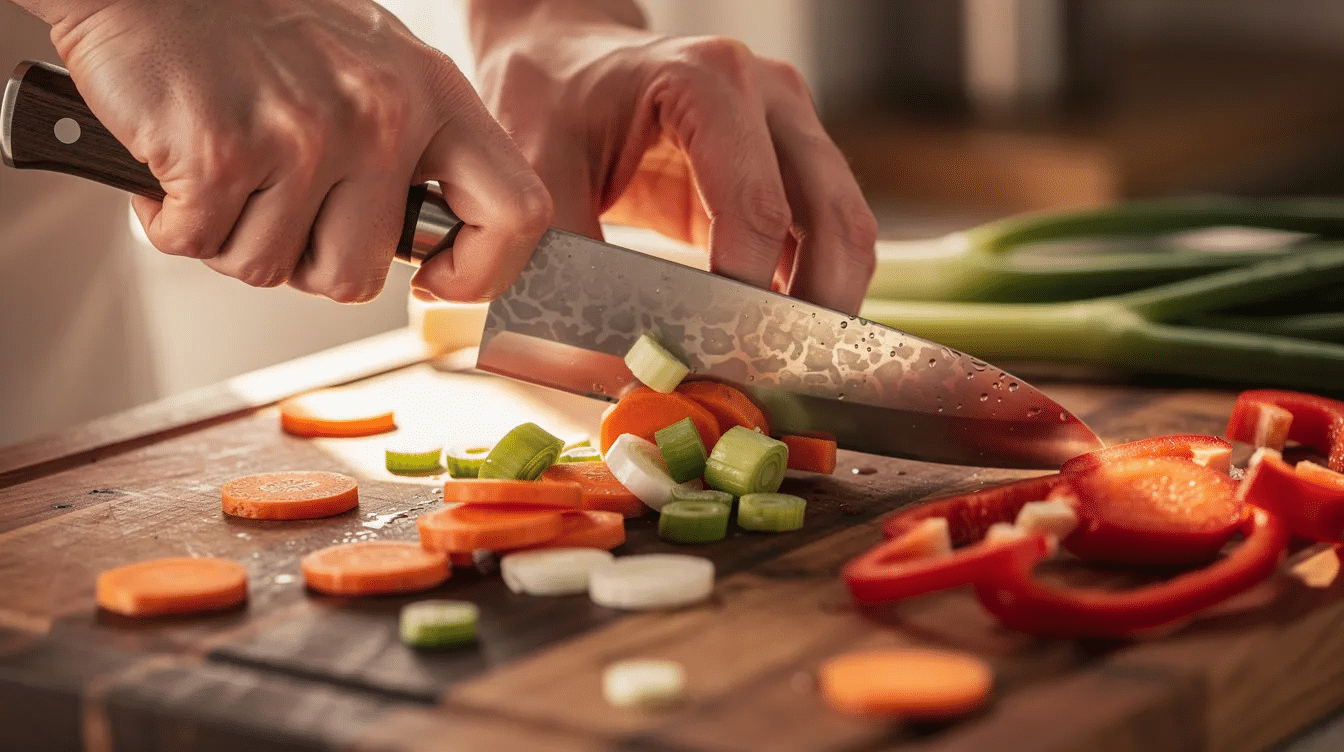
This section expands on the quick picks with more detail about why each knife stands out. Each carbon steel chef’s knife reviewed here offers unique advantages depending on user needs. All can serve as your primary carbon steel chef’s knife, but they differ in feel, maintenance requirements, and price. Match the description to your habits.
Misono Swedish Carbon Steel Gyuto 210mm:
- Reactive Swedish carbon steel at approximately 60 HRC with a thin, laser-like grind
- Asymmetric ~70/30 bevel tailored for right-handers favors push-cutting and slicing
- Sharpens quickly on whetstones and develops a rich patina that enthusiasts love
- Rusts easily if left wet or used heavily on acidic foods without wiping—requires extra care
- The longer, narrow blade excels at chopping vegetables and precision work rather than aggressive rocking
Zwilling Kanren 8-inch Chef’s Knife:
- Broad, curved blade with rounded belly makes rock-chopping herbs and garlic effortless
- High carbon stainless core clad in stainless Damascus for excellent rust resistance
- Feels substantial but balanced, with a Western handle and full tang improving leverage on dense ingredients like squash
- Commands a premium price and isn’t quite as razor sharp out of the box as Japanese lasers, but holds its edge well through sessions
- Well suited for cooks who prefer western style knives with modern steel quality
Hast 8-inch Chef’s Knife:
- Ultra-thin grind with very sharp factory edge and light ~6.5 oz weight for agile, precise cuts
- Proprietary high carbon stainless steel resists staining and maintains exceptional edge retention
- Modern all-metal handle looks sleek but can feel slick when wet compared to textured wood
- Strong value around $80 for cooks wanting high carbon knife performance on a smaller budget
- Excellent entry point for home cooks upgrading from basic stainless steel knives
Shun Classic 8-inch Chef’s Knife:
- VG-MAX high carbon stainless core at 60–61 HRC with Damascus cladding blends superior sharpness with reasonable stain resistance
- Tall blade with gentle curve works for both push-cuts and rocking techniques
- D-shaped pakkawood handle feels refined and looks gift-worthy
- Handle may feel bulky for users with very small hands
- A splurge choice combining performance with aesthetics that impresses
Aogami Super Gyuto 210mm (Masamoto, Tojiro, or similar):
- Aogami Super is a very hard carbon steel (low 60s HRC) designed for extreme edge holding and superior edge retention, containing more carbon than most steels for increased hardness and wear resistance
- Many versions use san mai construction, combining a hard carbon steel core with softer outer layers for improved durability and resilience
- Many versions use stainless clad construction with exposed carbon core along the edge—partial rust resistance plus visible patina where it counts
- Feels laser-like and delicate; avoid bones and frozen foods to prevent chipping
- An enthusiast’s or professional’s knife that rewards good technique and careful maintenance, much like high-performance Takamura knives known for precision and edge retention
- Offers hardness and edge retention that surpasses most alternatives
Why blade shape, height, and weight matter so much
Steel gets the attention, but geometry and ergonomics often determine whether a knife feels like “the best” for your daily use.
Taller blades (around 48–55mm at the heel) provide more knuckle clearance on the cutting board and better leverage on hard produce. Very low heels can feel cramped during extended prep work.
Western chef’s knives and gyutos with pronounced curves excel at rock-chopping motion. Flatter Japanese profiles shine for push-cutting and tap-chopping techniques common in Asian cuisines.
A weight range of roughly 6–7.5 ounces for 8-inch or 210mm knives offers good balance between power and agility. Heavier blades help with dense ingredients; lighter ones reduce fatigue.
Handle cross-section (oval, octagonal, Western) comes down to personal preference. However, overly thick or bulbous handles consistently cause hand fatigue during long sessions regardless of shape.
Comfort and control: handle design and balance
Even the hardest, sharpest steel becomes frustrating if the handle feels awkward or slippery. Knife features beyond the blade deserve attention.
Gently contoured handles that taper toward the blade or bolster secure a natural pinch grip. This grip style offers the most control for precise cuts.
Common handle materials:
- Pakkawood and stabilized wood provide warmth and excellent grip
- Micarta and G-10 offer exceptional durability and weather resistance
- Metal handles (like Hast) look modern but may slip when wet without a soft cloth nearby
The choice of handle material can create different visual styles and grip sensations, allowing users to personalize their best high carbon steel knife to match their preferences.
Look for neutral or slightly blade-forward balance points, just ahead of the bolster, for versatile cutting styles.
Users with smaller hands often prefer slimmer Japanese-style wa handles, while those accustomed to European knives may feel more at home with full-bolster Western handles.
Specialty Knives
Beyond the standard chef’s, paring, and santoku knives, the world of carbon steel knives includes a range of specialty options tailored for specific tasks and preferences. High carbon stainless steel knives combine the sharpness and edge retention of carbon steel with the corrosion resistance of stainless steel, making them a popular choice for those who want performance with less maintenance. Non-stainless carbon steel knives, on the other hand, are prized by purists for their exceptional sharpness and superior edge retention, though they require extra care to prevent rust and corrosion. Specialty knives may also feature unique blade shapes or materials, such as Damascus steel for striking patterns and added toughness, or titanium for lightweight strength. Whether you’re filleting fish, slicing meat, or tackling intricate prep work, these specialty carbon steel knives offer tailored solutions that can elevate your kitchen toolkit.
Care and maintenance for high-carbon and carbon steel knives
High carbon knives reward good care with decades of service. Neglect them, and you’ll face rust, patina blotches, and chipping. Proper maintenance isn’t complicated—it just requires consistency.
Daily care:
- Hand wash immediately after use with mild soap
- Rinse thoroughly and dry completely with a soft cloth
- Never leave knives in the sink or dishwasher—ever
During use:
- Wipe the blade frequently when cutting acidic or salty foods (tomatoes, citrus, pickles)
- This reduces aggressive corrosion on reactive carbon steel blades
- Even 30 seconds of contact with lemon juice can start spots on unprotected carbon
Rust vs patina:
- Light rust can be removed with rust erasers or very fine abrasives
- Avoid heavy scrubbing that could scratch cladding or kurouchi finishes
- Patina is desirable; rust is the enemy—learn to distinguish them
Sharpening:
- Use whetstones (1000/3000 or 1000/6000 grit combinations)
- Hone lightly with ceramic rods between stone sessions
- Avoid coarse pull-through sharpeners that damage thin edges
Proper storage:
- Magnetic strips allow air circulation and protect edges
- In-drawer blocks with blade guards work well
- Never toss knives loosely in drawers with other metal utensils
Long-term storage:
- Apply a thin coat of food-safe mineral oil on fully reactive carbon blades
- Essential if unused for weeks or stored in humid climates
- Creates a protective layer against moisture
How to sharpen a high-carbon steel knife at home
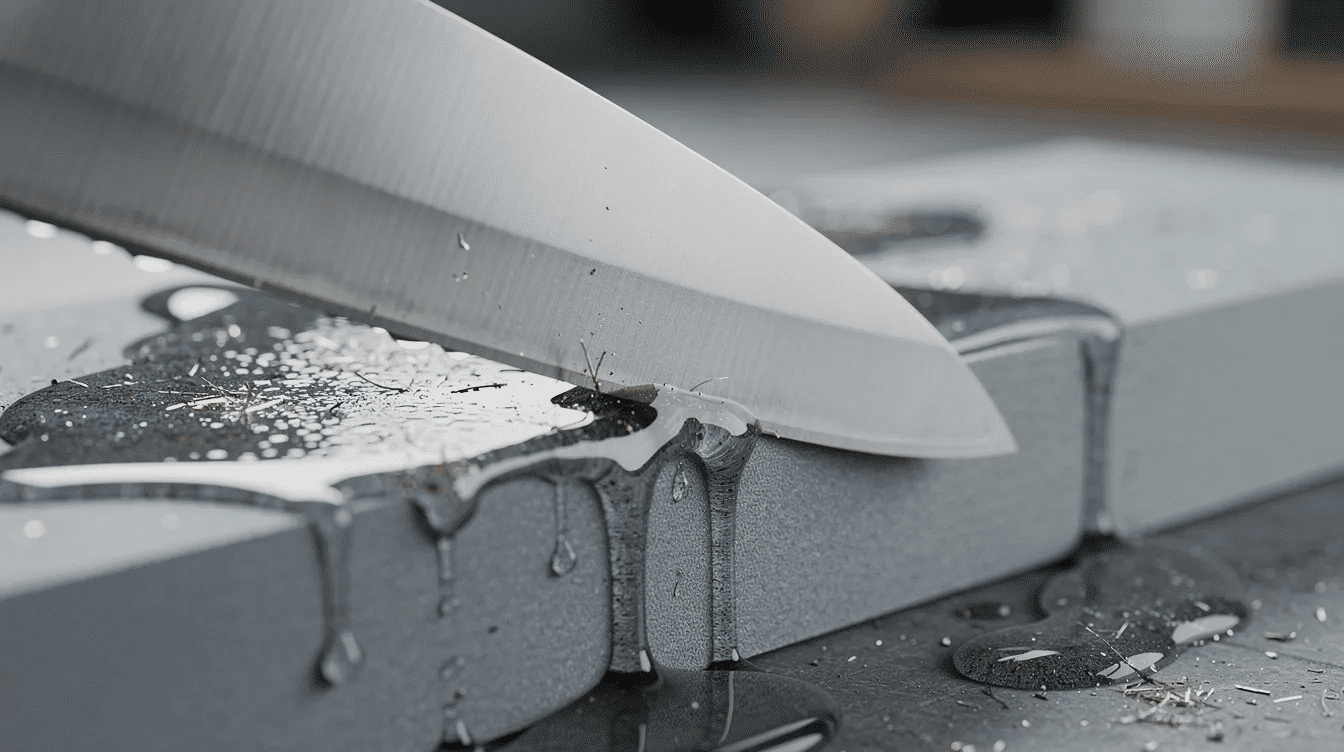
One advantage of carbon and high carbon steels is how well they respond to stones and strops. Many professional chefs choose these steels specifically because sharpening feels intuitive.
Basic whetstone routine:
- Soak or wet the stone if required by manufacturer
- Set a consistent angle: ~12–16° per side for Japanese-style blades, ~15–20° for thicker Western blades
- Alternate sides until a burr forms along the entire edge
- Progress to finer grits for polish
Traditional carbon steels like White, Blue, and Swedish carbon provide clear tactile feedback on the stone. This makes them easier to learn on compared to some “gummy” stainless steels that feel slippery.
Finish on a finer sharpening stone (3000–6000 grit) and optionally use a leather strop with compound for a high-polish cutting edge.
Caution for very hard steels: With Aogami Super or high-end powder steels, avoid over-thinning the edge. Extremely acute angles can cause chipping, especially when cutting dense or fibrous foods frequently.
Is a high-carbon steel knife right for you?
High carbon and high carbon stainless knives benefit specific users most: frequent cooks who value long-lasting edges, enthusiasts who enjoy the ritual of sharpening, and professional chefs who need superior sharpness session after session.
Traditional carbon steel (Misono Swedish, Aogami Super) works best if you:
- Cook daily and use your chef’s knife constantly
- Appreciate patina development as part of the blade’s character
- Are disciplined about immediate drying and occasional oiling
- Enjoy maintaining your tools and find it satisfying
High carbon stainless (Zwilling Kanren, Shun Classic, Hast) fits better if you:
- Share a kitchen where others might not follow strict care protocols
- Want excellent sharpness with fewer rust worries
- Prefer a high carbon knife without the patina maintenance
- Value convenience alongside quality
Start with one well-chosen high carbon or high carbon stainless chef’s knife as your main workhorse. Learn its characteristics before branching into specialized blades like a nakiri knife, petty, or slicer.
The bottom line: choose a steel knife that matches your cooking style and maintenance habits. A Misono Swedish gyuto will outperform any blade if you care for it properly. A Hast works brilliantly for home cooks who want sharpness without fuss. Both represent excellent paths to the same destination—a high carbon knife that performs at its best for years to come.
Commit to basic care, learn to sharpen on whetstones, and you’ll wonder how you ever cooked without a proper carbon steel blade in your collection.
