

Looking for precision woodworking tools that deliver exceptional performance? Discover authentic Japanese carpenters knives including kiridashi, folding utility knives, and specialized grafting tools. These knives are created through a careful process that honors both tradition and creativity, blending traditional forging techniques with modern innovations. From fine marking and scribing to detailed carving work, our collection combines centuries-old craftsmanship with premium Japanese steel for unmatched sharpness and durability.
Find your perfect woodworking companion and elevate your craftsmanship today.
History and Development of Japanese Carpenters Knives
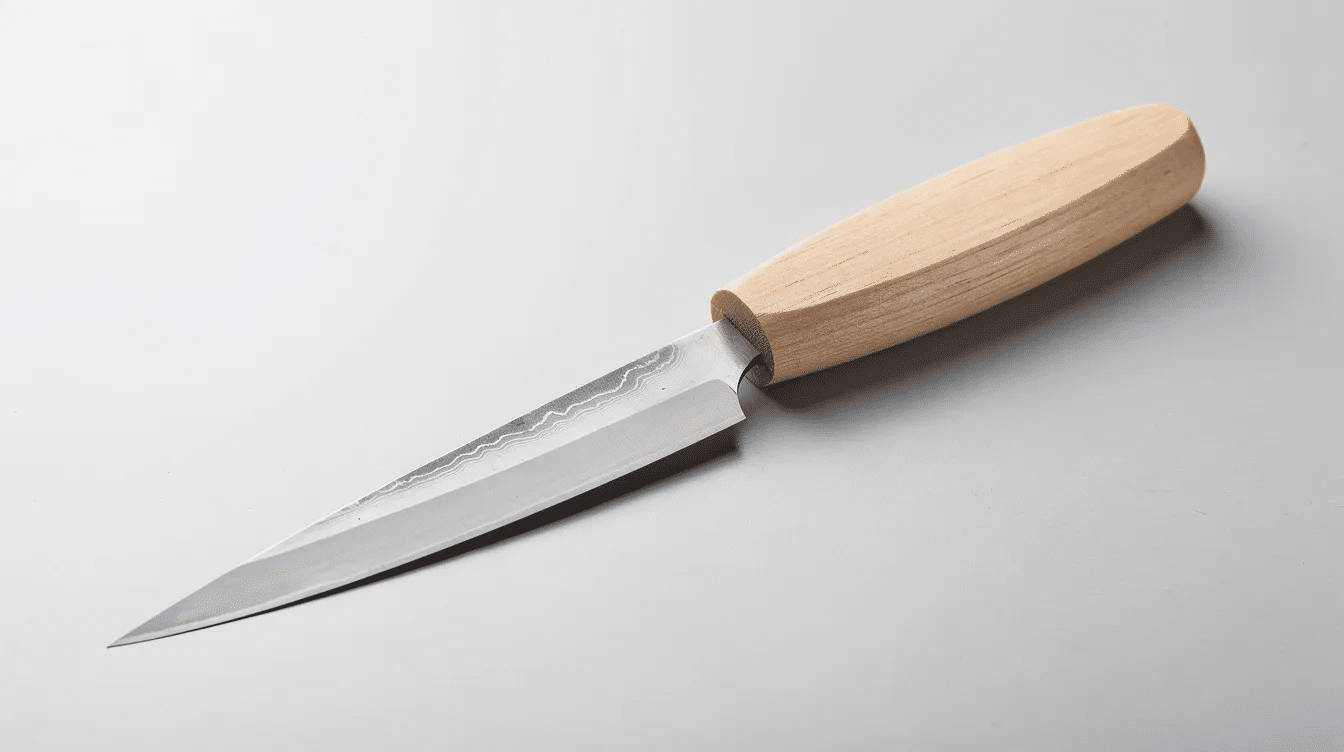
The story of Japanese carpenters knives is deeply intertwined with Japan’s centuries-old tradition of woodworking and metalworking. Originating from the same meticulous craftsmanship that produced legendary swords, these knives—especially the renowned Japanese kiridashi knife—were developed as essential tools for artisans seeking unmatched precision and control in their work.
Early Japanese carpenters knives were crafted using high carbon steel, a material prized for its sharpness, edge retention, and durability. This commitment to quality ensured that each cutting edge could withstand the rigors of daily use, whether for intricate marking, fine carving, or whittling. Over generations, Japanese craftsmen refined the design and manufacturing process, blending traditional forging techniques with modern innovations to create knives that are both functional and beautiful.
The handle and blade of each knife are carefully balanced, offering a comfortable grip and exceptional control—qualities that make these knives ideal for both workshop and outdoor use, much like specialized Japanese kitchen knife types that bring precision and tradition into culinary settings. Whether you’re shaping wood in a studio, maintaining bonsai plants, or camping in the wild, the Japanese carpenters knife is a must-have companion. Its straight, sharp edge allows for clean, precise cuts, while the durable construction ensures it remains a reliable tool for years to come.
Japanese carpenters knives have become popular worldwide, with customers appreciating the craftsmanship, attention to detail, and commitment to tradition that define each piece. The process of making these knives is a testament to the skill and dedication of Japanese craftsmen, who continue to uphold the standards of quality and beauty that have made these tools legendary.
Today, these knives are not only essential tools for woodworking and carving but also cherished for their aesthetic appeal and the sense of tradition they bring to every project. Whether you are a beginner discovering the art of Japanese woodworking or an experienced craftsman seeking the perfect blade, these knives offer a unique blend of performance, design, and heritage. With proper care, a Japanese carpenters knife becomes more than just a tool—it becomes a lasting symbol of craftsmanship and a trusted partner in your creative journey.
Japanese Carpenters Knives for Every Woodworking Task
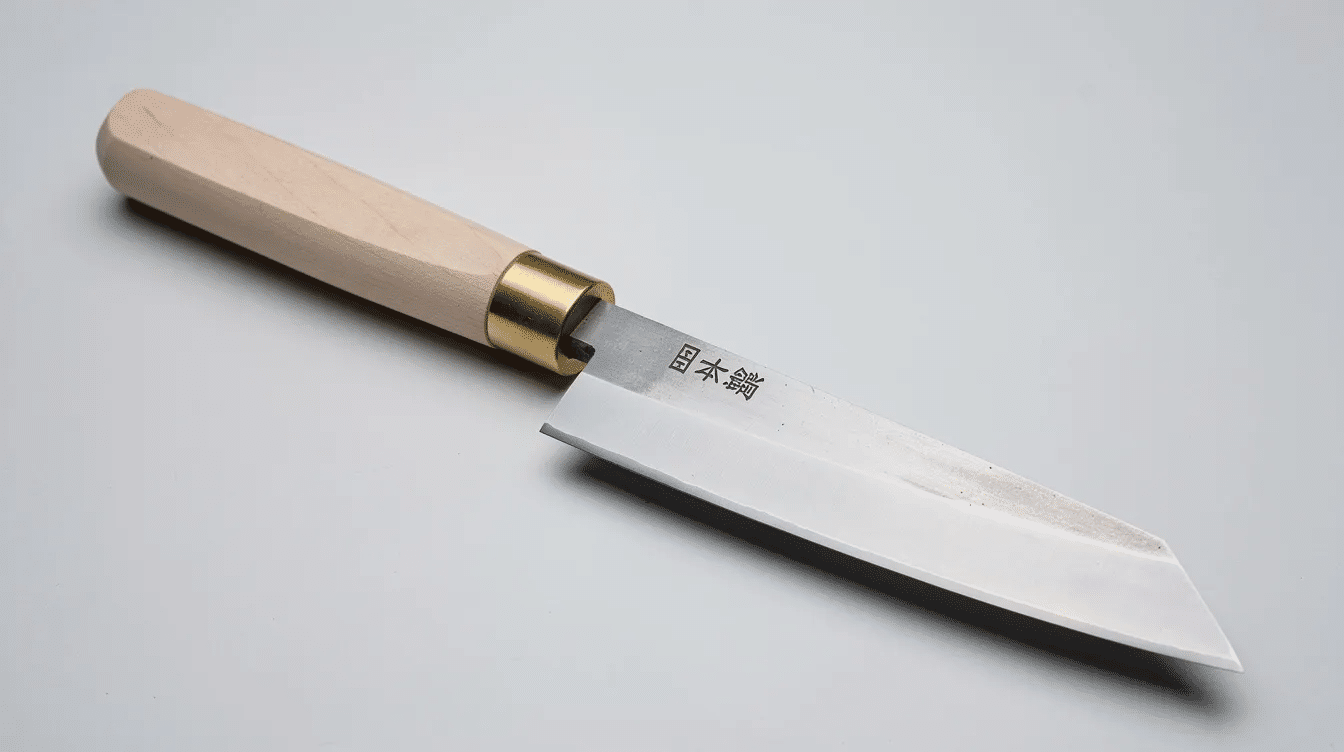
Whether you’re doing precision detail work or need portable convenience, there’s a Japanese carpenters knife for every woodworking project, just as the versatile Japanese gyuto chef’s knife serves as an all-purpose tool for a wide range of kitchen tasks. The sharpness and profile of these knives come close to the finest precision tools available, highlighting their superior craftsmanship.
Kiridashi for Precision Marking and Carving
The japanese kiridashi knife represents the essential tool for woodworkers who demand accuracy. These traditional single-bevel utility knives excel at marking, scribing, and fine woodworking details where clean lines matter most.
Available in sizes from 12mm to 24mm, each kiridashi is crafted to meet different precision requirements. Hand-forged construction using japanese high carbon steel delivers a razor-sharp cutting edge that holds its sharpness through demanding work sessions. For whittling, wood carving, and creating precise layout marks, these essential tools bring centuries of Japan tradition directly to your workshop.
Folding Knives for Portable Convenience
When your woodworking takes you beyond the workshop, folding japanese knives offer the ideal balance of performance and portability. The compact folding design suits camping, bushcraft, and outdoor use where carrying a full-size blade isn’t practical.
These knives feature both single and double bevel cutting edges for versatile applications. A secure folding mechanism fits the blade safely into the handle for pocket carry without risk. Many pieces are crafted with Shirogami White Steel #2, resulting in superior edge retention and sharpness that serious craftsmen enjoy in the field.
Bonsai Grafting Knives for Specialized Work
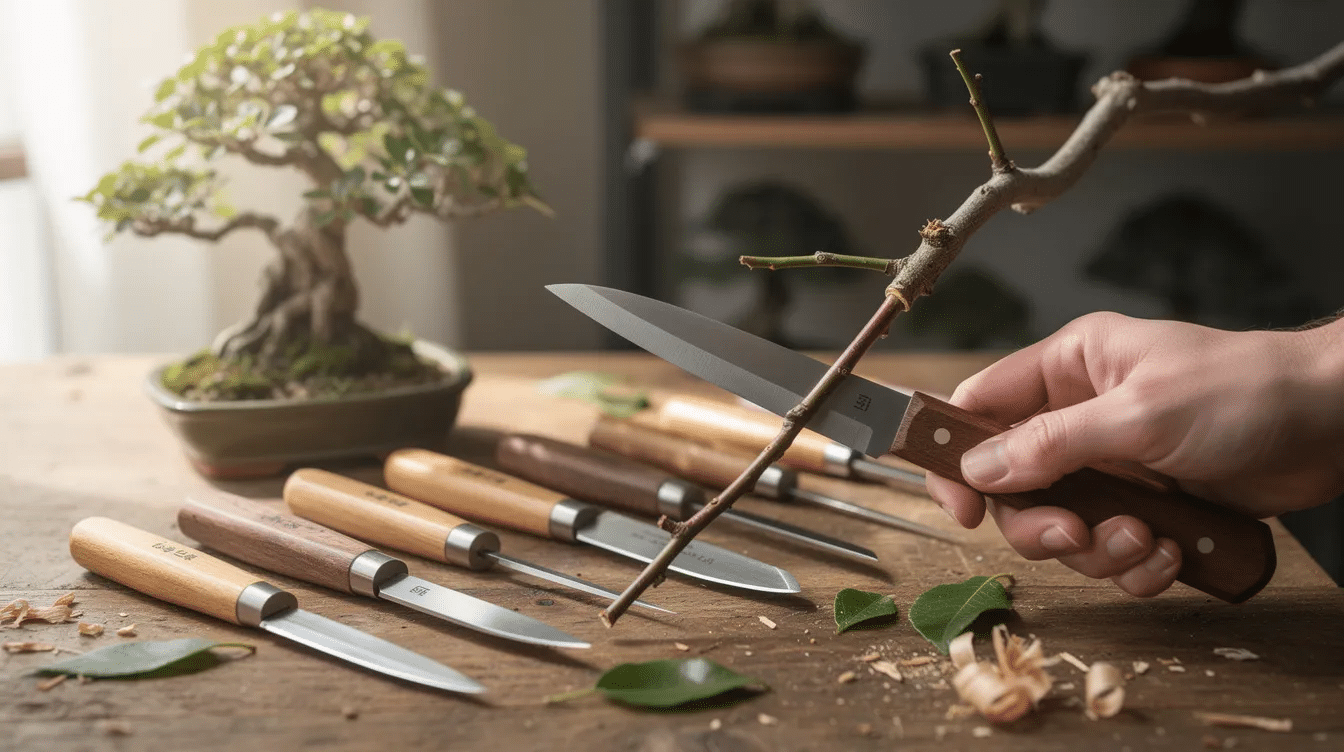
Specialized grafting knives serve a distinct purpose: making clean cuts that promote quick healing in plants, and a sharp, well-forged blade is essential for producing the precise cut needed for successful grafting. Professional bonsai artists, home gardeners, and arborists find these tools indispensable for precision grafting work.
Well-forged Japanese steel construction maximizes sharpness for fresh, clean cuts that prevent damage to delicate plant tissue. Whether you’re beginning your bonsai journey or have years of experience, these knives are must have items for achieving beautiful bonsai art through expert cutting techniques.
Choose the Right Knife for Your Hand and Skill Level
The right knife design enhances your woodworking precision and reduces hand fatigue during extended use.
For Right-Handed Woodworkers
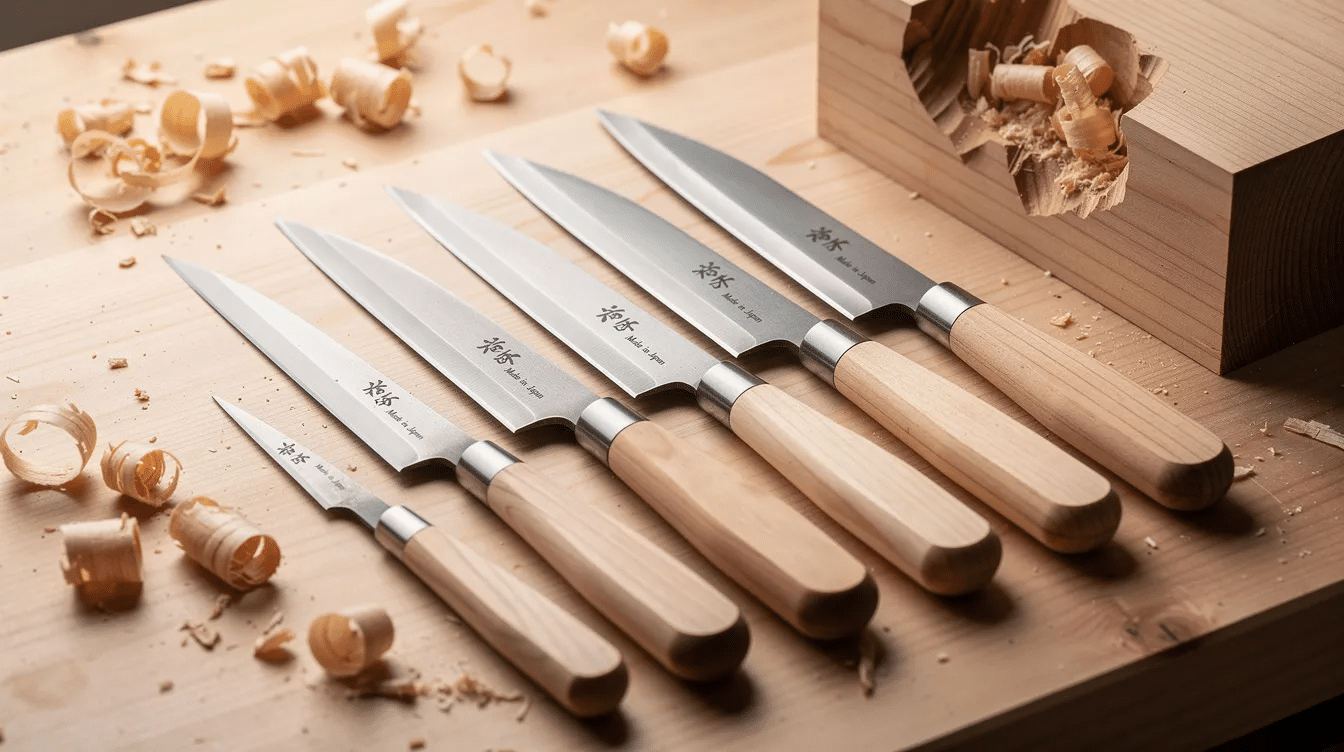
Traditional right-handed kiridashi knives feature a single bevel ground specifically for right-hand use. The ergonomic design provides a natural grip and cutting angle that allows right-handed users to work with greater control.
Available in multiple sizes from 12mm to 24mm, these knives suit different project requirements. Professional-grade construction makes them suitable for both beginners and experienced craftsmen seeking quality tools manufactured in Japan.
For Left-Handed Craftsmen
Left-handed woodworkers deserve the same precision as their right-handed counterparts. Specially crafted left-handed versions feature a reversed bevel for proper cutting geometry that matches natural hand movement.
Ergonomically designed handles ensure comfort and precision throughout extended work sessions. These knives receive the same high carbon steel construction and attention to detail as right-handed models. The popular 18mm size is in stock, with additional options available for specialized needs.
For Beginner to Professional Use
Entry-level knives offer excellent control and precision for woodworking newcomers stepping into traditional Japanese techniques. Professional-grade options feature superior steel quality and edge retention for demanding applications.
All knives maintain traditional Japanese craftsmanship standards regardless of skill level—the commitment to quality remains consistent. Curved blade options are available for specialized carving techniques, offering customers more choices in their process of finding the perfect tool.
Size Selection Guide (12mm to 24mm)
Selecting the correct size directly impacts your work quality:
- 12mm and 15mm sizes prove ideal for intricate detail work and fine marking tasks where precision matters most
- 18mm size offers versatile performance for most general woodworking applications—a popular choice among customers
- 21mm and 24mm sizes provide robust cutting power for heavier carving work and scoring larger pieces
- Size selection should match project requirements and user hand size for optimal control and comfort
Premium Japanese Steel and Craftsmanship
Authentic Japanese carpenters knives feature the finest steel compositions and traditional forging methods for exceptional performance. Experts and craftsmen agree on the superior quality and heat treatment of these knives, reinforcing their reputation, in the same way that high-performance Takamura kitchen knives are celebrated for their balance of sharpness, durability, and craftsmanship in culinary work.
White Steel (Shirogami) Construction
Shirogami White Steel #2 provides excellent sharpness and ease of sharpening that craftsmen have valued for generations. This pure carbon steel composition allows for extremely fine edge geometry and cutting precision that Western steels rarely match.
White steel remains a traditional favorite among Japanese craftsmen for its predictable performance characteristics. Of course, this quality steel requires proper care and maintenance to prevent rust and maintain edge quality over time.
Blue Steel for Enhanced Durability
Blue Steel construction offers superior edge retention compared to white steel alternatives. While slightly more brittle, it holds sharp edges longer during extended use—a significant advantage for professionals.
Preferred by experienced woodworkers who need consistent cutting performance, Blue Steel benefits from hard heat treatment that enhances durability. Sharpening requires more time but results in an edge that serves longer between maintenance sessions.
Hand-Forged by Master Craftsmen
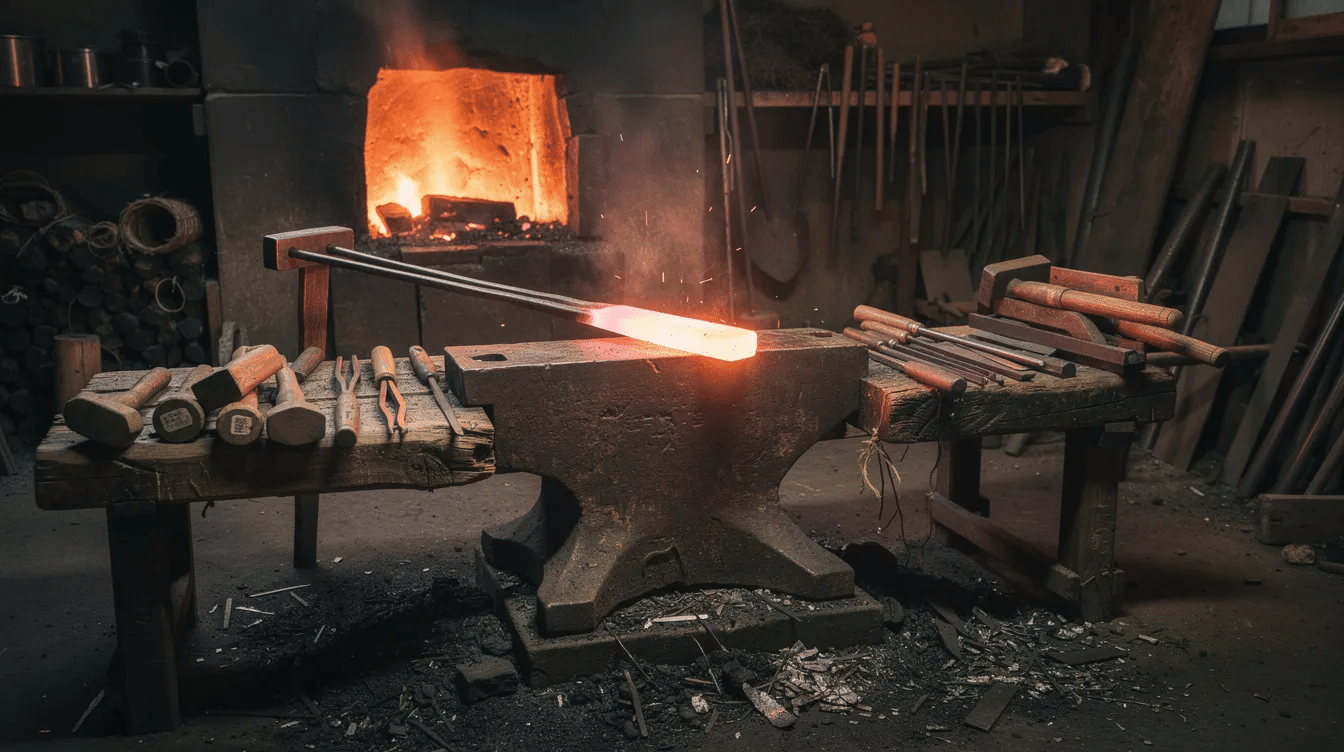
Each knife is crafted entirely in-house by certified Japanese craftsmen (dentou-kougeishi) who have dedicated decades to perfecting their steel workmanship. Traditional forge-welding techniques join hard steel cores with softer cladding materials, creating a blade that combines the beauty of Japanese metalwork with practical durable performance.
No pre-clad barstock is used in this process—all cladding is forge-welded by individual makers for quality control. This commitment to traditional methods ensures consistent quality and performance that machine-manufactured knives simply cannot replicate.
How to Use and Maintain Japanese Carpenters Knives
Proper technique and maintenance ensure your Japanese carpenters knife performs at its peak for years of woodworking projects.
Proper Cutting and Marking Techniques
Use controlled pressure and smooth strokes for precise marking and scribing work. Single-bevel knives require specific cutting angles to achieve optimal performance—the flat back should run along your straight edge while the beveled side faces the waste material.
Keep the blade perpendicular to your work surface for accurate straight-line cuts and marks. Practice proper grip and hand positioning to maintain control during detailed work. With time and practice, the kiridashi knife becomes a natural extension of your hand.
Sharpening and Care Instructions
Clean and dry your blade thoroughly after each use to prevent oxidation and rust on the high carbon steel surface. Apply a light coating of camellia oil for long-term storage, especially on carbon steel blades that react to moisture.
Sharpen regularly using traditional Japanese water stones for best edge quality—common progression moves from 1000 grit through 3000 and 6000 for maintenance. Maintain proper bevel angles during sharpening to preserve original cutting geometry and the knife’s exceptional sharpness.
Shop Authentic Japanese Carpenters Knives Online
Explore our curated collection of traditional Japanese carpenters knives from renowned makers and certified craftsmen. Choose from kiridashi utility knives, folding models, and specialized bonsai tools in various sizes and steel types to find the perfect match for your work.
Check our website page to order your selection. Each product represents generations of Japanese tradition and craftsmanship, offering you the opportunity to bring authentic quality into your workshop.
Your perfect Japanese carpenters knife is just a click away.
