
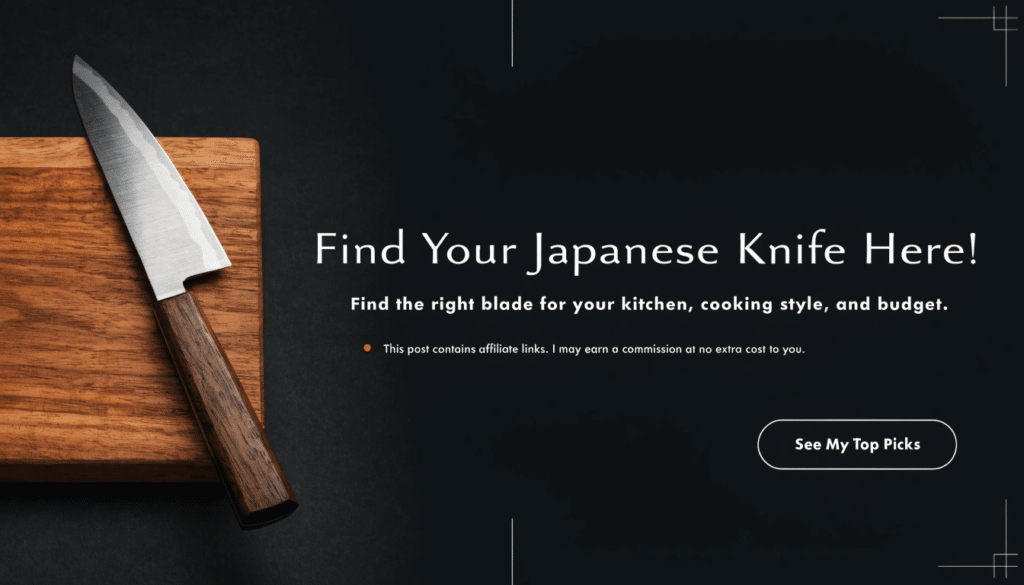
A kitchen samurai knife represents a modern category of high-performance blades that blend traditional Japanese sword-making principles with contemporary metallurgy optimized for culinary tasks. These knives combine Japanese-style steel, ultra-sharp edges at 13-15° angles, and ergonomic handles designed to serve both home cooks and professional chefs who demand precision in every cut.
Contemporary samurai-style japanese kitchen knives became widely popular from around 2010 onward, driven by surging global interest in Japanese cuisine like sushi preparation and the pursuit of exceptional performance in the kitchen.
Key benefits at a glance:
- Exceptional sharpness that holds through hundreds of cuts
- Edge retention lasting 2-3 times longer than typical Western knives
- Precision slicing that minimizes food cell damage
- Beautiful knives with iconic aesthetics that stand out on any counter
This article covers steel types, blade shapes, handle designs, maintenance practices, and how to choose the right kitchen samurai knife for your specific tasks.
- Samurai Heritage and the Evolution into Kitchen Knives
- Japanese Knife Steel in Samurai-Style Kitchen Knives
- Iconic Blade Designs for Kitchen Samurai Knives
- Blade Geometry, Edge Angles, and Cutting Performance
- Handles, Balance, and Ergonomics of Samurai Kitchen Knives
- Signature Features of Modern Kitchen Samurai Knives
- How to Choose the Right Kitchen Samurai Knife
- Caring for Your Kitchen Samurai Knife
- Conclusion: Bringing Samurai Precision into Your Kitchen
Samurai Heritage and the Evolution into Kitchen Knives
The history of these blades traces back over 800 years to Japan’s feudal eras, when craftsmen forged katana and wakizashi using layered high-carbon tamahagane steel. After the Meiji Restoration in 1868, when sword-bearing was banned, master swordsmiths pivoted their skills toward tool and knife creation, preserving centuries of tradition in a new form.
This evolution maintained the craftsmanship and detail that defined samurai weaponry. Cities like Seki City in Gifu Prefecture and Sakai in Osaka—both with 700+ years of blade-making history—became the world’s premier knife-making hubs, producing over 80% of Japan’s kitchen knives today.
Samurai sword principles now applied to cutlery:
- Perfect balance between blade and handle
- Controlled hardness gradients for resilient edges
- Razor sharpness achieved through meticulous polishing
- Deep respect for material purity and honor in creation
Japanese Knife Steel in Samurai-Style Kitchen Knives
Steel selection forms the performance cornerstone of any kitchen samurai knife. The combination of hardness, toughness, and corrosion resistance determines how the blade performs in real cooking scenarios.
Common steels in samurai kitchen knives:
Steel Type | Rockwell (HRC) | Best For |
|---|---|---|
VG-10 | 59-61 | Rust-proof durability, home cooks |
AUS-8/AUS-10 | 58-60 | Beginners, good toughness |
Aogami (Blue Paper) | 62-65 | Maximum sharpness, patina lovers |
Shirogami (White Paper) | 63-66 | Surgical precision, reactive |
SG2/R2 | 60-62 | Exceptional wear resistance |
Japanese high carbon steel achieves Rockwell hardness ratings of 58-62 HRC, significantly harder than typical German steel at 56-58 HRC. This means sharper edges but requires more careful handling. |
Many samurai-branded models, including Kyoku’s Samurai Series, use Japanese-style steel cores cladded with softer stainless for durability. Carbon steel develops a protective patina over time, while stainless variants like VG-10 offer easier maintenance for home cooks worldwide, similar to how Takamura knives prioritize stainless and powdered steel performance.
Iconic Blade Designs for Kitchen Samurai Knives
The term kitchen samurai knife describes a style category rather than a single shape. These beautiful knives draw from classic Japanese profiles reimagined with warrior-inspired aggression and precision.
Key blade types in samurai-style collections: For a broader understanding of essential Japanese knife types, it helps to see how each profile excels at different culinary tasks.
- Gyuto (210-240mm): The Japanese chef’s knife for versatile meat, fish, and vegetable work. Its flat bevel and sword-like profile make it the most popular choice.
- Santoku (165-180mm): An all-purpose blade with a shorter, taller design. Perfect for home cooks who prefer rocking cuts on herbs and produce.
- Deba (150-210mm): Thick, heavyweight blade designed for fish butchery and small poultry.
- Kiritsuke (240mm+): Long, aggressive, sword-like profile with dramatic bevels demanding pinch-grip control.
- Utility/Petty (130-150mm): The paring knife equivalent for precision tasks like deveining shrimp or fruit garnishes.
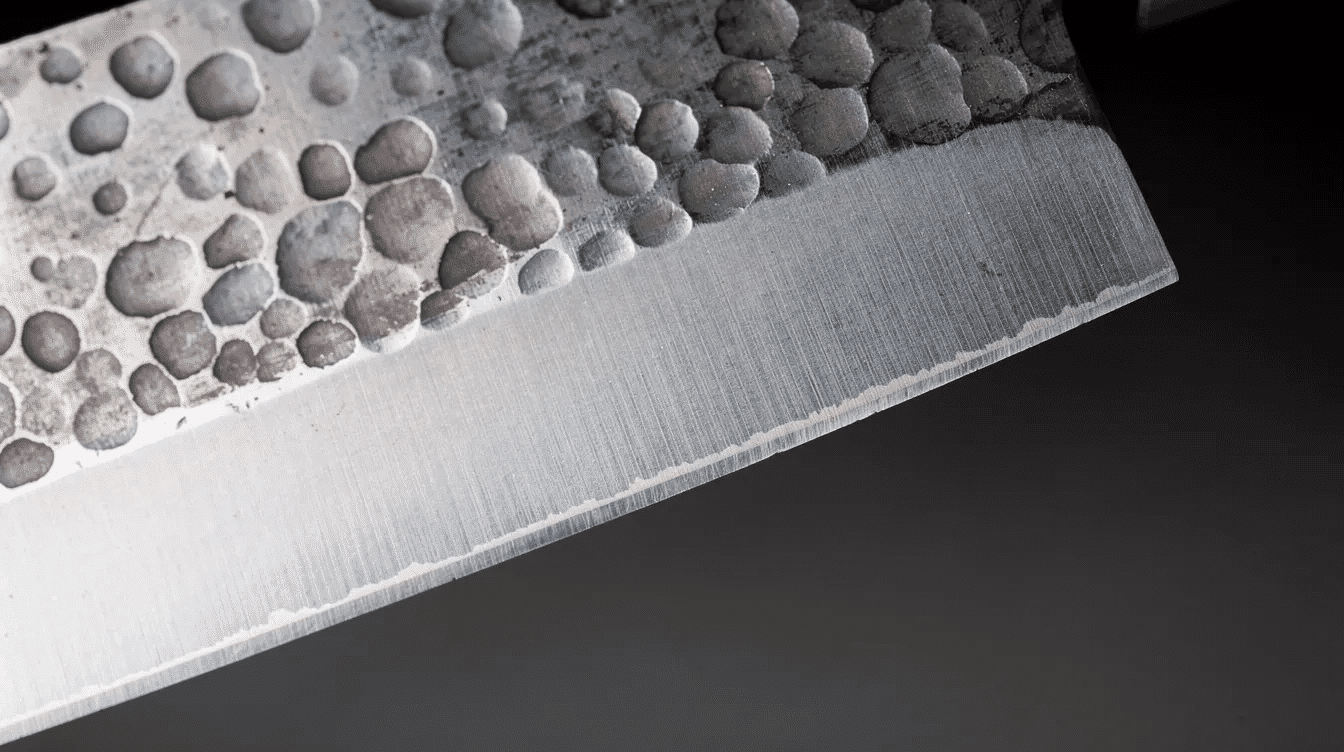
Visual elements include mirror-polished faces, etched patterns mimicking sword hamon lines, and hammered tsuchime finishes that reduce food adhesion by 20-30%.
Deba: The Heavyweight of Samurai-Style Kitchen Knives
The Deba stands as a traditional Japanese single-bevel or thick double-bevel knife designed primarily for breaking down whole fish. With a thick spine of 5-8mm near the heel and forward weight distribution, it delivers controlled leverage through scales, bones, and cartilage.
Outside Japan, the Deba remains a niche blade, but it’s essential for cooks who frequently prepare whole fish or game. Its samurai appeal comes from purposeful heft and precision—a compact, single-purpose blade adapted for kitchen work that demands both passion and skill.
Blade Geometry, Edge Angles, and Cutting Performance
Samurai-style kitchen knives use thinner grinds and sharper edge angles than Western chef’s knives, delivering extremely clean cuts with minimal food damage. This art of precision cutting separates them from standard cutlery.
Edge specifications:
- Double-bevel angles: 13-15° per side (vs. 20° on Western knives)
- Single-bevel angles: 10-12° for specialized Japanese styles
- Blade thickness: 0.2-0.4mm behind the edge
The combination of flat or slight convex grinds mirrors sword polishing techniques, reducing wedging and friction during slicing. Hollow Granton scallops trap air pockets, reducing sticking by 40% on moist foods like cucumbers and salmon.
This thinner geometry requires soft cutting boards—end-grain wood works best—to prevent micro-chipping on hard surfaces.
Cryogenic Treatment and Advanced Heat-Treating Methods
Modern samurai-style blades benefit from advanced heat-treat processes that would impress even traditional craftsmen. Cryogenic treatment involves deeply cooling steel to -196°C using liquid nitrogen, transforming retained austenite into martensite.
Benefits for the cook:
- 15-25% improved wear resistance
- 1-2 HRC increase in hardness
- Better edge stability across the complete blade
- More consistent cutting performance
This process conceptually mirrors the samurai smiths’ traditional obsession with creating hard, resilient blades—a modern continuation of that centuries-old pursuit.
Handles, Balance, and Ergonomics of Samurai Kitchen Knives
The handle and balance matter as much as the blade, especially for professional chefs working long prep sessions. Proper ergonomics ensure comfort and reduce fatigue during extended use.
Common handle materials:
- Pakkawood handle: Stabilized wood with moisture resistance and traditional aesthetics
- Micarta/G10: Composite materials offering rugged, grippy performance even wet
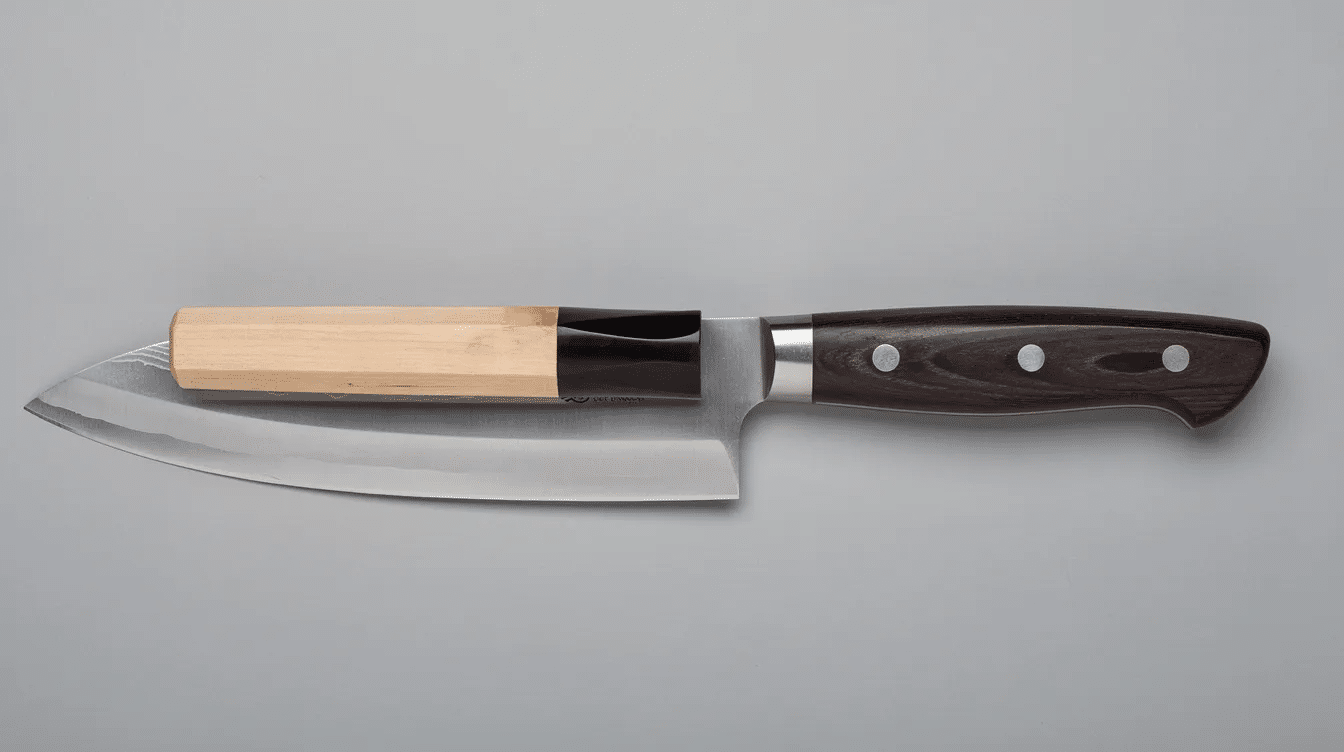
- Wa-handles: Traditional Japanese style from magnolia or ho wood (50-70g), promoting pinch grips
Western-style full-tang handles weigh 80-100g heavier, providing power for chopping. Lightweight wa-handles offer blade-forward balance for finesse work. Ergonomic features like tapered spines and rounded choils ensure comfort during marathon prep sessions.
Full-Tang Construction and Durability
Full-tang construction means the steel extends the complete length of the handle, not just partially inserted. This design reduces handle separation risk by 90% under heavy use.
Practical benefits:
- Improved strength for heavy cutting tasks
- Better weight distribution and control
- Greater confidence when dicing through dense vegetables
The Dynasty Series Samurai utility knife, for example, features full-tang construction that endures years of daily use without loosening or handle damage—a sign of quality that buyers should look for.
Signature Features of Modern Kitchen Samurai Knives
Samurai-style kitchen knives combine performance upgrades with visual details that make them gift-worthy and a pleasure to use. These features aren’t purely decorative—they enhance real-world cooking.
Signature elements:
- Granton edges: Hollow scallops reducing sticking for smoother slices
- Tsuchime finishes: Hammered textures reducing drag, recalling hand-forged sword work
- Layered damascus patterns: 64+ layers resembling katana hada while dispersing stress
- Branded series names: “Samurai,” “Shogun,” and “Daimyo” evoke warrior culture and inspire culinary creativity
These details offer both aesthetic beauty and practical benefits—smoother cuts, less suction, and easier cleaning.
Clean Cuts and Food Release
Clean, smooth cuts matter in real cooking: better texture, more precise plating, and preserved cell structure in vegetables. Ultra-sharp edges combined with polished faces help food release cleanly without clinging.
Practical examples:
- Slicing ripe tomatoes without crushing or juice loss
- Cutting dense butternut squash yielding 15% firmer roasts
- Preparing steak with perfect, even slices
- Sashimi cuts preserving omega-3 integrity in raw fish
Home cooks widely appreciate how these blades transform simple prep into satisfying, precise work.
How to Choose the Right Kitchen Samurai Knife
The best kitchen samurai knife depends on your cooking style, knife skills, and maintenance habits. Wrong choices waste money; right choices elevate your entire cooking life.
Decision factors:
Factor | Beginner Choice | Advanced Choice |
|---|---|---|
Blade length | 210-215mm gyuto | 240mm+ kiritsuke |
Steel type | Stainless (VG-10) | High carbon (Aogami) |
Handle style | Western full-tang | Lightweight wa-handle |
Budget | $150-300 | $400+ |
Beginners should introduce themselves to samurai-style cutting with a versatile gyuto or santoku in stainless steel, then add specialty blades later. Always purchase from reputable brands that disclose steel types, Rockwell hardness ratings, and construction details. Visit stores where you can feel the perfect balance before buying. |
Kitchen Samurai Knife Sets vs Single Knives
Buying a full samurai-style knife collection offers cohesive design and better value per knife, with matching storage shipped together. A 3-piece starter set covers most tasks immediately.
However, single knife benefits include:
- Investing more in one exceptional blade
- Tailoring choices to specific cooking needs
- Experimenting with different steels and makers
Many customers start with a flagship gyuto as their first upgrade, then adjust their collection based on how their skills develop.
Caring for Your Kitchen Samurai Knife
Proper care protects the blade’s edge, prevents stains, and extends your knife’s life for years. Maintain these habits and your investment stays sharp.
Daily care basics:
- Hand-wash only with mild soap and warm water
- Dry immediately with a soft towel
- Store in a sheath, saya, or on a magnetic strip (edge up)
Sharpening guidance:
- Use whetstones (1000/3000 or 1000/6000 grit) to maintain 13-15° edges
- Avoid pull-through sharpeners that chip hard steel
- Consider professional sharpening once or twice yearly
For high carbon blades: wipe during use, avoid long soaks, and lightly oil before storage. Proud knife owners hope their blades last decades—proper care makes that window of exceptional performance a reality.
Common Mistakes to Avoid
Misusing a samurai-style knife can quickly damage the blade and shorten its lifespan. Here’s what to adjust in your kitchen habits:
Mistake | Why It’s Harmful | Better Alternative |
|---|---|---|
Glass/marble cutting boards | Chips fine edges instantly | Use end-grain wood or quality plastic |
Prying frozen foods | Snaps thin tips | Use dedicated cleavers |
Drawer storage | Edge chips on utensils | Use magnetic strips or sheaths |
Dishwasher cleaning | Rust blooms within 24 hours | Hand-wash and dry immediately |
Conclusion: Bringing Samurai Precision into Your Kitchen
Kitchen samurai knives fuse centuries-old Japanese swordcraft principles with modern metallurgy and ergonomic design, creating tools that transform everyday cooking. The combination of razor-sharp performance, durable steel, precise control, and striking aesthetics makes cooking feel more intentional—and far more enjoyable.
Start with a single well-chosen blade that suits your current skill level. As your confidence grows, expand your collection to match your evolving culinary ambitions.
Investing in a quality kitchen samurai knife isn’t just a purchase—it’s a commitment to crafted excellence that will elevate your home cooking in 2026 and beyond. The samurai spirit lives on, one precise cut at a time.
