
When it comes to detailed cutting and in-hand work, few tools match the finesse of a Japanese paring knife. This compact blade bridges the gap between Western paring traditions and Japanese knifemaking precision, offering home cooks and professionals a great little knife for tasks that demand fingertip control.
- Quick Answer: What Is a Japanese Paring Knife?
- What Makes a Paring Knife “Japanese”?
- Features and Uses of a Japanese Paring Knife
- Japanese Paring Knife vs Petty, Utility & Fruit Knives
- How to Choose the Right Japanese Paring Knife
- Using a Japanese Paring Knife Safely and Efficiently
- Care, Sharpening, and Maintenance
- Building a Japanese Knife Set Around Your Paring Knife
Quick Answer: What Is a Japanese Paring Knife?
A Japanese paring knife is a compact blade measuring 80–100mm (roughly 3.5–4 inches) designed specifically for in-hand peeling, trimming, and decorative cuts on fruits and vegetables. It combines the familiar dimensions of Western paring knives with Japanese steel hardness and acute edge geometry, resulting in very fine, precise work that larger blades simply cannot achieve.
This knife typically serves as the smallest tool in a Japanese kitchen lineup, complementing a gyuto or santoku for larger prep tasks. The pointed tip and small blade make it ideal for work that requires rotating ingredients in your non-dominant hand while making controlled cuts above the cutting board.
Common use cases include:
- Peeling apples, potatoes, and kiwis
- Coring strawberries and tomatoes
- Trimming garlic and shallots
- Deveining shrimp
- Creating decorative cuts for bento-style plating
- Removing eyes from potatoes
- Segmenting citrus fruits
What Makes a Paring Knife “Japanese”?
A generic Western paring knife typically uses softer stainless steels around 56–58 HRC with broader edge angles of 20 degrees per side. Japanese paring knives, by contrast, leverage harder steels reaching 60–62 HRC (or higher with carbon steel), paired with acute edge angles of 12–15 degrees per side. This combination yields edges that stay sharper longer and slice with minimal cell damage to produce cleaner cuts on delicate produce.
Steel options commonly found in Japanese knives include:
- VG-10: A cobalt-enhanced stainless steel known for corrosion resistance and excellent edge retention
- AUS-8: A budget-friendly stainless option with good toughness
- Blue Paper (Aogami) Super: Carbon steel reaching 64–65 HRC for exceptional sharpness, but requiring vigilant rust prevention
- White Paper (Shirogami) #1: Pure carbon steel delivering peerless edge refinement with reactive properties
Handle styles further distinguish Japanese options. Traditional wa-handles—crafted from magnolia (ho wood), Japanese oak, or rosewood in octagonal or D-shaped profiles—promote a pinch grip for enhanced tactile feedback during intricate work. Western-style yo-handles feature full-tang construction with rivets, offering a more streamlined, ambidextrous hold that some prefer for prolonged use.
Most paring knives from Japanese makers adopt double-bevel edges for ambidextrous versatility, unlike single-bevel Japanese slicers such as usuba or yanagiba that you’ll encounter when exploring essential Japanese knife types. Many incorporate subtle convex or hamaguri (clamshell) grinds and hand-sharpened finishes that minimize food sticking and enhance push-cut precision.
Features and Uses of a Japanese Paring Knife
Japanese paring knives prioritize ergonomic control for in-hand operations rather than leverage on a board. The blade shape and lightweight construction (typically 40–60g) enable fatigue-free precision during extended prep sessions, making them essential for tasks demanding sub-millimeter accuracy.
Blade size and shape characteristics:
- Blade length typically ranges from 80–100mm, with many popular models at 90mm
- Pointed tip enables piercing, coring, and scoring
- Options include straight blade edges for stabbing precision or gently curved bellies for continuous peeling motions
- Thin stock (often 1.5–2mm spine thickness) allows delicate maneuvering
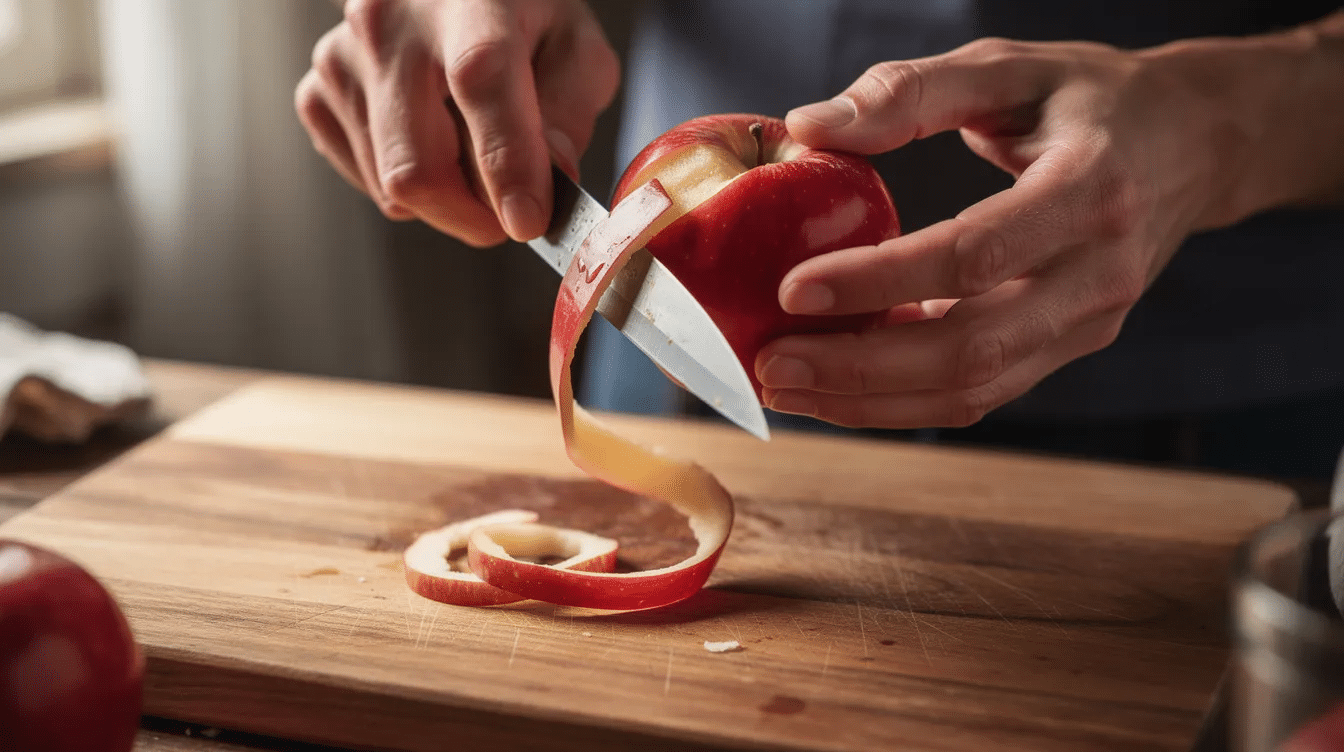
The primary use of a Japanese paring knife centers on in-hand work. This means holding the ingredient in your non-dominant hand while rotating it against the blade, providing 360-degree access that board-based chopping cannot match.
Concrete applications include:
- Peeling fruits like apples and kiwis in controlled arcs
- Coring by inserting the tip under a strawberry hull and twisting to remove it cleanly
- Deveining shrimp with a shallow dorsal incision
- Trimming silverskin from small meat pieces
- Scoring mushroom caps for decorative plating
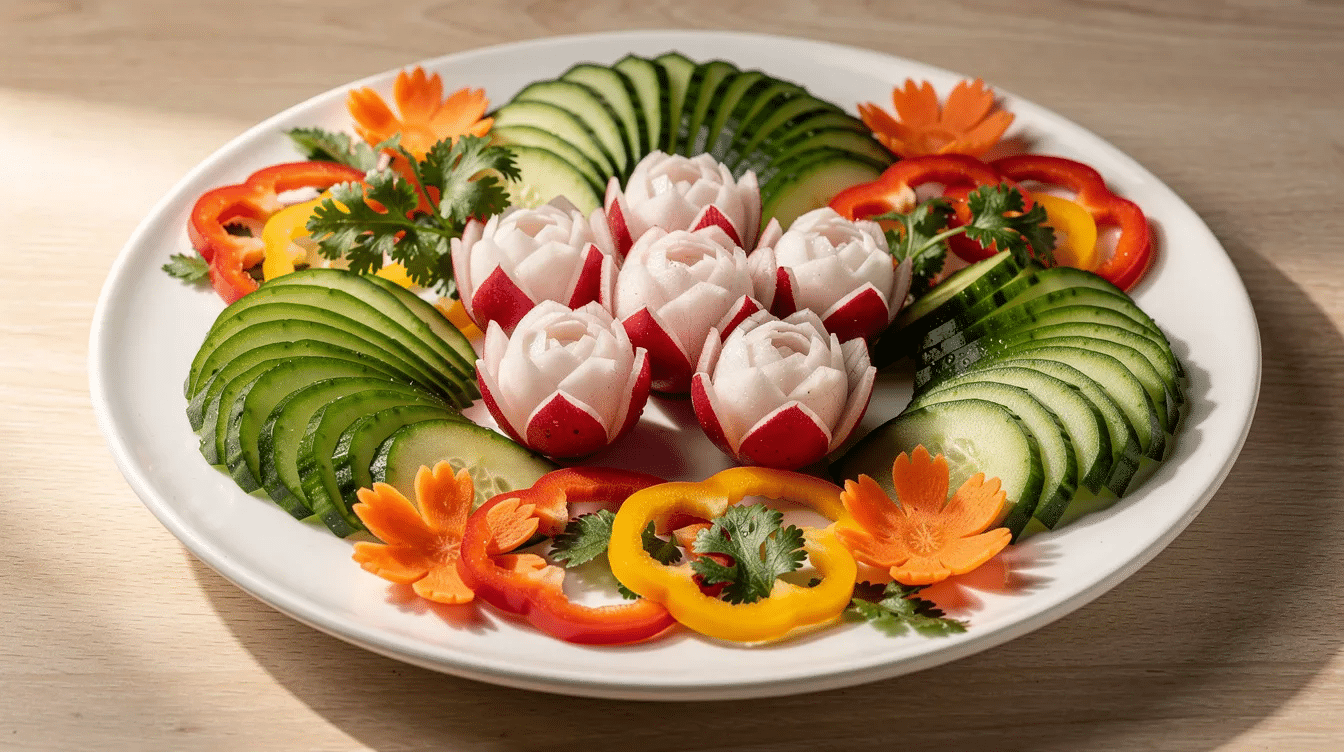
- Creating vegetable garnishes through layered scoring and folding
- Removing tomato stems by circling with the tip
This versatile knife excels at detail work where larger blades feel clumsy. Tasks like cutting vents in pie dough, turning vegetables into tourne shapes, or crafting radish flowers require the fingertip intimacy that only a paring knife provides.
Japanese Paring Knife vs Petty, Utility & Fruit Knives
Many small knives overlap in size, but their ideal roles differ based on blade length, shape, and intended technique. Understanding these distinctions helps you select the right paring knife for your needs and avoid redundancy in your collection.
Paring vs Petty Knife: A petty knife typically measures 120–150mm with a more triangular, narrow profile resembling a small chef’s knife. It excels at board work—slicing garlic bulbs, cutting shallots, or trimming thin strips from meats. The Japanese paring knife (80–100mm) trades reach for intimacy, serving precise tasks like peeling and intricate detail that demand fingertip control above the cutting board.
Paring vs Western Utility Knife: The utility knife (often 120–150mm) functions as a general-purpose slicer for sandwiches, small roasts, and larger fruits. While versatile, it lacks the fine edge geometry and compact dimensions needed for close in-hand work. Think of it as a bridge between paring and chef’s knife rather than a precision tool.
Paring vs Fruit Knife: Fruit knives share similar dimensions with paring knives but sometimes feature thinner, more flexible blades. Some include serrated or semi-serrated edges designed specifically for citrus and soft-fleshed fruits to prevent tearing. They sacrifice durability and general utility for specialized slicing meats of delicate produce.
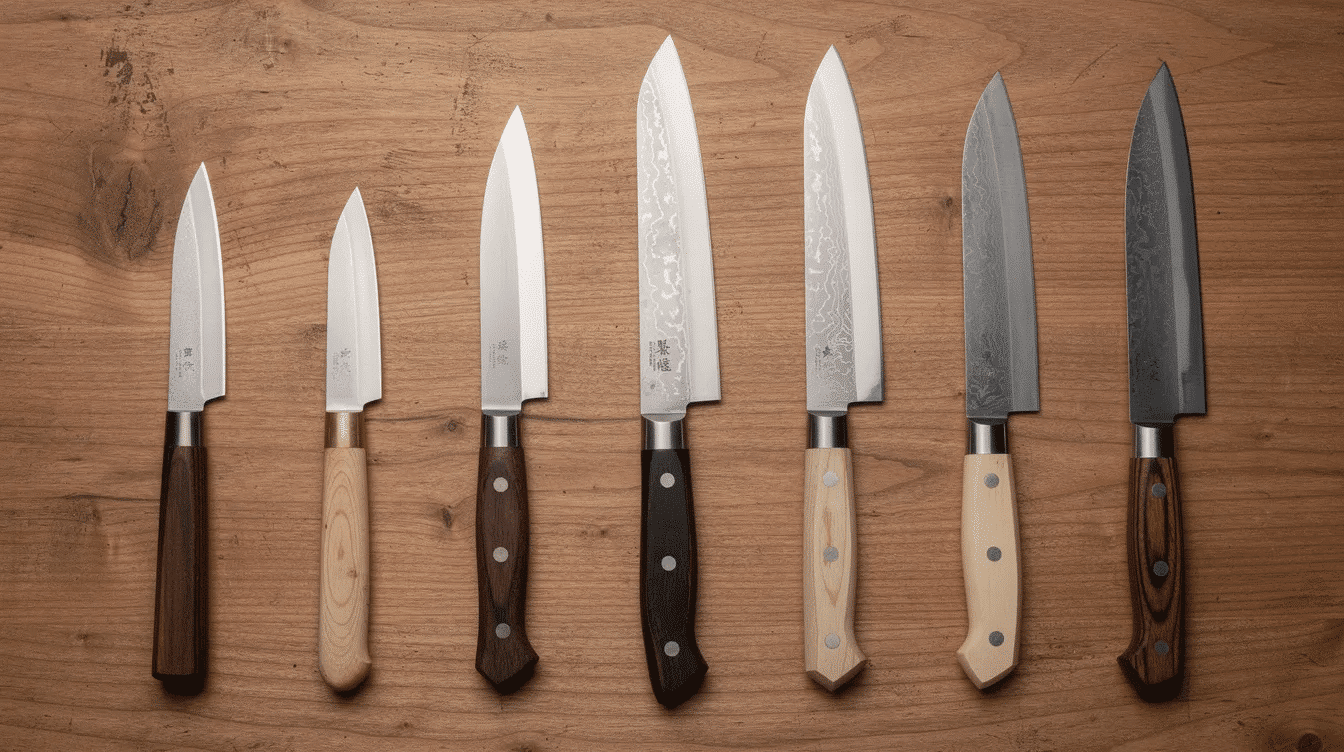
For building a small Japanese knife set, consider pairing a 90mm paring knife with a 150mm petty and either a 210mm gyuto or 165–180mm santoku. This trio covers nearly all home cooking tasks efficiently.
How to Choose the Right Japanese Paring Knife
Fit and comfort matter as much as steel quality for such a small, precise tool. Match your knife selection to hand size, typical tasks, and maintenance preferences to find a suitable companion for detailed cutting.
Blade Length:
Hand Size / Use Case | Recommended Length |
|---|---|
Small hands or mostly peeling | 80–90mm |
Versatile use including light board work | 90–100mm |
Decoration-focused work | 80–85mm |
Blade Shape: Straight-edge, pointed-tip blades maximize precision for coring and trimming tasks. Gently curved edge profiles allow light rocking motions and more comfortable continuous peeling. Consider which tasks dominate your cooking style. |
Steel Choice: Stainless high-carbon steels like VG-10 or AUS-8 offer rust resistance and easier maintenance—suitable for most home cooks who want a sharp knife without constant vigilance. Carbon steel options deliver peerless sharpness and develop attractive patina over time, but demand immediate drying to avoid rough pitting.
Handle Type and Size: Smaller, slimmer wa-handles with wooden handles suit detailed fingertip holds and pinch grips. Chunkier yo-handles may feel more stable for users with larger hands or those preferring a hammer grip. Consider your natural grip style when evaluating options.
Weight and Balance: Lightweight knives (around 40–60g) feel nimble for intricate work. Slightly heavier options can feel more stable but risk hand fatigue during extended sessions. Handle-heavy balance promotes nimble pivots for in-hand techniques.
What to look for on a product page:
- Specific blade length in millimeters
- Steel type with hardness rating (e.g., “VG-10 core, 61 HRC”)
- Edge angle specifications (look for 12–15° per side)
- Handle material and shape
- Total weight in grams
Using a Japanese Paring Knife Safely and Efficiently
In-hand cutting requires proper technique, especially given the exceptional sharpness of Japanese blades. The acute edge angles that make these knives effective also demand respect and control.
Grip Techniques: The pencil grip positions your index finger on the spine for guidance, middle finger at the choil (blade-handle junction), with thumb opposing on the belly. This provides maximum control for detailed work. Always curl non-dominant fingertips into a claw to shield them from the edge, ensuring a secure grip throughout the cut.
In-Hand Peeling: Hold the ingredient (apple, potato, kiwi) in your non-dominant hand. Rotate it slowly while drawing the blade in shallow, 1–2mm passes. Work in short, controlled strokes rather than attempting long continuous peels. This technique keeps the blade under control while efficiently removing skin without gouging flesh.
Precision Tasks:
- Coring strawberries: Pierce the hull at an angle, twist 180°, and lift out the core intact
- Removing tomato stems: Circle the stem with the tip, apply gentle pressure, and pop out the plug
- Deveining shrimp: Make a shallow dorsal slit from head to tail, then rinse away the tract
- Trimming silverskin: Stretch the membrane taut, slice parallel at a 45° angle
On-Board Tasks: Use your paring knife on the board for mincing garlic in a pinch grip or slicing small chili peppers. For volume work or larger small vegetables, switch to a petty knife or santoku for safety and efficiency.
Safety Considerations:
- Sharpen regularly—dull edges require force and invite slipping
- Always cut away from your palm
- Avoid hard items (frozen foods, bones, thick squash) that risk chipping the fine edge
- Never pry or twist with the blade
Care, Sharpening, and Maintenance
Japanese paring knives benefit from simple but consistent care. The thin, hard edges that deliver exceptional sharpness also require attention to prevent damage.
Cleaning: Hand-wash immediately after use with mild detergent and warm water. Never place Japanese knives in a dishwasher—caustic salts erode edges at 1–2 microns per cycle, and jostling damages the fine point. Dry thoroughly with a towel, paying special attention to the handle–blade junction where moisture can cause material degradation.
Storage: Protect the edge from contact with other knives or hard surfaces. Options include:
- Blade guards or saya (wooden sheaths)
- Magnetic knife strips
- Dedicated slots in knife blocks
- In-drawer organizers with blade protection
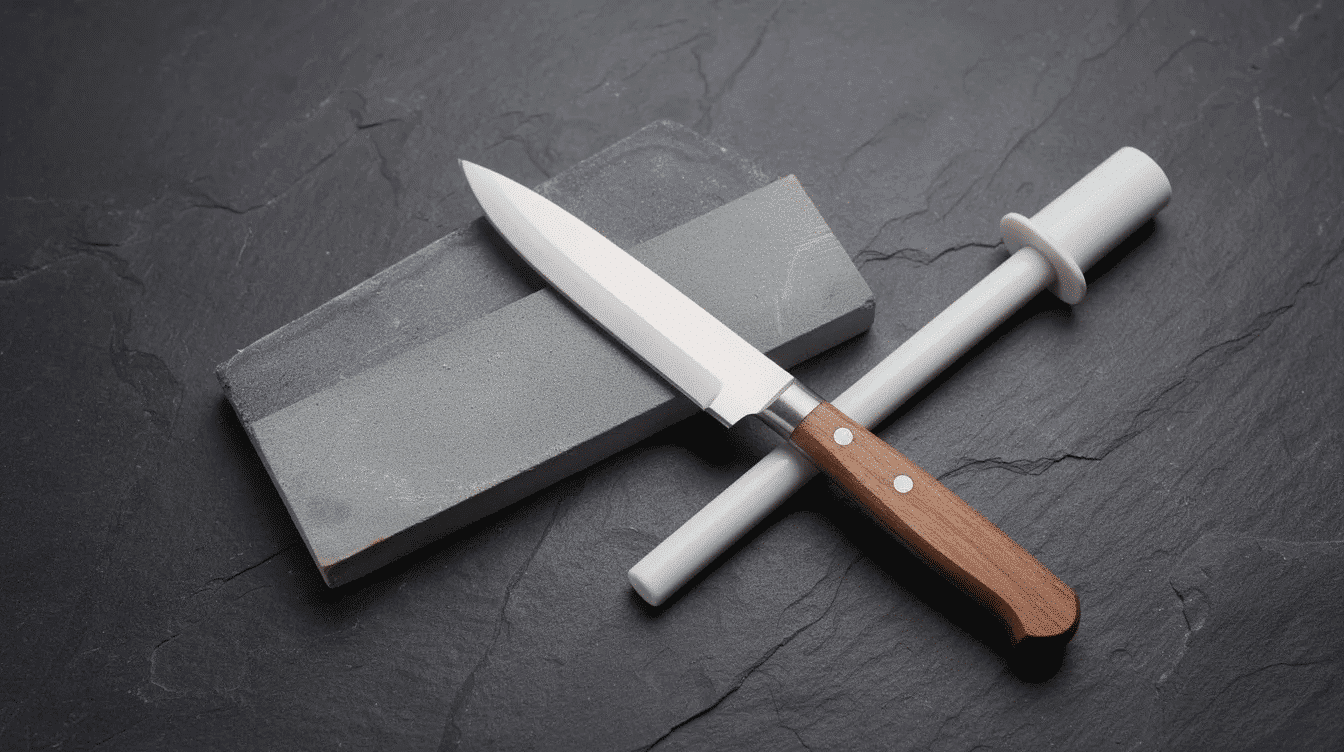
Sharpening: Use a medium-grit whetstone (1000–2000 grit) for general sharpening and a finer stone (3000–6000 grit) for refining. Maintain edge angles around 12–15° per side, matching the original factory grind. Work in consistent strokes until a burr forms, then refine on the higher grit.
Honing: A ceramic honing rod provides light, regular maintenance without removing material. Avoid aggressive steel rods that may damage harder Japanese steels. Quick passes at 15° before each use keep the edge aligned.
Rust and Patina: Surface rust (orange pitting) must be removed with gentle abrasion or diluted vinegar. Natural patina on carbon steel—a stable gray-blue layer—actually protects the blade and enhances food safety. Stainless steels are more forgiving but still benefit from thorough drying.
Longevity Tips:
- Cut only on wood or plastic boards (glass and granite cause 10x more edge wear)
- Avoid twisting cuts or prying motions
- Never chop through bones or frozen items
Building a Japanese Knife Set Around Your Paring Knife
A Japanese paring knife reaches its full potential as part of a small, well-chosen set rather than a standalone tool. The compact blade handles specific tasks brilliantly but needs larger companions for complete kitchen coverage.
The Core Trio:
Knife Type | Size | Primary Role |
|---|---|---|
Japanese paring knife | ~90mm | In-hand peeling, coring, decorative work |
Petty knife | 120–150mm | Small board tasks, garlic, herbs, small meats |
Gyuto or Santoku | 210mm / 165–180mm | Volume dicing, slicing, general prep |
This combination covers approximately 95% of home cooking tasks. The paring knife claims 20–30% of prep time for detail work, the petty handles 40% of intermediate tasks, and the gyuto or santoku manages bulk chopping and slicing. |
Task Division: Reserve your paring knife for close, in-hand operations—peeling fruits, crafting garnishes, and intricate trimming. The petty bridges board work that feels awkward with larger blades. Your chef’s knife handles volume: dicing onions, mincing herbs in quantity, and breaking down proteins.
Specialty Additions: Once your core trio feels natural, consider adding a nakiri (160–165mm) for vegetable press-cuts or a sujihiki (240–270mm) for slicing roasts and fish. These fill specific gaps based on dietary focus.
Buying Strategy: Start with a good paring knife and gyuto from reputable Japanese makers—Takamura is an excellent example if you value precision and performance-focused knives. Use them for 3–6 months, observing where gaps emerge in your workflow. Add the petty knife when intermediate tasks consistently frustrate you. This approach prevents redundancy and ensures each knife earns its place among your favorite knives.
A versatile knife collection grows organically. Your Japanese paring knife serves as an essential precision instrument—compact, sharp, and crafted for the detailed work that transforms ingredients into refined dishes.
