New York City has become one of the most important markets for Japanese knives outside of Japan. This guide is designed for both professional chefs and passionate home cooks in New York City who want to find the best Japanese knives, sharpening services, and accessories. Whether you’re outfitting a restaurant kitchen or upgrading your home setup, understanding the local market and care requirements will help you get the most from your investment. Japanese knives matter in the New York context because the city’s dynamic culinary scene demands precision, durability, and versatility—qualities that Japanese cutlery is renowned for.
New York City is a major hub for high-quality Japanese cutlery with several world-renowned shops. Whether you are a professional chef working double shifts in Midtown or a home cook in a Brooklyn apartment, the city offers everything from hands-on showroom experiences to expert sharpening services and rapid shipping from local retailers.
This guide covers the essential details you need to find, buy, and maintain Japanese knives in NYC.
- Quick Guide: Best Places for Japanese Knives & Sharpening in New York
- Why Japanese Knives Are Popular in NYC Kitchens
- Why Japanese Knives Are So Popular in New York Kitchens
- Where to Buy Japanese Knives in NYC
- Where to Buy Japanese Knives in New York City
- Japanese Knife Sharpening Services in NYC
- Japanese Knife Sharpening Services in New York
- Popular Types of Japanese Knives in NYC
- Popular Types of Japanese Knives for New York Chefs & Home Cooks
- Top Japanese Knife Picks in NYC
- Example “Top Picks” Inspired by NYC Best Sellers
- Essential Accessories for Japanese Knives in NYC
- Essential Accessories: Boards, Stones, and Tools for Japanese Knives
- How to Choose the Right Japanese Knife in NYC
- How to Choose the Right Japanese Knife in New York
- Caring for Japanese Knives in NYC
- Caring for Japanese Knives in a Busy NYC Lifestyle
- NYC Knife Culture: Chefs, Classes, and Events
- Local Knife Culture: New York Chefs, Classes, and Events
- How to Contact and Visit Japanese Knife Shops in NYC
- How to Contact and Visit NYC Japanese Knife Shops
Quick Guide: Best Places for Japanese Knives & Sharpening in New York
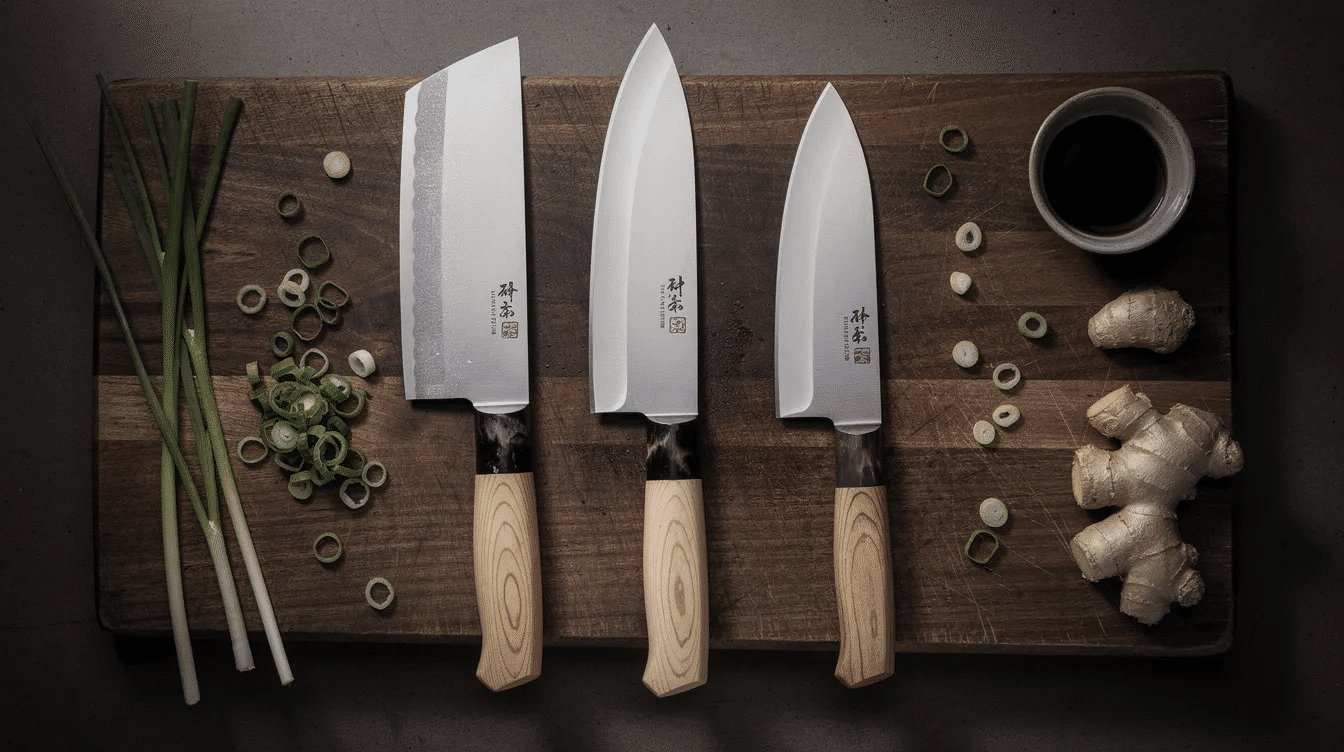
New York City serves as a major hub for Japanese knives, driven by its demanding restaurant scene and diverse home cooking culture. You can find excellent options at Manhattan showrooms like Korin in Tribeca, Brooklyn-based sharpening studios in Greenpoint, and online NYC retailers offering same-day borough shipping.
Where to buy Japanese knives in NYC:
- Manhattan: Tribeca and Lower Manhattan feature established showrooms, some serving professional chefs since the 1980s. Soho offers broader kitchenware selections including Japanese-focused retailers.
- Brooklyn: Greenpoint, Williamsburg, and Gowanus host smaller studios combining retail with sharpening benches, often run by working sharpeners.
- Online NYC-based shops: Local warehouses enable fast shipping across all five boroughs with options for pre-sharpening and handle modifications.
Sharpening services:
- Drop-off services typically quote 3–5 day turnaround as of early 2026
- Some Brooklyn studios offer 2–3 day service depending on workload
- Same-day or 24–48 hour options available by appointment at specialized locations
Price ranges for Japanese knives in NYC:
Tier | Price Range | Examples |
|---|---|---|
Entry-level | $48–$150 | Molybdenum stainless, AUS-8 steels |
Mid-range | $150–$300 | VG-10 damascus, SG2 powdered steel |
High-end | $300+ | Artisanal Blue #2 carbon, hand-forged specialties |
Later sections cover specific knife styles, brand recommendations, and detailed care tips for NYC conditions.
Why Japanese Knives Are Popular in NYC Kitchens
Why Japanese Knives Are So Popular in New York Kitchens
New York’s restaurant ecosystem drives demand for precision tools. With over 70 Michelin-starred establishments as of 2025–2026 concentrated in Midtown, East Village, and Williamsburg, plus hundreds of omakase counters requiring flawless sashimi presentation, Japanese knives have become standard equipment for serious culinary work.
Key advantages driving NYC adoption:
- Harder steel: Japanese knives achieve 60–64 HRC Rockwell hardness versus 56–58 HRC for typical Western stainless, holding edges 10–20 times longer before dulling
- Finer edges: Thinner blade profiles (0.5–1.5mm spine thickness vs. 2–3mm Western) enable razor-sharp 15-degree bevels for precision cuts
- Reduced wedging: Thinner grinds prevent food from sticking during push-cuts, critical during high-volume service
Common styles in New York kitchens:
- Gyuto (180–240mm): All-purpose chef’s knife for line work (The Gyuto is a versatile Japanese chef’s knife, similar to a Western chef’s knife, used for a variety of tasks.)
- Santoku (165–180mm): Versatile three-virtues blade for vegetables, meat, and fish (The Santoku knife is known for its versatility and is suitable for slicing, dicing, and mincing.)
- Petty (120–150mm): Utility knife for garnishes and citrus work
- Nakiri (165mm): Rectangular vegetable cleaver for plant-forward restaurants (The Nakiri knife is specifically designed for cutting vegetables and has a straight edge for precise cuts.)
- Yanagiba (240–270mm): Single-bevel sashimi knife for omakase service (The Yanagiba is a long, thin knife used primarily for slicing raw fish for sushi and sashimi.)
- Deba (150–180mm): Fish filleting with thick heel for breaking down whole fish (The Deba knife is a heavy, thick knife used for butchering fish and poultry.)
Feel differences from Western knives:
Japanese knives typically feature thinner blades with forward balance and traditional wa-handles (octagonal or D-shaped wood) designed for pinch-grip rotation. This lighter construction reduces fatigue during 10+ hour shifts compared to heavier Western full-tang designs.
These tools pair naturally with NYC’s fusion-driven cuisines spanning Italian, French, omakase, modern American, and plant-based fine dining.
Where to Buy Japanese Knives in NYC
Where to Buy Japanese Knives in New York City
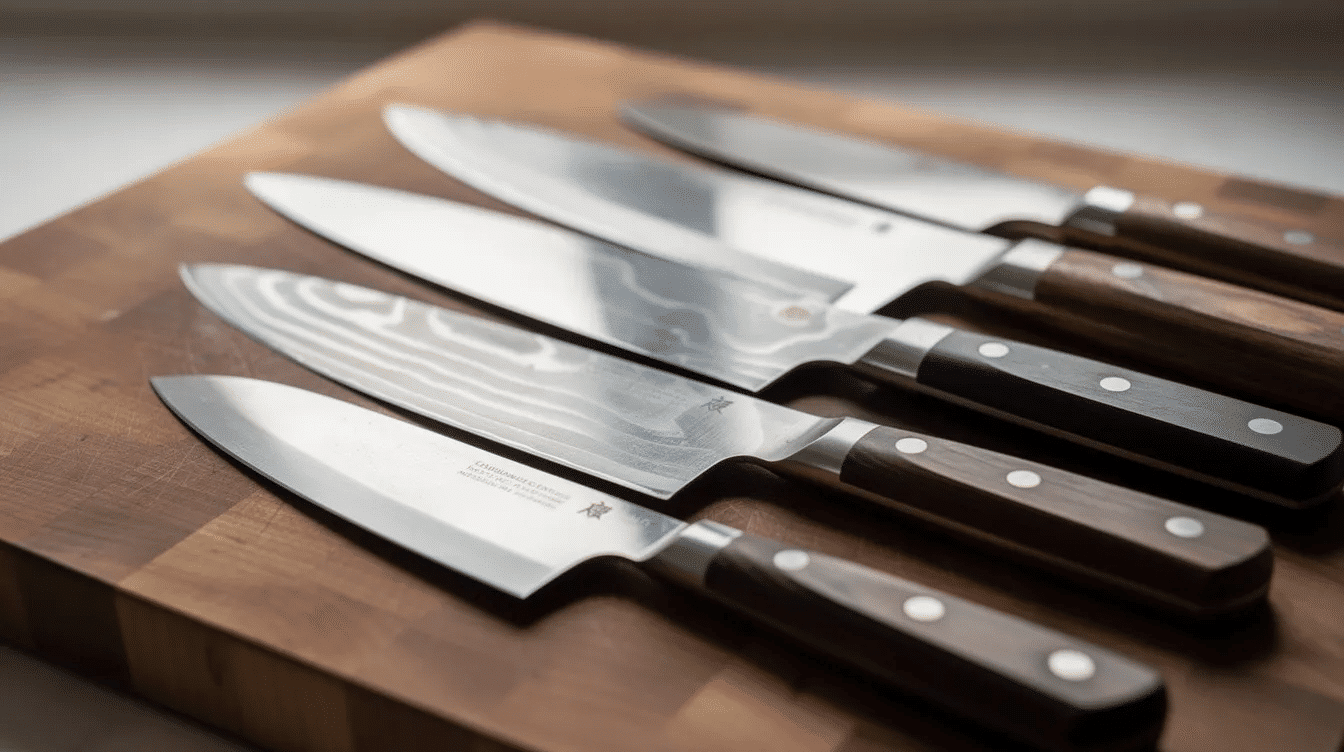
The buying experience varies significantly between Manhattan showrooms, Brooklyn workshops, and online NYC-based retailers. Showrooms let you test grip and balance before purchasing. Studios offer combined retail and sharpening expertise. Online shops provide convenience with local shipping speeds.
Top Japanese Knife Retailers in NYC
If you’re searching for the best places to buy Japanese knives in New York City, consider these top retailers and shops:
- KORIN, Inc: A renowned source for professional quality Japanese knives in New York, serving chefs and enthusiasts with a wide selection and expert staff.
- MTC Kitchen: Offers a curated selection of Japanese knives available for purchase online, making it easy for NYC residents to shop from home.
- YanagiKnife Inc.: Focuses on professional, hand-crafted, and specialized Japanese knives and sharpening services, catering to both chefs and serious home cooks.
- Family-Owned Brooklyn Shop: This highly rated, family-run shop in Brooklyn offers Japanese knives and is especially known for its expert hand-sharpening services.
- Kataba: Specializes in high-end Japanese knives and provides professional aftercare and sharpening services for discerning customers.
- Yanagi Knife: Specializes in professional-grade Japanese cutlery and offers custom repair services, making it a go-to for chefs seeking bespoke solutions.
- Chubo Knives: Curates top-tier handmade knives, featuring respected brands like Sakai Takayuki and Takamura, ideal for those seeking craftsmanship and performance.
- Green Point Knives: Offers a carefully selected range of Japanese knives for chefs in New York, with a focus on quality and usability.
- Tadafusa: Known for precision, balance, and reliability, Tadafusa knives are available in New York and are a favorite among professionals.
- Ryusen: These knives are celebrated for their excellent reputation and craftsmanship and are available through select NYC retailers.
- Williams-Sonoma: Often stocks premium Japanese knife lines such as Shun and Miyabi, providing a convenient option for those seeking high-quality blades.
Tribeca & Lower Manhattan showrooms:
Established retailers near City Hall (accessible via 1/2/3 subway lines) have served professional chefs since the 1980s. You can handle full ranges of gyuto, santoku, and yanagiba while staff explain steel types from regions like Sakai and Echizen. Typical hours run weekdays 9AM–6PM and Saturdays 10AM–5PM. Browsing requires no appointment, though custom order consultations benefit from scheduling.
Brooklyn knife studios:
Greenpoint (G train accessible), Williamsburg, and Gowanus host smaller operations blending storefronts with on-site sharpening benches. These studios often feature working sharpeners who can demonstrate edge geometry and balance. Hours tend toward evenings for industry pros—expect 11AM–7PM weekdays with Saturday appointments available.
Specialty Japanese imports:
Some NYC retailers focus on regional authenticity, stocking pieces from Sakai City (known for laminated clad blades), Seki in Gifu (molybdenum options suitable for beginners), and Tsubame-Sanjo (precision grinds). In-house staff at these locations can explain differences between steel types and grinds in detail.
Online NYC retailers:
Brooklyn-based warehouses and Manhattan offices ship same-day to boroughs with add-ons like pre-sharpening at 15–20 degree inclusive angles or ebony wa-handle swaps—ideal for professionals avoiding subway commutes with knife rolls.
Japanese Knife Sharpening Services in NYC
Japanese Knife Sharpening Services in New York
As of early 2026, most reputable NYC sharpening services quote 3–5 day turnaround for drop-off Japanese knives. Some mobile or by-appointment services offer faster 24–48 hour or same-day options for urgent needs.
Typical sharpening process:
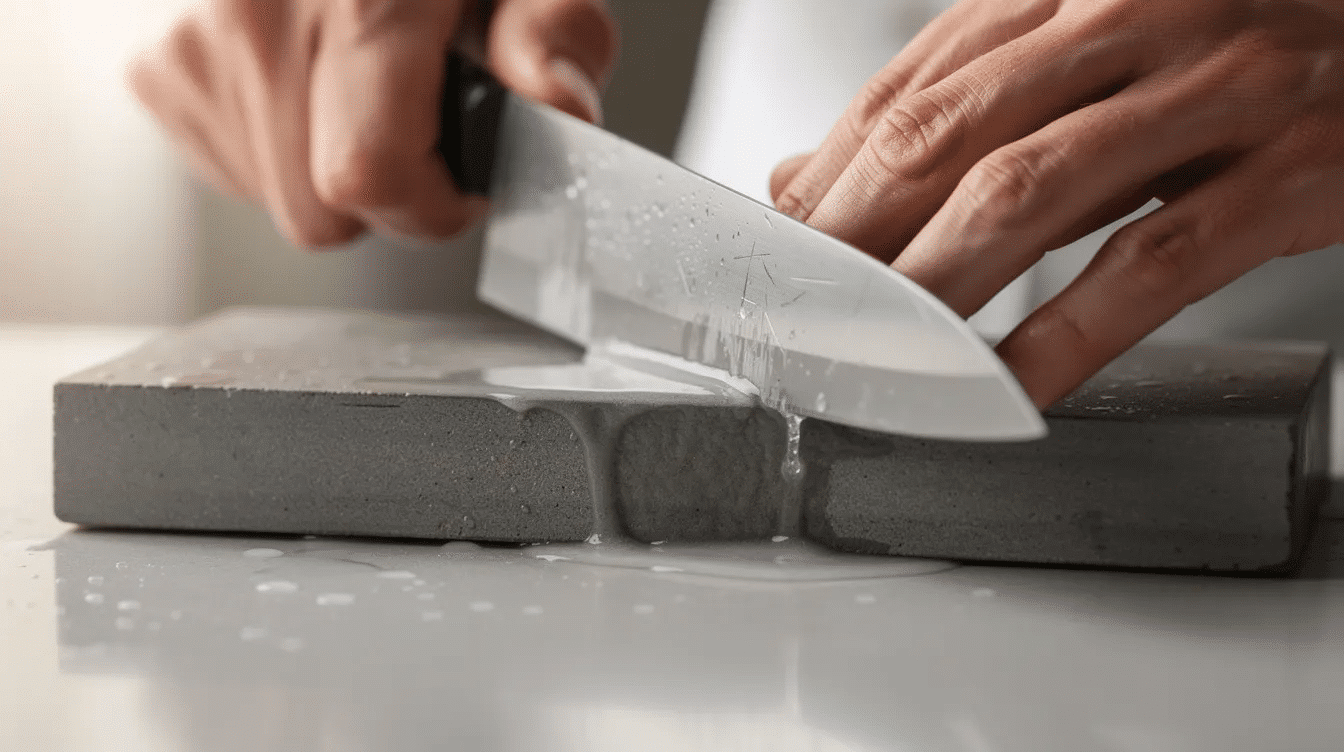
- Assessment of bevel angle (single-bevel at ~15 degrees, double-bevel at 7–10 degrees per side)
- Progression from 400–1000 grit coarse stones for reprofiling
- 3000–6000 grit medium stones for bite
- 8000+ finishing stones for polish
- Hand-stone finishing preferred over belt sanders for thin Japanese edges
Turnaround times:
- Tribeca-area services: 4–5 days as of April 2026
- Brooklyn studios: 2–3 days depending on workload
- Mobile/appointment services: 24–48 hours or same-day available
Preparing your knife:
- Clean the blade thoroughly before drop-off
- Note any chips, bends, or damage
- Specify if the knife is single-bevel (yanagiba, deba, usuba)
Pricing expectations:
Service | Price Range |
|---|---|
Standard edge sharpening | $20–$40 |
Chip removal | $50–$80 |
Tip repair or spa polish | $80–$120 |
Planning for working chefs: | |
Rotate 2–3 backup gyutos and schedule sharpening around days off (Monday or Tuesday for most restaurants). Avoid bringing your primary knife in on Friday before weekend service. |
Schedule sharpening ahead of busy periods—multi-day processing times mean planning matters.
Popular Types of Japanese Knives in NYC
Popular Types of Japanese Knives for New York Chefs & Home Cooks
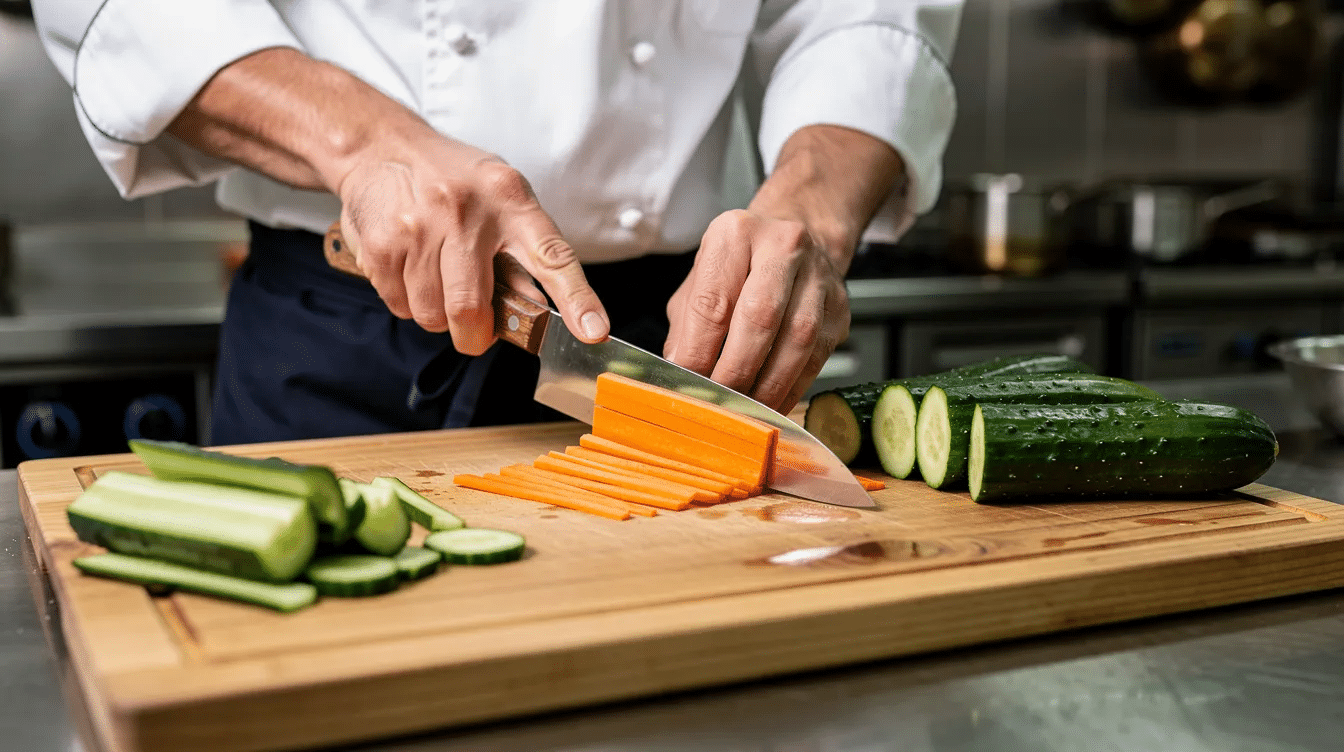
Japanese knives come in various types, each designed for specific culinary tasks. This section mirrors best-seller style content, guiding you to core knife shapes commonly stocked in NYC stores with clear examples and specifications, and pairs well with a broader guide to essential Japanese knife types if you want more background beyond the NYC market.
Gyuto (180–240mm / 7–9.5 inches):
NYC’s go-to all-purpose chef’s knife, used on the line from Midtown hotel kitchens to Brooklyn wine bars. (The Gyuto is a versatile Japanese chef’s knife, similar to a Western chef’s knife, used for a variety of tasks.) For a deeper dive into gyuto specifications, materials, and sizing, see our guide to choosing the right gyuto chef’s knife. Typical options include VG-10 core with 33-layer damascus cladding, SG2/R2 powdered steel for superior edge retention, or Blue #2 carbon at 60–62 HRC for push-pull versatility. Expect prices from $178 for mid-range VG-10 to $300+ for artisanal carbon.
Santoku (165–180mm / 6.5–7 inches):
Popular in smaller Manhattan apartments and home kitchens. (The Santoku knife is known for its versatility and is suitable for slicing, dicing, and mincing.) The three-virtues blade handles vegetables, meat, and fish with a lighter weight (120–150g) that feels manageable in confined spaces. SG2 variants around 170mm retail near $186 and offer excellent edge retention.
Petty (120–150mm / 4.7–6 inches):
The compact knife for garnish work, citrus peeling, and bar prep. Essential in cocktail bars and small plates restaurants across the city. Prices range $120–$150 for quality options with comfortable handles and precise tips.
Nakiri (165mm / 6.5 inches):
Rules vegetable stations in plant-forward NYC restaurants. (The Nakiri knife is specifically designed for cutting vegetables and has a straight edge for precise cuts.) Many shops showcase nakiri alongside santoku for home cooks prioritizing produce preparation.
Specialty single-bevel knives:
- Yanagiba (240–270mm): Pull-slicing sashimi knife for omakase counters in Midtown East and East Village (The Yanagiba is a long, thin knife used primarily for slicing raw fish for sushi and sashimi.)
- Deba (150–180mm): Fish filleting with thick heel for breaking down whole fish (The Deba knife is a heavy, thick knife used for butchering fish and poultry.)
- Usuba (180–210mm): Thin vegetable shaves and herb work requiring mirror-polished edges
Top Japanese Knife Picks in NYC
Example “Top Picks” Inspired by NYC Best Sellers
This section presents a curated sample of knives and accessories a New York buyer might encounter, with realistic price bands reflecting current NYC retail.
Mid-priced SG2 Santoku (~170mm, ~$186):
Powdered steel construction with sub-micron carbides delivers 6–12 month edge life under daily use. Thin grind under 1mm at tip minimizes food stick—ideal for tight NYC home counters where a beautiful, functional blade needs to perform without constant maintenance.
Blue #2 Gyuto (~210mm, ~$250):
Features nashiji pear-skin or kurouchi black-forged finish resisting reactivity while delivering craftsmanship-level sharpness. Many NYC chefs also look at high-performance brands like Takamura knives for precision and durability when comparing options. Designed for Manhattan line cooks making 100+ cuts per service who need a workhorse they can be proud to use.
240mm Stainless-Clad Gyuto (~$300):
Corrosion-proof cladding over high-carbon core suits humid professional kitchens running long services. The durability handles Friday rushes without flash rust concerns, making it excellent for cooks who cannot babysit their blades.
Compact Petty (~125–135mm, ~$120–$150):
Perfect for bartenders and pastry cooks needing precise tips for citrus supremes and detail work. Wa-handle pinch grip offers control without fatigue during extended prep.
Canvas or Denim Knife Roll (6–8 slots, ~$40–$60):
Designed for chefs commuting via subway, with emphasis on portability and protection. Soft interior lining prevents edge damage during transport between home and work.
Whetstone Setup:
- 1000/3000 grit combo stone (~$50): Requires 10–15 minute soak, handles most touch-ups
- 4000–6000 grit finishing stone (~$80): Splash-and-go convenience for polish work
NYC sharpeners consistently recommend this baseline setup for home maintenance between professional sharpening visits.
Essential Accessories for Japanese Knives in NYC
Essential Accessories: Boards, Stones, and Tools for Japanese Knives
Proper accessories extend knife performance and protect your investment in NYC’s demanding kitchen environments.
Cutting boards:
End-grain maple or walnut (18x12x1.5 inches, $100–$200) absorbs impacts without dulling edges. Japanese-style soft synthetics with Hinoki-cypress faced polyethylene offer easy sanitation for health-code strict spots. Avoid glass or bamboo—both accelerate edge degradation. Most NYC apartment counters fit boards up to 24×18 inches maximum.
Whetstones:
A basic NYC-friendly setup includes a 1000/3000 combo stone (8×3 inches, $40–$70, requires 10–20 minute soak) plus a 6000 grit finishing stone for polish. Some stones are splash-and-go while others need full soaking—check product specifications before purchase.
Honing and maintenance:
Leather strops ($20) work well for weekly touch-ups. Rust erasers ($10) handle spot carbon care. Most professionals skip ceramic rods on harder Japanese steels—the surface can chip delicate edges.
Storage for city living:
- Magnetic wall strips (12–18 inches, $30): Secure mounting for shared walls
- In-drawer bamboo blocks (slim 4-slot, $25): Space-efficient for small kitchens
- Saya sheaths ($20–$50): Essential for commuting with knife rolls
Cleaning tools:
Horsehair brushes ($8) and Camellia oil ($15) for post-handwash care. Never use dishwashers—heat warps handles and erodes edges. Soft scrubbing keeps the blade surface in good condition without scratching.
How to Choose the Right Japanese Knife in NYC
How to Choose the Right Japanese Knife in New York
The right choice depends on your cooking style, budget, and access to sharpening—whether home stones or NYC sharpening services.
By skill level:
- Beginners: Start with a stainless VG-10 or AUS-8 gyuto or santoku ($80–$150). These steels offer forgiving edges and corrosion resistance.
- Experienced cooks: Consider reactive carbon steels like Blue #2 for tunable edges down to 12-degree bevels with proper stone work.
By kitchen size and usage:
- Small apartments: 180–210mm lengths store easily and handle most tasks
- Professional prep: 240mm+ provides efficiency for volume work
By maintenance commitment:
Consider how often you cook and whether you are ready to learn basic whetstone use. If weekly 15-minute sharpening sessions fit your schedule, you can maintain edges yourself. Otherwise, budget for regular visits to a NYC sharpener ($25/visit).
Budget planning:
Buy one excellent primary knife (~$190) plus a petty (~$120) before adding specialty knives. This approach lets you find what feels right before expanding.
Fitting your hand:
Visit a NYC showroom to test handle shapes—octagonal (ambidextrous rotation), D-shaped (right-hand bias), or Western ergonomic. Prioritize forward balance with pinch grip 1–2 inches from the edge. Ill-fitting handles create blisters during long shifts.
Ergonomics and sharpening support matter more than aesthetics when making your purchase decision.
Caring for Japanese Knives in NYC
Caring for Japanese Knives in a Busy NYC Lifestyle
New York living presents specific challenges: small sinks, shared kitchens, long shifts, and limited time. Your care routine needs to work within these constraints.
Daily care after service or dinner:
- Hand wash with mild soap immediately after use
- Dry completely within 30 seconds (prevents 0.1mm pitting on carbon)
- Never leave knives in sinks or on wet cutting boards
- Store edge-protected, not loose in drawers
Weekly or bi-weekly maintenance:
Light stropping (20 passes per side on a 4000 grit stone) restores bite without full reprofiling. For knives used in restaurant kitchens, this prevents edge degradation between professional sharpening.
Rust and patina management:
Carbon steel requires extra attention in humid NYC kitchens. Force patina development with a vinegar wipe followed by Camellia oil to control oxidation. This creates a protective layer that resists flash rust.
Safe storage in small apartments:
Mounted magnetic strips work well but require secure wall installation—drops from 3ft heights can crack edges. Slim blocks or saya sheaths protect blades in shared spaces.
When to seek professional help:
Visible chips over 1mm, bent tips from Friday night rushes, or uneven bevels all require professional attention. DIY repairs risk further damage.
Quick scenario: After finishing a late Friday dinner service in Manhattan, rinse your gyuto under hot water for 10 seconds, scrub gently, oil lightly, slip into its saya, and commute home with a dry, protected blade.
NYC Knife Culture: Chefs, Classes, and Events
Local Knife Culture: New York Chefs, Classes, and Events
New York’s knife culture intersects with food media, chef collaborations, and a community of passionate professionals and home cooks.
Chef influence:
High-profile NYC chefs and sushi masters have increased interest in Japanese knives since the omakase boom post-2020. Chef-driven collaborations with forges and exclusive NYC-only releases continue to build enthusiasm for quality blades.
Knife skills and sharpening classes:
As of 2024–2026, more Brooklyn and Manhattan shops offer small-group sharpening classes on weeknights. Weekend workshops (2–3 hours, $75–$150) teach bevel matching and push-cut technique to home cooks and junior line cooks seeking to improve their skills.
Industry nights and events:
Some knife retailers and sharpening studios host industry nights, demos, or pop-ups where chefs can test knives, discuss steel properties, and order custom pieces. These events foster connections between makers and the professionals who use their tools daily.
Community aspect:
NYC’s culinary students, private chefs, and serious home cooks share recommendations on forums, social media, and in-person at shops. Instagram communities discuss steel friability (Blue #2 chips less than White #1) and post video content showcasing technique.
How to Contact and Visit Japanese Knife Shops in NYC
How to Contact and Visit NYC Japanese Knife Shops
This section provides guidance for reaching NYC knife shops, modeled after standard customer service patterns in the industry.
Typical contact patterns:
Most NYC knife shops and studios answer phone and email Monday–Friday, roughly 10AM–6PM Eastern Time. Saturday hours vary by location. Expect 24–48 hour email response times during busy periods.
Questions to ask before visiting:
- Confirm current showroom hours (holiday closures affect schedules)
- Ask whether sharpening is drop-off only or includes same-day options
- Request appointments for detailed consultations on single-bevel or specialty knives
Preparing for an in-person visit:
- Bring your existing main knife for comparison and reference
- Wear comfortable clothing if you plan to test grips and practice cutting on demo boards
- Prepare a list of questions about steel types, grinds, and care requirements
Contact methods:
Calling provides fastest responses for urgent needs. Email works better for detailed questions requiring research. Web forms typically route to the same email inbox.
Plan your visit around posted hours and double-check for holiday or event closures—NYC retail schedules shift, especially during restaurant industry peak seasons.
Finding the right Japanese knife in New York is about matching your cooking style with the right tools and support system. Whether you visit a Tribeca showroom to test grip and balance, drop knives at a Brooklyn studio for expert sharpening, or order from an NYC-based retailer with rapid shipping, the city has everything you need to work with precision tools designed for serious cooking.
Start with one quality knife that fits your hand and your kitchen, build a relationship with a local sharpener, and let your collection grow from there.
