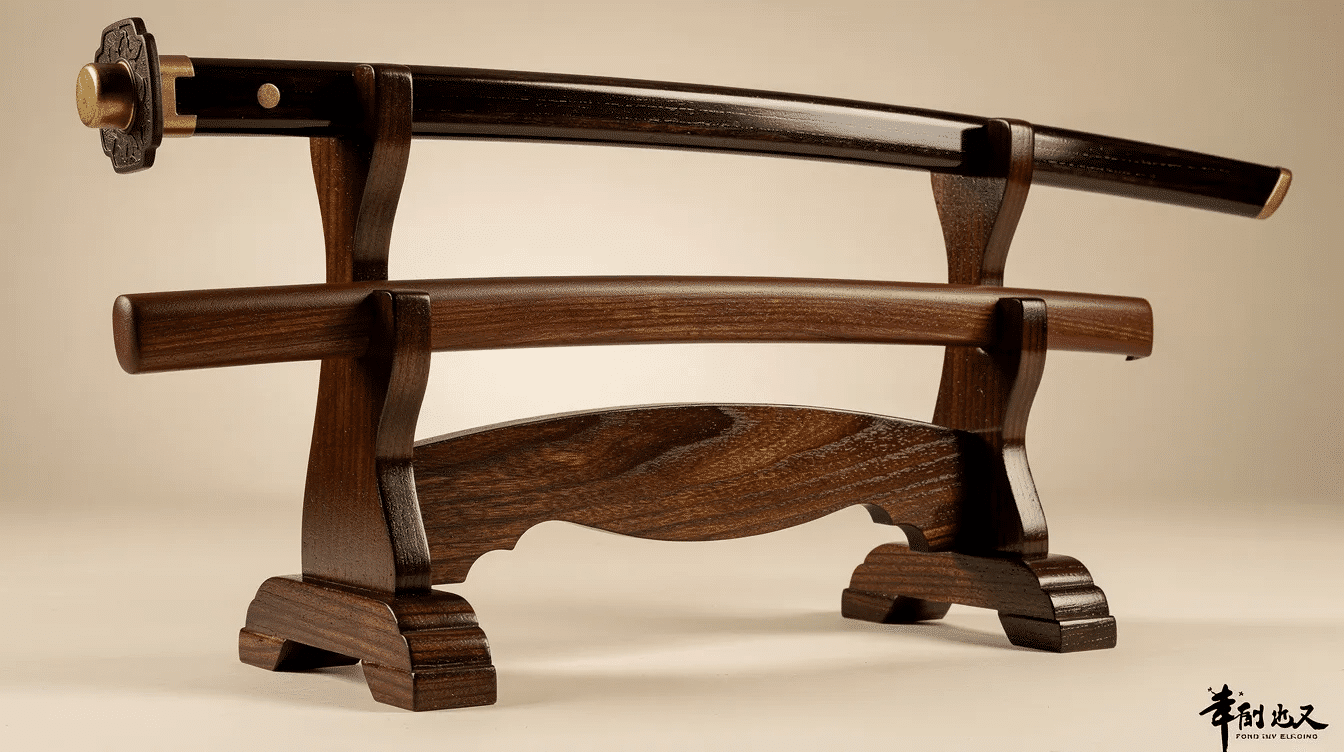

Looking for katana samurai swords that embody centuries of Japanese tradition and artistry? Our collection features authentic katana, wakizashi, and tanto swords, each crafted with meticulous attention to traditional forging methods. Whether you seek a battle-ready blade for martial arts, a museum-quality display piece, or a ceremonial sword for gifting, our selection covers every purpose and passion.
A katana is a traditional Japanese sword characterized by its curved, single-edged blade, circular or squared guard, and a long grip designed for two-handed use. The katana is traditionally associated with the samurai, who carried it alongside a shorter sword called a wakizashi, forming a daisho. These swords are not only functional weapons but also revered as symbols of Japanese craftsmanship and cultural heritage.
Our offerings cater to martial artists seeking reliable training tools, collectors searching for authentic historical reproductions, and enthusiasts who appreciate the artistry and symbolism of the samurai sword. Authentic craftsmanship matters because it preserves the legacy of traditional Japanese swordsmiths, ensures superior performance, and honors the spirit of the samurai.
Find your perfect samurai sword and honor the way of the warrior today.
The Historical and Cultural Significance of Katana Samurai Swords
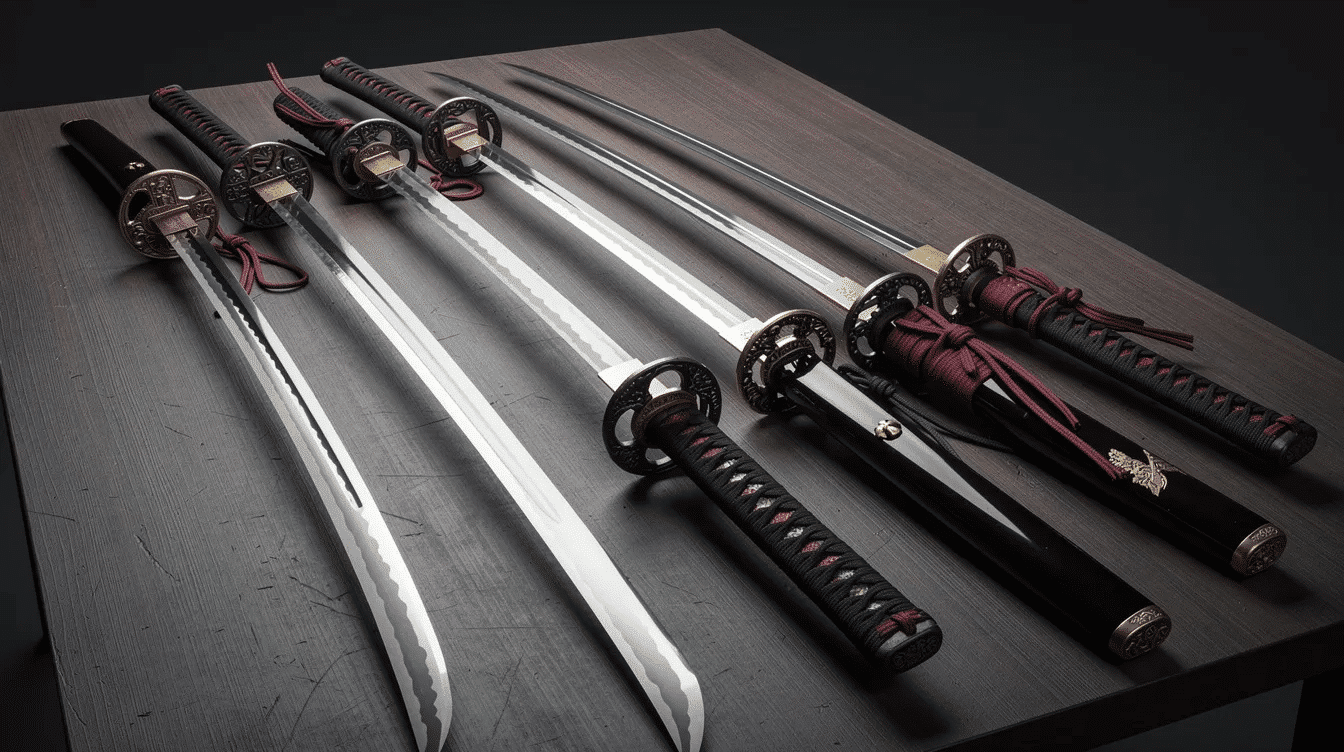
- A katana is a traditional Japanese sword characterized by its curved, single-edged blade, circular or squared guard, and a long grip designed for two-handed use.
- The katana is traditionally associated with the samurai, who carried it alongside a shorter sword called a wakizashi, forming a daisho.
- Katanas are traditionally hand-forged using high-carbon steel such as T10, 1095, or Damascus.
- Forging of katanas involves repeated folding of the steel to create thousands of micro-layers, resulting in a grain pattern called hada.
- For centuries, only the samurai class was legally permitted to carry the daisho, the paired long sword and short sword.
- The katana is considered the “soul of the samurai” and a pinnacle of Japanese craftsmanship.
Katana Samurai Swords for Every Purpose
Whether you’re a martial artist, collector, or history enthusiast, there’s a katana designed for your specific needs.
Battle-Ready Katana for Training
Choose high carbon steel options like T10 or 1095 for serious tameshigiri practice. These steels deliver exceptional edge retention and the sharp blade performance required for test cutting. T10 offers a bit more flexibility and wear resistance, while 1095 provides superior hardness for maintaining a cutting edge through demanding sessions.
Full-tang construction ensures your real katana can withstand repeated impacts without structural failure. Proper weight distribution—typically between 1.2 and 1.4 kg—allows for controlled martial arts forms and reduces fatigue during extended training. Battle ready weapons require razor-sharp edges, so always follow safety protocols and verify local regulations before purchase.
Display Katana for Collectors
Museum-quality finishes showcase the art of Japanese sword-making at its finest. Display pieces feature authentic fittings including ornate tsuba (hand guard), wrapped tsuka (handle), and lacquered saya (scabbard). The difference between sharpened and unsharpened display katana matters for both safety and legal compliance in various countries.
Historical reproductions capture specific periods—from kotō era designs to shinshintō style craftsmanship. Collectors appreciate authentic samurai swords with detailed hamon temper lines, traditional hada grain patterns, and period-accurate mountings that honor the samurai tradition.
Ceremonial and Gift Katana
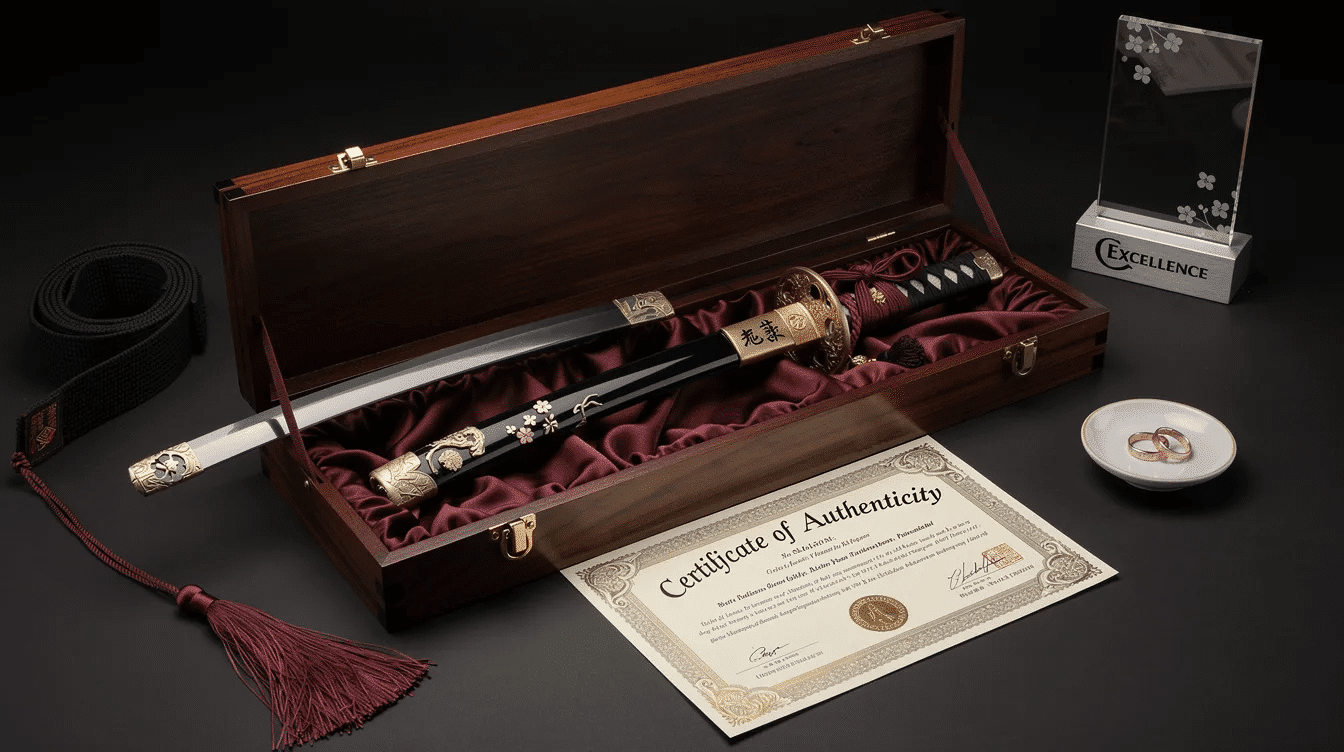
Premium presentation boxes and certificates of authenticity transform a katana into an unforgettable birthday gift or special occasion offering. Custom engraving on blade or fittings adds personalization, while symbolic elements connect recipients to samurai heritage.
These pieces suit martial arts rank celebrations, graduations, weddings, and corporate milestones. Quality ceremonial swords balance visual impact with practical considerations—many feature intentionally dulled edges for safe display and transport.
Now that you know the different types of katana available, let’s explore how to choose the right one for your needs.
Choose the Right Katana for Your Experience Level
Selecting the proper katana ensures safety, satisfaction, and respect for samurai traditions.
For Beginners and First-Time Buyers
Start with entry-level 1095 carbon steel katana available on sale under $200. These high quality katana offer genuine forged blades without overwhelming investment. Learn essential terminology: the tsuba protects your hand, the tsuka provides grip, the saya serves as the sheath, and the nakago (tang) connects blade to handle.
Consider a wakizashi (shorter companion sword with blade length around 50-60 cm) for easier handling while developing technique. Always check state and local knife laws before owning sharp weapons—regulations vary significantly across the world, including Canada, Germany, and other countries.
For Martial Arts Practitioners
Different disciplines demand specific blade geometry and balance. Iaido practitioners need smooth draw characteristics, while kendo stylists may prefer practice swords with particular weight profiles. Durability matters for regular training—look for differentially hardened blades that combine a hard edge with flexible spine.
Maintenance becomes routine with active use. Plan for regular oiling, proper storage, and occasional professional sharpening to keep your blade in fighting condition. A practical training katana balances performance against the realities of frequent handling.
For Serious Collectors
Premium Damascus and traditional tamahagane steel represent the pinnacle of sword craftsmanship. Authentic tamahagane—smelted from iron sand in Japan using traditional tatara methods—commands prices from $8,000 to well over $50,000 for pieces by master smiths. Authentication through organizations like NBTHK provides provenance documentation essential for serious investment.
Rare and limited edition pieces from recognized swordsmith lineages appreciate over time. Collectors across the world seek signed nakago, original fittings, and unrestored condition. Market values reflect authenticity, period, condition, and the quality of traditional techniques employed.
For Historical Enthusiasts
Period-accurate construction methods distinguish reproduction from imitation. Understanding Japanese sword history—from ancient jōkotō through kotō, shintō, shinshintō, and modern gendaitō periods—reveals how styles evolved across centuries. Regional schools like Bizen, Yamato, Sōshū, and Mino each developed distinctive characteristics in blade shape, steel quality, and hamon patterns.
Famous swordsmith signatures carry immense significance. Reading mei inscriptions on the nakago connects you directly to masters who crafted weapons in Tokyo, Kyoto, and other historical centers. Cultural context transforms owning a katana from simple possession into genuine appreciation.
With your experience level in mind, let’s examine the steel types that define a legendary katana.
Premium Steel Types That Define Quality
A legendary katana starts with exceptional steel crafted using time-honored methods. Here are the most respected steel types:
- 1095 High Carbon Steel: Contains approximately 0.90-1.03% carbon, delivering excellent edge retention and the ability to achieve remarkable sharpness. Responds beautifully to clay tempering, producing distinctive hamon patterns.
- T10 Tool Steel: Offers similar properties to 1095 with slightly enhanced flexibility and durability. Requires committed maintenance to prevent rust and corrosion.
- Damascus Steel: Created through repeated folding—sometimes hundreds of layers—resulting in unique grain patterns (hada) and superior structural integrity. The detail in properly etched Damascus reveals the smith’s technique and skill.
- Spring Steel: Delivers exceptional flexibility, allowing blades to absorb impacts without permanent deformation. Ideal for those seeking durability in training swords.
- Stainless Steel: Reduces maintenance needs significantly—ideal for display pieces or humid climates where rust threatens carbon steel. Modern coatings can further enhance corrosion resistance.
Understanding steel types helps you select a katana that matches your intended use and maintenance preferences. Next, let’s look at how to care for and display your katana to preserve its beauty and function.
How to Care for and Display Your Katana
Proper maintenance preserves your katana’s beauty and functionality for generations.
Oiling and Cleaning the Blade
Follow these traditional maintenance steps:
- Apply choji oil (mineral oil blended with clove oil) after every handling session.
- Never touch the blade with bare hands, as fingerprints deposit acids that promote rust on high carbon steel.
- Use nuguigami (soft rice paper) to wipe surfaces clean.
- Use uchiko powder to absorb old oil before re-oiling.
Maintenance frequency depends on your climate. Standard storage requires oiling every 3-6 months; humid environments demand monthly attention. A basic maintenance kit with these traditional tools costs $15-40 and protects your investment indefinitely, just as proper care is essential for essential Japanese kitchen knife types to retain their edge and performance.
Storage Environment Tips
Horizontal display stands with edge facing upward represent proper form—gravity helps protect the sharp edge and keeps oil distributed correctly. Vertical display risks moisture accumulation and uneven oil distribution over time.
Store valuable pieces in shirasaya (plain wooden mountings) or a secure case that controls humidity between 40-60% relative humidity. Avoid direct sunlight, which causes UV damage and temperature fluctuations. For antique swords and high-value collections, consider climate-controlled display cases with desiccants and security locks.
With your katana properly cared for and displayed, you’re ready to find the perfect piece for your collection or training.
Shop Authentic Katana Samurai Swords Online
Explore our curated collection of hand forged katana from master swordsmiths. Choose from battle ready blades, collector pieces, and custom options to find a katana that connects you to the samurai spirit.
Your legendary katana awaits—honor tradition with authentic Japanese craftsmanship.
We offer free shipping with a tracking number on all orders, plus secure packaging that protects your purchase during transit. Our 30-day return policy and quality guarantee ensure complete satisfaction. Customer service specialists provide expert selection guidance for buyers at every experience level, from first-time enthusiasts to serious collectors building world-class collections.