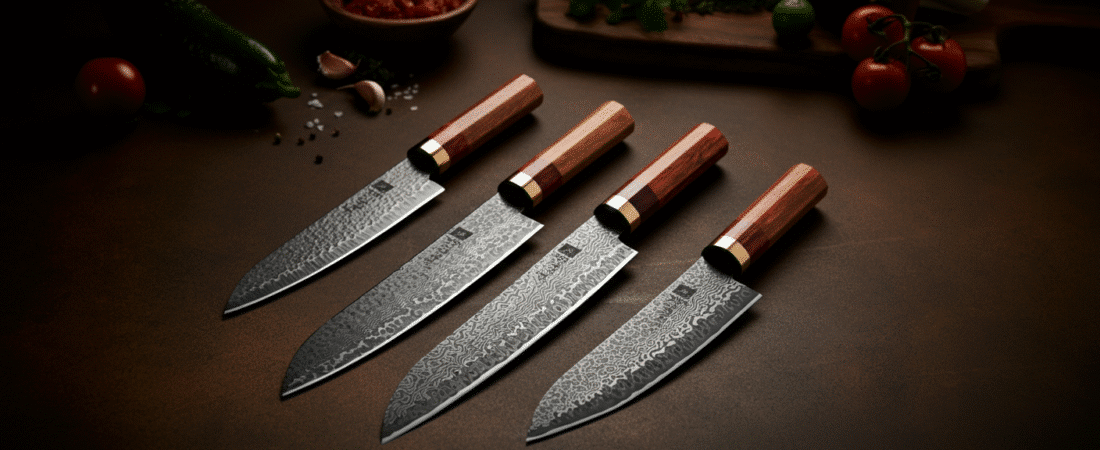
Finding the best Japan knife set feels like a huge win for any home cook. I remember my old knives; they were dull and made prepping food a real chore. Slicing a tomato felt like a wrestling match! Then, I got my first Japanese knife, and wow, what a difference. It was like going from a rusty bike to a sports car. These knives are known for being super sharp and well-made. They make cooking feel less like work and more like fun. If you want to make your time in the kitchen better, getting a good set of knives is a great first step. Let’s look at what makes these knives special and find the right set for you.
Why Choose Japanese Knives?
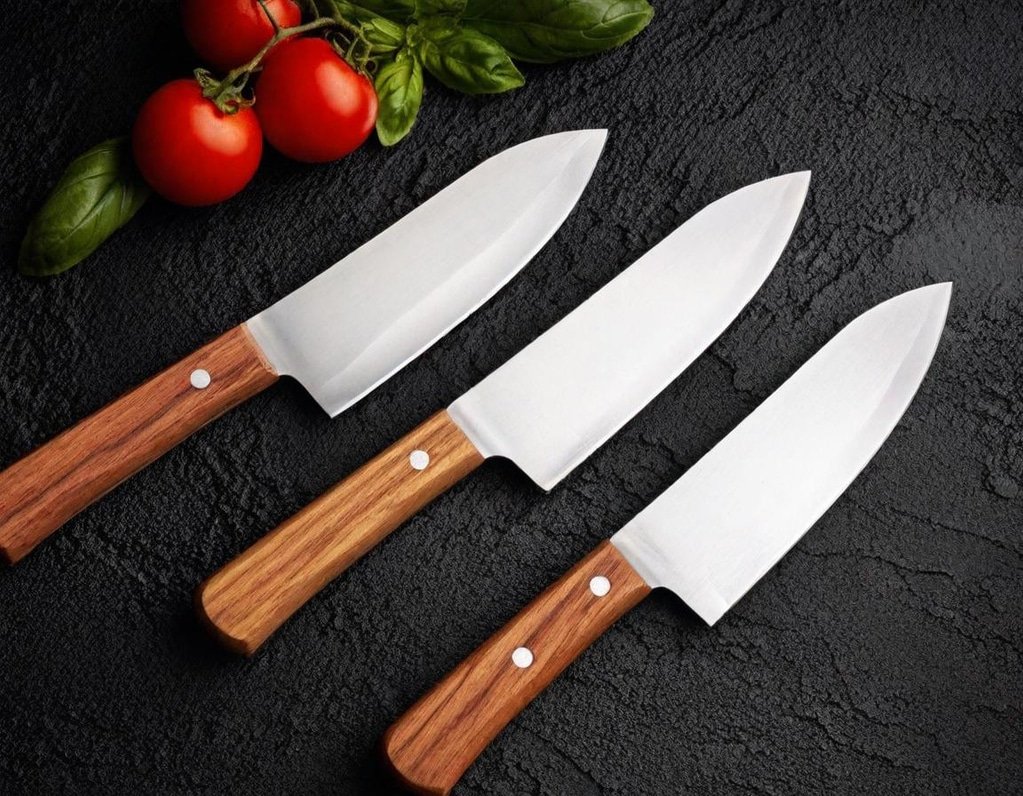
You might wonder what all the fuss is about. I did too! Japanese knives are different from the German ones many of us grew up with. German knives are often thicker and heavier. They are built to be tough. Japanese knives, on the other hand, are usually thinner, lighter, and made from harder steel.
This means they can be sharpened to a much finer edge. The result? You get super clean cuts. When I first used one, I was amazed at how easily it sliced through an onion. No more crying from smashing the onion cells! The blade just glides right through. This precision helps keep your food looking great and tasting fresh.
The Steel Makes the Difference
The secret is in the steel. Many Japanese knives use high-carbon steel. This type of steel is very hard, which allows for that razor-sharp edge. It also means the edge stays sharp for a longer time. I noticed I didn’t have to sharpen my new knife nearly as often as my old ones.
Some popular steel types are VG-10 and AUS-10. You’ll see these names pop up a lot. They are both great choices that balance sharpness, durability, and rust resistance. It’s like finding the perfect recipe; all the ingredients work together.
What Knives Come in a Set?
When you start looking, you’ll see that sets come with different kinds of knives. It can be a little confusing at first. Let me break down the most common ones you’ll find.
The Gyuto (Chef’s Knife)
The Gyuto is the all-star of the kitchen. It’s the Japanese version of a Western chef’s knife. I use mine for almost everything: chopping vegetables, slicing meat, and mincing herbs. Its blade has a slight curve, which is perfect for a rocking motion while chopping. If a set has a Gyuto, you’re off to a good start. It’s the one knife I couldn’t live without.
The Santoku (All-Purpose Knife)
Santoku means “three virtues” in Japanese. This refers to its ability to handle three main tasks: slicing, dicing, and mincing. It’s a bit shorter than a Gyuto and has a flatter edge. Some people prefer the Santoku for its nimbleness. I have one, and I love it for quick veggie prep. The little dimples you often see on the blade, called a Granton edge, help food slide off easily. No more sticky potato slices!
The Nakiri (Vegetable Knife)
The Nakiri is a vegetable-chopping machine. It has a straight, rectangular blade that looks like a small cleaver. Don’t be scared by its shape! It’s not for bones. The straight edge is designed for push-cutting vegetables. This means you get clean, even slices every time. I find it so satisfying to use for making salads or stir-fries. It makes me feel like a professional chef.
The Petty (Paring Knife)
The Petty knife is a smaller utility knife. It’s perfect for tasks that need more control. Think peeling an apple, deveining shrimp, or trimming fat from a steak. It’s the knife I reach for when my Gyuto feels too big for the job. Having a good Petty knife in your set is a real bonus. It’s like having a little helper for all the small details.
Top Picks for a Japan Knife Set
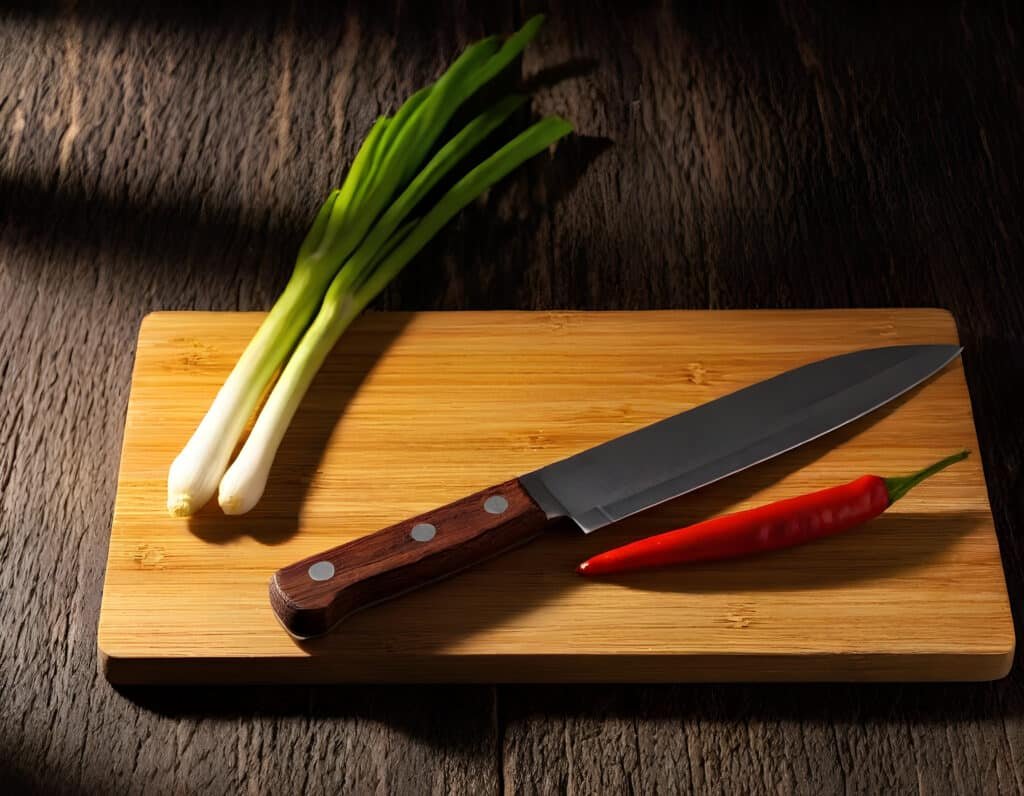
Okay, let’s get to the good stuff. Here are a few sets that stand out. I’ve looked at them for their quality, value, and the types of knives they include.
For the Serious Home Cook: Shun Classic 5-Piece Starter Set
Shun is a very well-known brand, and for good reason. Their knives are beautiful and perform incredibly well. This set usually comes with a Gyuto, a Nakiri, and a Petty knife, plus a honing steel and a storage block. It covers all the essential bases. The handles are comfortable, and the blades are incredibly sharp right out of the box. I have a friend who got this set for her wedding, and she still talks about how much she loves it years later. It’s a bit of an investment, but these knives will last a lifetime with proper care.
Best Value for Money: Tojiro DP 3-Piece Set
If you want amazing performance without the high price tag, Tojiro is a fantastic choice. This brand is a favorite among professional chefs because it offers great quality at a fair price. A common 3-piece set includes a Gyuto, a Nakiri, and a Petty knife. The design is simple and functional. The handles are sturdy, and the VG-10 steel blades hold a great edge. This was one of the first Japanese knife brands I tried, and it completely changed my view on what a good knife could be. You get so much performance for your money.
Great for Beginners: Global G-835/35 3-Piece Set
Global knives have a very modern look. They are made from a single piece of steel, including the handle. This makes them super easy to clean. The handles are filled with sand to give them the right balance, which is pretty cool! This set typically includes a chef’s knife, a utility knife, and a paring knife. They are lightweight and very sharp. I remember seeing these on TV cooking shows all the time. They are a solid choice for someone just starting their Japanese knife collection.
How to Care for Your New Knives
Once you have your beautiful new knives, you need to take care of them. It’s not hard, I promise!
First, always wash them by hand. Please, never put them in the dishwasher! The high heat and harsh detergents can damage the blade and the handle. Just a little soap and warm water are all you need. Dry them right away to prevent any spots or rust.
Second, learn how to sharpen them. A whetstone is the traditional way to do it. It might seem scary, but there are tons of videos online that show you how. It’s actually quite relaxing once you get the hang of it. Keeping your knives sharp is not just about performance; it’s also about safety. A dull knife is more likely to slip and cause an accident.
Finally, store them properly. Tossing them in a drawer is a big no-no. It can chip the blades. A magnetic strip on the wall or a wooden knife block are great options. It keeps them safe and also shows them off!
Getting a great Japan knife set is a game-changer for anyone who enjoys cooking. It makes every step, from prep to plating, more enjoyable. You don’t have to spend a fortune to get a wonderful set that will serve you well for years. Happy cooking!
