
Usuba knives are traditional Japanese knives made mainly for cutting vegetables, and are considered a traditional Japanese knife with historical significance. They have a thin blade with a flat edge and a single bevel, which means only one side of the blade is sharpened. This design helps make really clean, precise cuts, perfect for delicate vegetable work, and helps preserve the cell walls of vegetables, which is important for maintaining texture and presentation. Usuba knives are favored by skilled chefs for their precision in traditional Japanese cuisine. If you like cooking Japanese food or want to get better at cutting veggies, an usuba knife is a great tool to have—both professional chefs and home cooks can benefit from using an usuba knife for vegetable prep.
- Introduction to Japanese Knives
- Different Types of Usuba Knives
- What Makes Usuba Knives Special?
- Usuba Knife Materials and Construction
- Usuba Knife Designs
- How to Use an Usuba Knife
- Choosing the Right Usuba Knife
- Caring for Your Usuba Knife
- Usuba Knives vs. Other Japanese Knives
- Who Should Use an Usuba Knife?
- Final Thoughts
Introduction to Japanese Knives
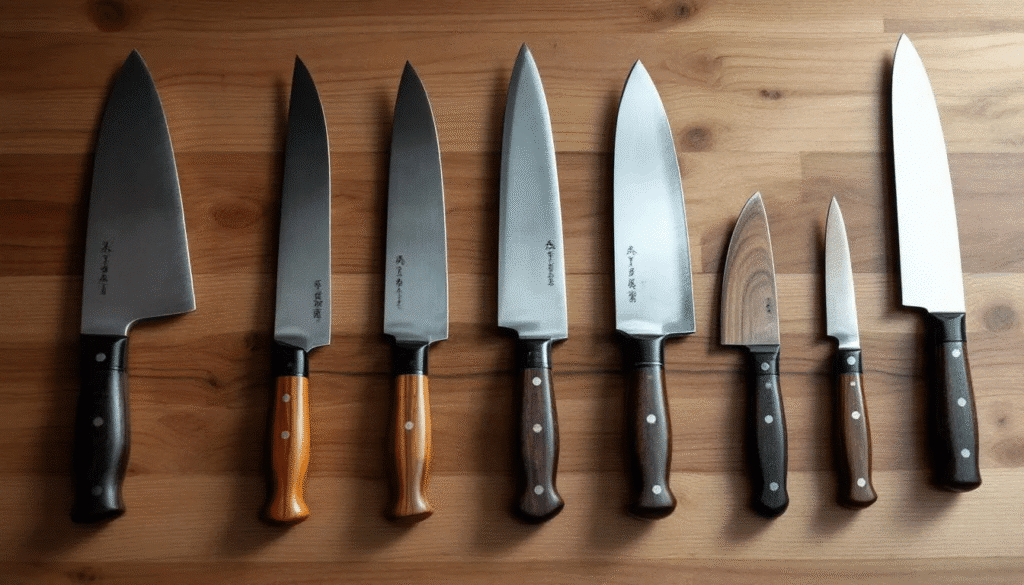
If you’re after knives that are absolutely cracking for precision work, then Japanese knives are a top pick worldwide – they’re celebrated for their dead-thin blades, exceptional sharpness, and meticulous craftsmanship that’s light years ahead of the rest. These traditional Japanese knives are designed to deliver cuts that are spot-on every time with superior performance, making them a proper staple in both home kitchens and professional setups. Among all the different types of Japanese knives you can get your hands on, the usuba knife really stands out as a specialist vegetable knife that’s the bee’s knees. With its single bevel edge and flat blade, the usuba knife is crafted for cutting vegetables with accuracy that’s absolutely unmatched – its a cracking bit of kit. Used for centuries in traditional Japanese cuisine, the usuba’s thin blade (light as a feather it is) and unique edge make it the perfect knife for achieving clean, precise cuts that’ll knock your socks off, especially when you’re working with delicate vegetables that need a gentle touch. In this essential guide, we’ll have a proper look at what makes the usuba knife a must-have tool for anyone who’s passionate about Japanese knives and wants to do some fine vegetable work that’s second to none.
Different Types of Usuba Knives
There are a couple of popular styles of usuba knives you might come across. Both the Tokyo usuba and the Kamagata usuba are examples of single bevel knives, featuring a single bevel blade that is designed for precise, straight cuts and specialized sharpening techniques. The Tokyo usuba has a square tip, while the Kamagata usuba, common in the Kansai region, has a rounded tip. The thickness of the blade can vary between these styles, with the Tokyo usuba often having a slightly thicker blade for added stability during intricate decorative work, while the Kamagata usuba may be thinner for more delicate tasks. Both work well but the shape and thickness can affect how you handle the knife for certain tasks like peeling or cutting.
What Makes Usuba Knives Special?
The single bevel edge is the key. As a traditional Japanese knife, the usuba excels at precision work, making it ideal for decorative and detailed vegetable preparation. It allows for a clean, sharp cut that maintains the integrity of the vegetable’s texture and flavor. The flat blade helps with straight, even slices and rotary peeling, which is a technique where you cut and peel vegetables into paper-thin sheets. Usuba knives excel at Katsuramuki, which is a technique for cutting paper-thin sheets of vegetables, showcasing their precision and versatility. Usuba knives usually have a thicker spine than other Japanese knives, giving them strength and stability for fine vegetable work.
Usuba Knife Materials and Construction
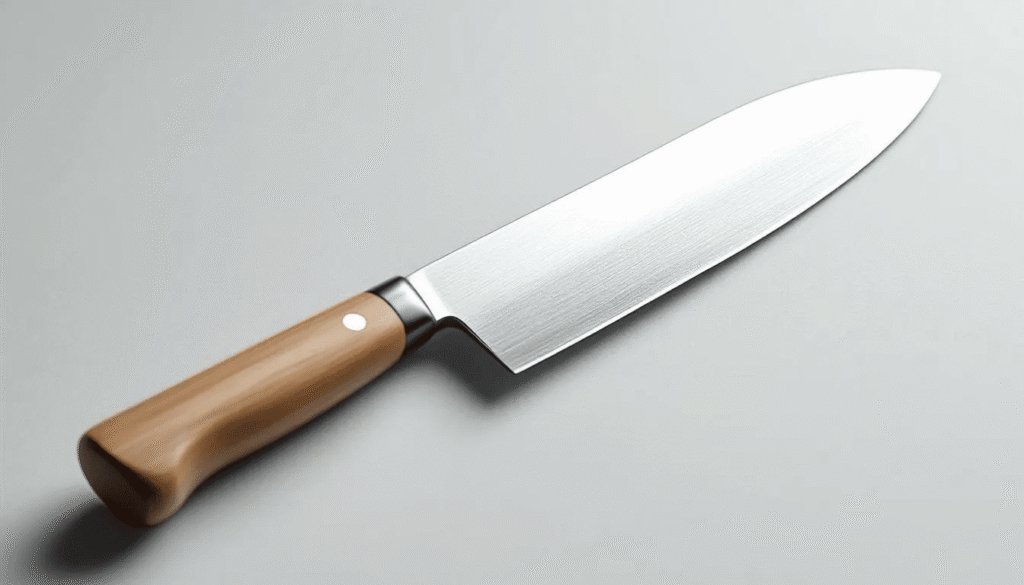
The usuba knife is dead brilliant for its razor-sharp edge and spot-on cutting ability, and thats down to the top-notch materials and how its put together. Most usuba knives are knocked up by hand from high-carbon steel – stuff like white steel or blue steel – which are absolutely cracking for staying sharp and holding their edge like nobody’s business. These carbon steel blades can get sharp as anything, making them perfect for all sorts of fancy vegetable work, though you’ll need to give them a bit of TLC to keep the rust at bay. If you’re after something thats low maintenance, some usuba knives are made from stainless steel instead – dead easy to look after while still giving you a sharp, reliable edge that won’t let you down. The handle is usually crafted from wood like magnolia or cherry, sorted out for a comfortable grip and brilliant balance when you’re using it. Whether you go for carbon steel because its performance is top drawer or stainless for the convenience factor, the right usuba knife will feel sharp as a tack, perfectly balanced, and ready to tackle any vegetable prep you can throw at it.
Usuba Knife Designs
If you’re after some proper usuba knives, then you’ve got quite a few cracking designs to choose from, each one knocked up for specific jobs and what the locals fancy in different bits of Japan. The classic usuba knife is a dead simple affair with a flat, straight blade and single bevel edge – its absolutely perfect for precision cutting and getting fancy with decorative carving. The Kamagata usuba, or Kansai-style usuba if you want to get proper about it, is dead easy to spot with its rounded tip that lets you get into more delicate work – and its the top pick in the Kansai region of Japan. On the flip side, the square-tip usuba is more the thing in the Kanto region and its brilliant for getting straight, even cuts sorted. Loads of usuba knives have got a thicker spine as well, which adds a bit of strength and keeps things steady for fine vegetable work, while that flat edge makes sure you get smooth, consistent slices every time. Whether you’re keen on decorative cuts, having a go at katsuramuki rotary peeling, or just want to get your hands on the best usuba knife for your kitchen, theres a design thats spot on for what you need – and each one shows off the tradition and dead clever precision of Japanese kitchen knives.
How to Use an Usuba Knife
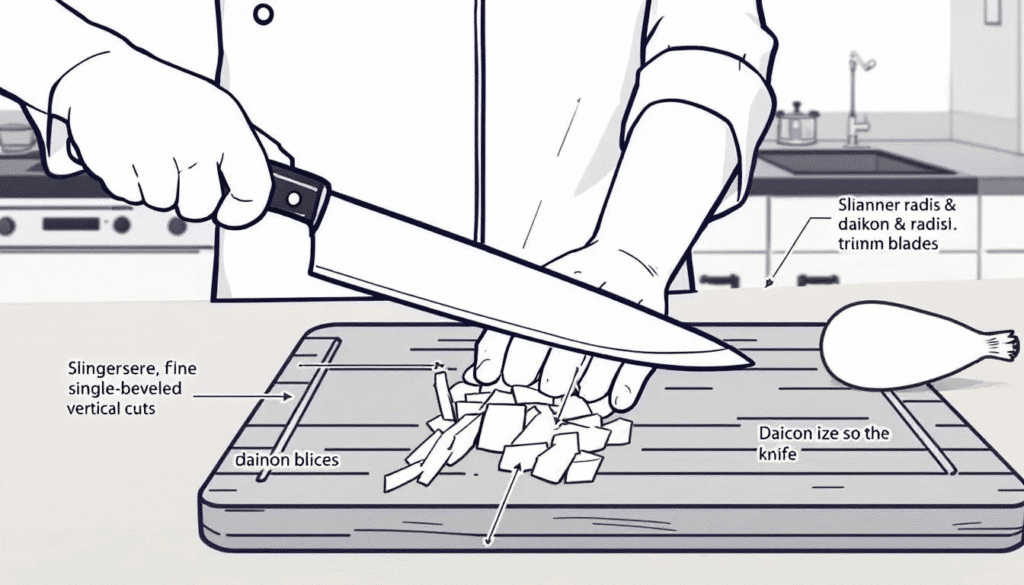
Usuba knives are perfect for tasks where you want clean, thin slices or decorative cuts. They’re great for cutting daikon radish, making julienne strips, or creating fancy garnishes. Because of the single bevel, the cutting technique is a bit different than with regular knives — you push straight down or slide the blade rather than rocking it back and forth. Unlike some other knives, the usuba is not designed for a rocking motion; instead, it excels at straight, vertical cuts for efficient and precise results.
To prevent chipping of the thin blade, avoid cutting hard ingredients like bones and always use a proper cutting board.
Choosing the Right Usuba Knife
Think about what you’ll use it for and how much care you want to give it. Carbon steel usuba knives are super sharp and hold their edge well but need regular oiling to prevent rust. Stainless steel versions are easier to care for but might not get as sharp. Size and handle comfort also matter since you want a good grip for precise work. Traditional wooden handles for Usuba knives provide a comfortable grip, while resin handles offer durability and low maintenance. Some users may prefer a wide blade, as it makes scooping and handling vegetables easier during preparation. While the santoku is a versatile, double-edged knife suitable for general kitchen tasks, the usuba is more specialized for precise vegetable work.
Caring for Your Usuba Knife
Keep it sharp by using a whetstone, and sharpen the single bevel side carefully. Always hand wash and dry immediately after washing, especially for carbon steel models, to prevent rust. Store it in a wooden saya or sheath to protect the blade. Avoid cutting hard things like bones or frozen foods because the thin blade can chip.
Usuba Knives vs. Other Japanese Knives
Compared to other Japanese knives, such as a nakiri knife, which has a double bevel edge, the usuba is a single bevel knife and is more specialized. Nakiri knives are easier to use and sharpen, making them good for everyday vegetable prep. Usuba knives are favored in professional kitchens where precision cuts and decorative work are important. Usuba knives are ideal for intricate vegetable cuts such as Katsuramuki and julienne slicing, making them a preferred choice for chefs who value precision. Professional chefs in traditional Japanese cuisine often select the usuba for its precision and specialized design. Both have their place, but usuba knives are the go-to for serious vegetable prep.
Who Should Use an Usuba Knife?
If you’re a chef working in a professional kitchen or a home cook who values detailed vegetable work, an usuba knife is worth trying. The usuba is ideal for those who require precision work in their vegetable preparation, making it a favorite among skilled Japanese chefs and a great choice for home cooks aiming to improve their technique. Usuba knives are often more expensive due to their specialized craftsmanship and materials, reflecting their high quality and precision. It takes some skill to handle and maintain, but it delivers perfect cuts and helps keep the veggies looking and tasting great. For a more versatile option, consider a chef’s knife like the Gyuto, which excels at a wide variety of kitchen tasks.
Final Thoughts
Usuba knives bring precision and style to vegetable prep. They’re not your everyday knife, but if you want to step up your cutting game, they’re a solid choice. With the right care, an usuba knife can be your go-to tool for clean, thin slices and beautiful garnishes. Give it a shot and see how it changes the way you work with vegetables.
