Seki City Japan knife making is something special. Right in Gifu Prefecture, this city has been shaping knives for over eight centuries. People here take pride in their work, creating blades that are sharp, strong, and built to last. Knife making in Seki is considered an art, passed down through generations and reflecting deep cultural pride. Seki has a long history of bladesmithing, having produced swords, knives, and cutlery for over 800 years. Whether you’re a chef, an outdoor lover, or just someone who appreciates good tools, Seki knives stand out.
A Rich History of Blades
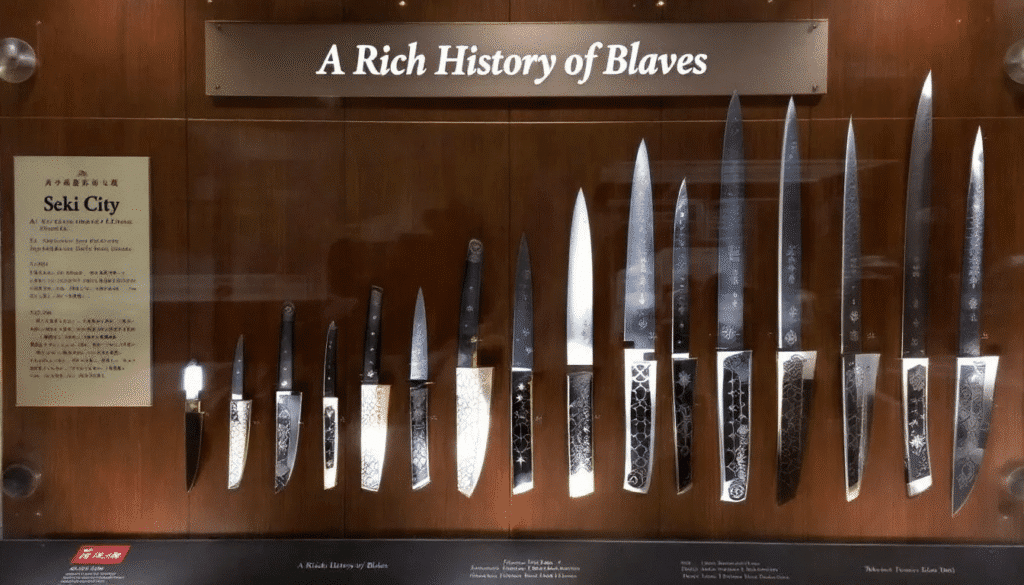
The story of knives in Seki City goes way back to what is called the Muromachi period. Back then, the city was famous for making swords. Seki City has been a center of sword production since the 13th century. Over time, craftsmen in the traditional forge shifted their skills to making knives, scissors, and other cutting tools. Today, Seki is known worldwide, standing alongside places like Solingen in Germany and Sheffield in England.
What Makes Seki Knives Special?
Seki knives are famous for their sharp edges and long-lasting durability. They use hard steel, including Damascus steel, which helps keep the blade sharp and resistant to rust. Some Seki knives are made using the kasumi technique, which involves layering different steels to create a balanced and versatile blade. The handles are made from strong, comfortable materials like wood or bone, making the knives easy to hold and use.
How the Knives Are Made
Making a Seki knife is a careful process and a traditional craft that requires skill and patience. It starts with picking the best materials—steel and iron sand are key. The steel is heated in a furnace and hammered on an anvil to shape the blade. Craftsmen fold and hammer the steel many times to make it tough but not brittle. The craftsmanship of Seki’s knives is rooted in the traditional Mino-den sword-making techniques, which have been adapted over centuries to create exceptional blades.
After shaping, the blade gets coated with a special clay. This clay helps create the beautiful wave patterns on the blade and protects parts of it during heating. Then the blade is heated and cooled quickly to harden it. Finally, the knife is polished and sharpened until it’s razor sharp.
Each step in this craft is important for carrying the legacy and spirit of Seki’s knife-making tradition.
Materials and Construction
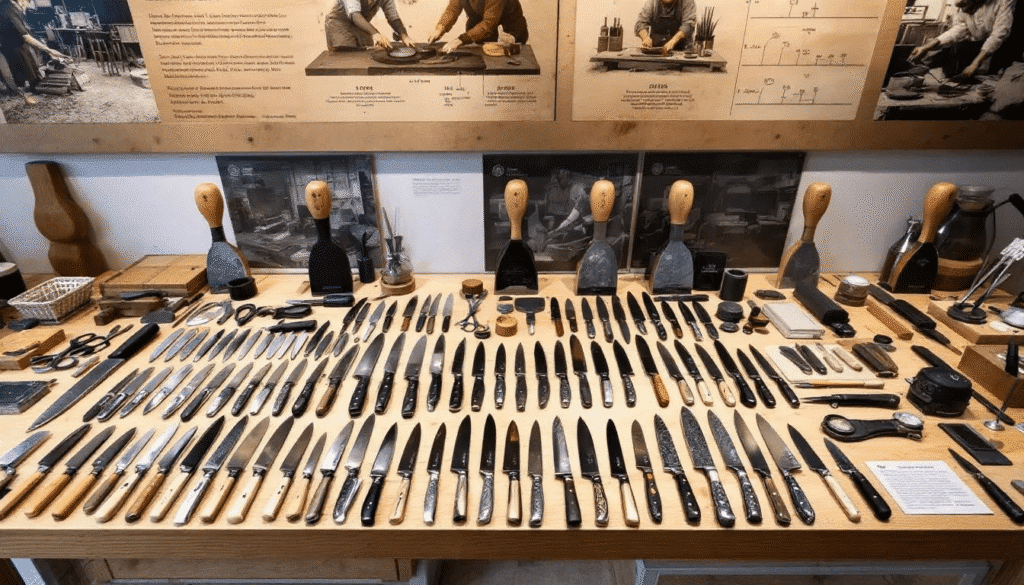
Seki City, tucked away in the heart of Gifu Prefecture, is a right proper gem when it comes to top-notch cutlery. It’s all down to the Seki Cutlery Association—a cracking outfit that brings together about 60 of the city’s best producers, including 10 government-licensed traditional bladesmiths—that Seki’s managed to keep its good name going for centuries. Seki City is known for its production of stainless type knives, high-quality pocket knives, scissors, and nail clippers. Whether you’re after outdoor knives, kitchen knives, or even dead useful tools like nail clippers and scissors, Seki knives are well known for their razor-sharp edges, brilliant ergonomics, and lasting quality that won’t let you down.
The trick with these cracking blades is all in the materials and methods they use. Seki knives are made from some of the best materials going, including Damascus steel, hard steel, and the region’s own iron sand. Damascus steel, in particular, is absolutely brilliant—not just for its strength and toughness but also for its stunning looks, with each blade showing off unique patterns that really show the artistry of whoever made it. Using iron sand and hard steel, combined with good old techniques that go back centuries, means every knife is both sharp as anything and built to last.
Construction in Seki is a proper blend of tradition and modern know-how. Master craftsmen use time-tested techniques like hammering, grinding, and careful polishing to shape each blade. These methods, passed down through the generations, are now topped off with modern advances in materials and production, letting Seki artisans reach new levels of precision and consistency. The result is a knife that not only honours the traditional style of Japanese sword making but also does the job for today’s chefs, outdoor enthusiasts, and collectors.
Beyond knives, Seki City’s also well known for making other top-quality cutting tools, like nail clippers and scissors. These bits and pieces also benefit from the city’s deep-rooted craftsmanship and attention to detail, making them favourites among customers who want both function and beauty rolled into one.
The city’s legacy as a centre for sword making, going back to the Muromachi period, has left a lasting mark on its cutlery industry. Seki’s location, blessed with loads of natural resources like iron sand and charcoal, made it a perfect spot for forging swords and, later on, knives. This rich history still influences the city’s approach to craftsmanship, with many artisans still drawing inspiration from the techniques and values of their forebears.
Today, Seki’s cutlery industry is a living culture, where tradition and innovation go hand in hand. There’s a new generation of craftsmen coming up, keen to establish their own brands and styles while respecting the time-honoured methods that’ve made Seki famous. These artisans are helping to shape the future of the industry, making sure that Seki City stays at the forefront of global cutlery production. Seki City hosts an annual cutlery festival that showcases its knife-making heritage, drawing visitors from around the world to celebrate its craftsmanship.
With its unmatched blend of history, skilled craftsmanship, and commitment to quality, Seki City keeps on producing knives and tools that are highly sought after around the world. Whether you’re drawn to the sharpness, durability, or sheer beauty of a Seki knife, you’re investing in a piece of living history—crafted with care, precision, and a real passion for excellence.
The People Behind the Knives
The master craftsmen of Seki City, some of whom become recognized as masters after years of rigorous training and independent work, have passed down their skills for generations. Many spend years learning the trade, starting with simple tasks like cleaning and gradually moving on to hammering and shaping steel. Their dedication shows in every knife they make.
Kitchen Knives That Work Hard
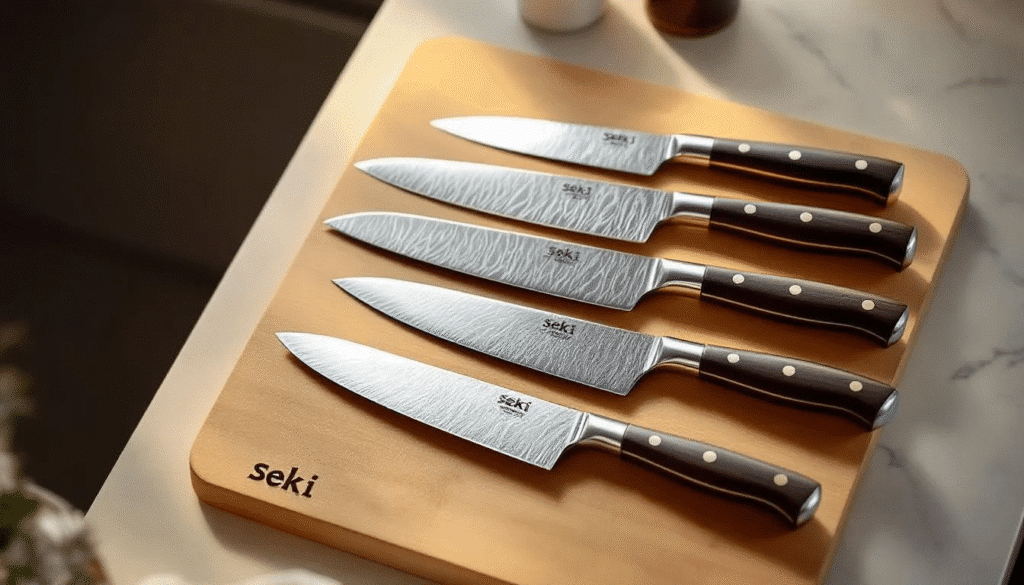
Seki kitchen knives are favorites in many kitchens. They come with sharp edges and handles designed for comfort. You’ll find traditional Japanese styles like santoku and gyuto, made with stainless or Damascus steel. These knives make cooking easier, whether you’re a pro or just cooking at home.
Tradition Meets New Ideas
While Seki keeps its traditional ways, the city also embraces new methods. Craftsmen use modern steel alloys and machines like CNC tools to improve their knives. This mix of old and new means the knives are both beautiful and practical, with some craftsmen building their own brand identities as they innovate.
Taking Care of Your Knife
To keep a Seki knife in top shape, clean it with mild soap and dry it right away. Sharpen the edge regularly with a whetstone or sharpening tool. Protect the handle from extreme heat or moisture by wiping it dry or applying a little oil now and then. With simple care, your knife will stay sharp and last a long time.
Why Choose a Seki Knife?
Owning a Seki knife means having a tool that’s sharp, durable, and comfortable to use. These knives aren’t just tools—they are said to embody the soul of their makers, reflecting generations of tradition and dedication. Whether you use them for cooking, camping, or collecting, they offer great value and quality.
Final Thoughts
Seki City Japan knife making is a blend of history, skill, and quality materials. Like Seki, other regions such as Sakai near Osaka and areas close to Tokyo are also renowned for their centuries-old knife-making traditions. Visiting a traditional knife shop in Seki or these regions offers a unique glimpse into the world of Japanese cutlery craftsmanship. The city’s craftsmen work hard to keep their tradition alive while adding new ideas to make better knives. If you want a knife that’s sharp, strong, and built with care, a Seki knife is a smart choice. Enhance your knowledge by exploring the types of Japanese knives and their uses.
