
Yanagiba knives are a must-have for anyone who slices raw fish, especially for sushi and sashimi. The yanagiba is a type of sashimi knife primarily used for preparing sushi and sashimi, and is called ‘yanagiba’ in Japan. These knives have a long, narrow blade with a single bevel edge, designed to make clean, uninterrupted cuts through boneless fish fillets. The yanagi is used to slice boneless fish fillets into sashimi and toppings for sushi. The sharpness and shape help keep the fish fresh and looking great, which is why professional chefs and home cooks alike love them.
Introduction to Japanese Knives
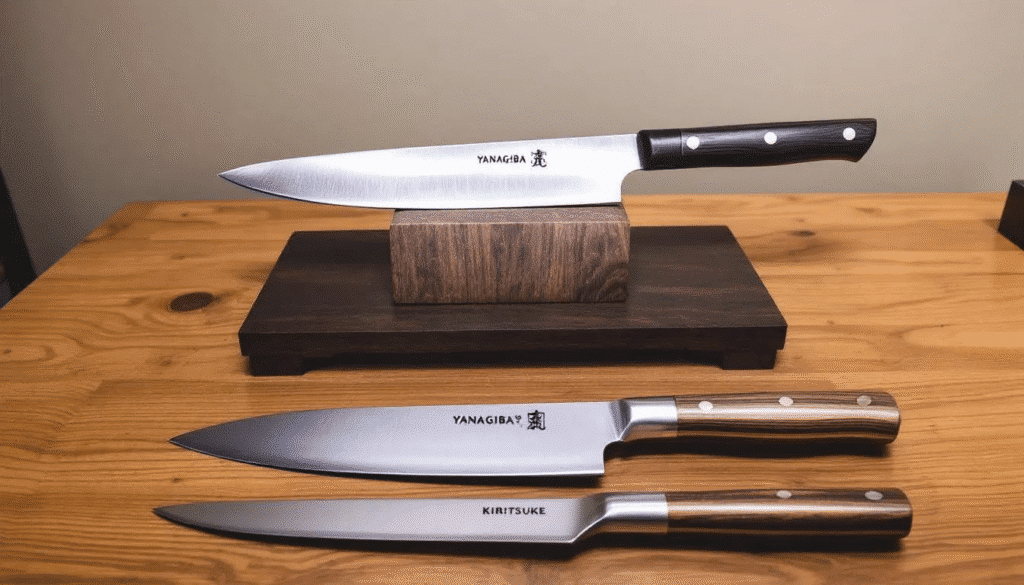
Japanese knives are absolutely brilliant and are loved all round the world for their top-notch craftsmanship, spot-on precision, and rock-solid durability. Each knife is designed with a proper specific job in mind, and you can see the attention to detail in their construction with every single slice you make! Among the most specialised are those Yanagiba and Kiritsuke knives, which are crafted for slicing up raw fish and other delicate bits with cracking control. The unique blade shape, with its narrow blade and single bevel edge, lets you get razor-sharp cuts that keep the integrity and freshness of the fish bang on. The long and thin blade of the yanagi knife is designed to cut slices in one drawing stroke. Kiritsuke knives, with their distinctive look, are dead versatile for chefs who need to handle all sorts of different jobs. Whether you’re a professional chef or just a passionate home cook whos keen on their knives, getting to grips with the specialised world of Japanese knives can really boost your culinary skills and give you a proper appreciation for all the artistry and maintenance that goes into each blade.
Why Choose a Yanagiba Knife?
The main reason to pick a Yanagiba is that it is the ideal knife for precision slicing. The single bevel blade means you can pull the knife through the fish in one smooth stroke without tearing the flesh. This keeps the texture intact and the flavor fresh. Plus, the narrow blade reduces drag, making slicing feel effortless.
What Makes Yanagiba Knives Special?
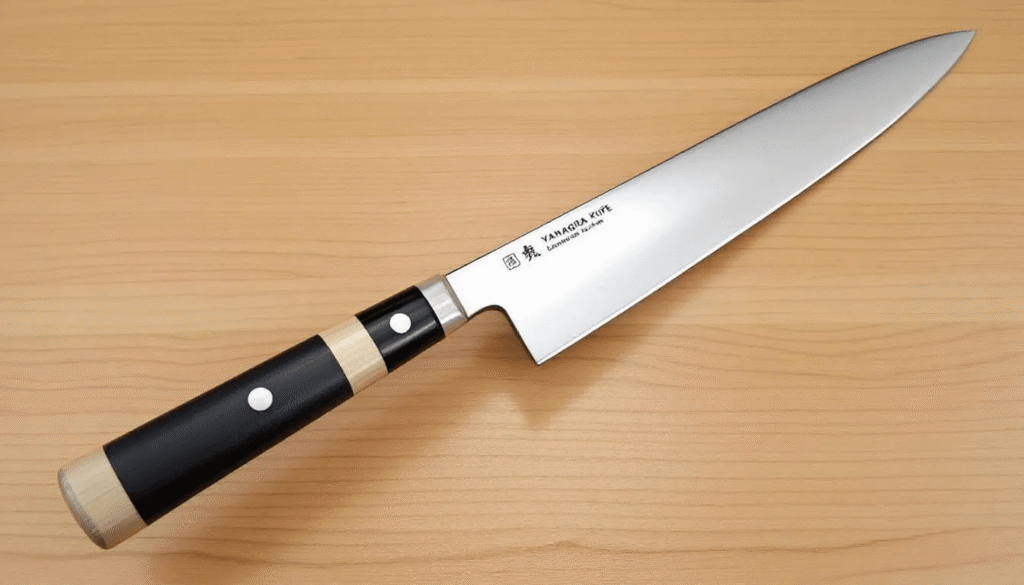
These knives come from Japan, a region known for its skilled craftsmanship. The Yanagiba originated mainly in Osaka, and its design reflects the needs of sushi chefs in that area. Yanagiba knives typically range from 240mm to 330mm in length, giving plenty of options depending on how much control or reach you want. The blade size usually ranges from about 240mm to 330mm, and choosing the right length is important for optimal cutting performance. Longer blades, such as those around 30cm, are preferred for slicing larger fish fillets because they allow for cleaner, more precise cuts and help reduce damage to the fish.
Characteristics of Sashimi Knives
Sashimi knives, like the cracking traditional Japanese Yanagiba and the dead versatile Kiritsuke, are proper brilliant bits of kit that’ve been crafted specially for the art of slicing up raw fish and other top-notch ingredients. These knives have got this single bevel blade setup that’s absolutely spot-on for helping chefs get those precise cuts with hardly any food sticking about, which means each slice of fish stays nice and intact and looks the business. The blade shape on a Yanagiba is long and slender – proper elegant it is – and its often finished off with this angled tip that just glides through boneless fish fillets like nobody’s business, letting you get those smooth, uninterrupted cuts that look absolutely brilliant. Kiritsuke knives, while they’ve still got that razor-sharp edge, have got a bit more of a robust blade on them, which makes them perfect for slicing up both fish and meat with equal flair. These beauties are knocked up from high carbon steels like blue steel and white steel, and they’re absolutely top drawer when it comes to sharpness and keeping that edge, but you’ve got to be dead careful with the maintenance to stop them going rusty and keep them performing like champions. The combination of that thin blade, single bevel setup, and proper quality steel makes these sashimi knives absolutely essential bits of kit for anyone who’s after those precise, clean cuts and wants to get professional results sorted in the kitchen.
Different Types of Yanagiba Knives
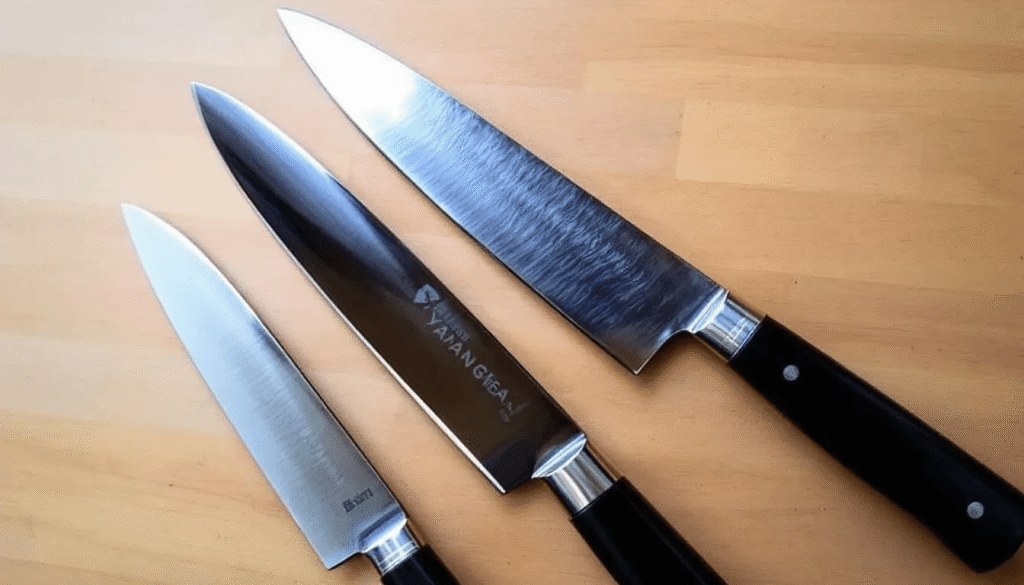
You’ll find a few variations of Yanagiba knives, including the Kiritsuke Yanagiba. This style combines the long, thin blade of the Yanagiba with an angled tip, making it a bit more versatile. The craftsmanship and performance of the Kiritsuke Yanagiba are similar to the traditional yanagiba, though the Kiritsuke offers greater versatility. While the traditional Yanagiba is specialized for slicing raw fish, the Kiritsuke can handle meat and vegetables too. Both styles usually have a single bevel edge, but the Kiritsuke sometimes comes with a double bevel for easier use.
What Materials Are Used?
Yanagiba knives are often made from high-quality steels like blue steel or white steel. Blue steel is prized for its sharpness and edge retention but needs careful maintenance to avoid rust. White steel is easier to sharpen and still holds a sharp edge. Both high-carbon steel and stainless steel are commonly used materials for Yanagiba knives. Handles are usually crafted from wood or buffalo horn, offering good balance and grip, and some handles are specifically designed for left or right hand use to enhance comfort and control.
How to Pick the Right Yanagiba Knife
Think about what you’ll mainly use it for. If you mostly slice sashimi or sushi, a traditional Yanagiba with a single bevel blade and a longer size might be best. If you want something more flexible, consider a Kiritsuke Yanagiba. Also, check the handle comfort and weight — a well-balanced knife makes a big difference when you’re slicing for a while. The cutting performance of a yanagiba is optimized for clean, efficient slicing, which is crucial for preparing sushi and sashimi.
Taking Care of Your Yanagiba Knife
Keep your knife clean and dry to prevent rust, especially if it’s made from high carbon steel. Use a whetstone regularly to maintain that razor sharp edge. It is advised to clean and dry a Yanagiba knife after use to avoid rust. Store it safely in a saya (scabbard) or knife block to protect the blade.
Final Thoughts
If you’re serious about slicing raw fish, a Yanagiba knife—also known as a yanagi—is a solid choice, as it is designed to cut with minimal pressure, which is essential for preserving the freshness and texture of the fish. The yanagi is traditionally used to slice boneless fish fillets for sushi and sashimi, allowing for precise, clean cuts that enhance both presentation and flavor.
Whether you go for a traditional single bevel or a Kiritsuke style, picking the right size and steel will make your prep work easier and more enjoyable. With some care, your Yanagiba can last for years, making it a great tool for your kitchen.
