
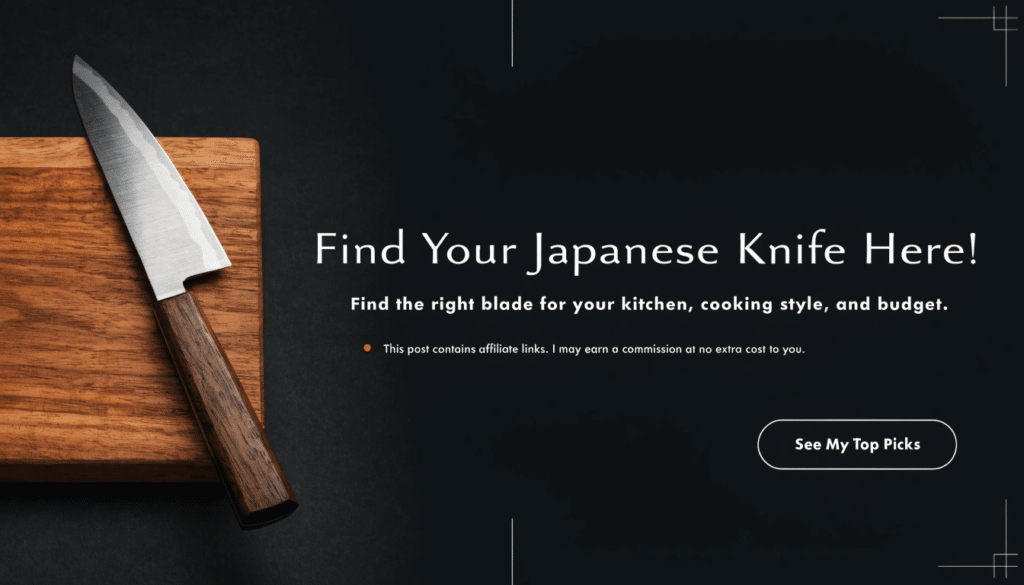
Japanese knife making is a skill that has been passed down through many centuries. It started with making samurai swords and later shifted to kitchen knives that chefs and home cooks admire worldwide. This shift was heavily influenced by historical events and trade, which shaped the evolution of Japanese blades. The transition from sword crafting to knife crafting began in the 1850s with Western influence, marking a significant turning point in the craft’s history. The katana, a symbol of Japanese culture and craftsmanship, represents the legacy and artistry that continues in modern Japanese kitchen knives. Each knife is not just a tool but a unique piece made with care and skill. I’ve always been fascinated by how these blades come to life and what makes them stand out.
The craft is preserved and advanced by masters who have dedicated their lives to perfecting traditional techniques. Japanese knife making is deeply rooted in Japanese culture, reflecting its values of precision, artistry, and heritage. Traditionally, Japanese knives feature single-beveled blades that are specifically designed for certain tasks, showcasing the meticulous attention to detail in their creation.
- Introduction to the Craft
- A Look Back at History
- Different Regions, Different Styles
- Visiting Seki City
- Keeping the Tradition Alive
- Owning Your Own Japanese Knife
- How the Knives Are Made
- Why These Knives Stand Out
- The Art of Sharpening
- Where to See and Buy Japanese Knives
- Trying Your Hand at Making a Knife
- Final Thoughts
Introduction to the Craft
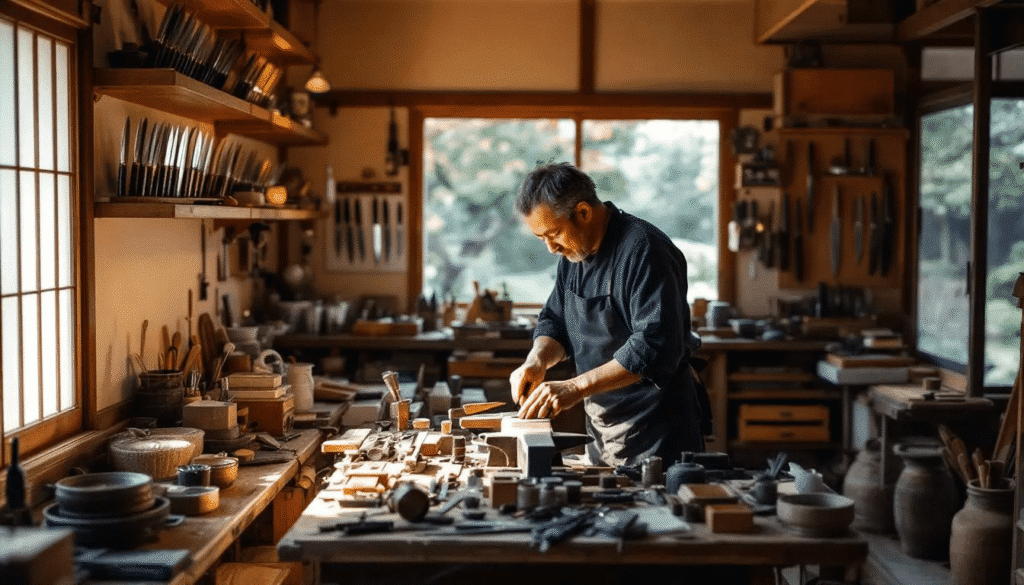
The art of Japanese knife making is a cracking example of Japan’s dedication to top quality, dead-on precision, and good old tradition. For loads of centuries, the craft has come a long way from the legendary production of samurai swords to knocking up some of the world’s finest kitchen knives. In places like Takefu Knife Village, you can see firsthand how these Japanese knives are shaped by a brilliant mix of time-honored techniques and modern innovation. The whole process—from picking the right steel to forging, shaping, and getting them razor-sharp—shows a proper respect for both the material and the craft itself. The knife-making process in Japan often requires multiple skilled craftsmen and can involve up to fifty distinct steps, highlighting the complexity and dedication involved.
Loads of knife shops and workshops across Japan, like the top-notch Kurogane Knife Making Workshop, let enthusiasts have a go at creating their own knife. These hands-on experiences guide you through each step, so you can really appreciate the skill and patience that’s needed to knock up a high-quality Japanese blade. The city’s history and culture are woven into every stage of knife making, with many makers drawing inspiration from the art of sword forging. Today, you can still spot the influence of samurai swords in the dead careful attention to detail and the pursuit of perfection that define Japanese kitchen knives. Whether you’re a collector, a chef, or just plain curious, having a look at the world of Japanese knife making gives you a brilliant window into Japan’s rich heritage and cracking craftsmanship. Takefu Knife Village provides free factory tours, but more in-depth experiences like forging workshops require booking, offering a deeper dive into the craft.
A Look Back at History
The roots of Japanese knives go deep into the history of samurai swords. Cities like Seki in Gifu Prefecture became famous for their sword and knife makers, and the region helped develop advanced techniques and a strong reputation for Japanese knife making. The techniques used today come from old ways that have been handed down from one generation to the next. This long history gives the knives their quality and reputation. The history of knife-making in the city of Echizen dates back to the 14th century when sword-making began there, further enriching the legacy of Japanese blades.
Different Regions, Different Styles
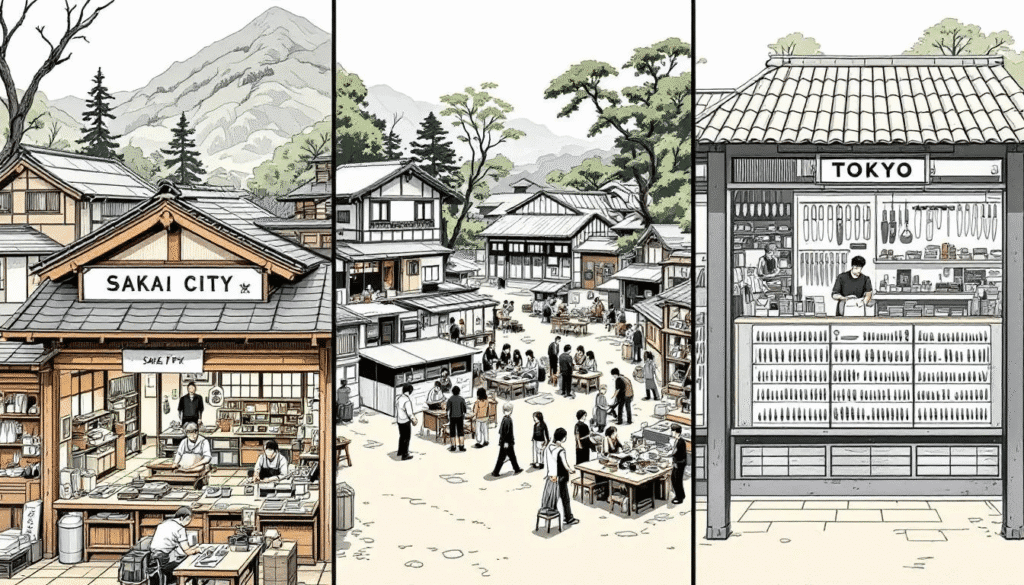
Japan has many places known for making knives, each with its own style. Sakai City, located to the south of Osaka, is famous for top-notch kitchen knives, while Takefu Knife Village in Fukui Prefecture is a hub where many skilled makers work together. Tokyo, too, has plenty of knife shops where you can see a wide range of blades and learn about how they are made. The unique location of each region—whether it’s the traditional knife-making area in the south, the collaborative village in Fukui, or the bustling city of Tokyo—contributes to the diversity of knife styles found across Japan. Each region adds its own touch to the knives, making them special. Sakai City, just south of Osaka, is particularly renowned for producing knives used by over 90% of professional chefs in Japan, a testament to their exceptional quality.
Visiting Seki City
If you’re interested in Japanese knife making, Seki City is a great place to visit. It has a rich history and many shops and factories where you can see knives and swords up close. Some places even offer classes or tours so you can watch or try some parts of the process yourself. It’s a chance to see the skills and care that go into every blade.
Keeping the Tradition Alive
Many makers want to keep these old skills alive. Takefu Knife Village is one place where the tradition is strong. There are ongoing efforts to preserve traditional knife making skills for future generations. They offer classes and workshops so people can learn and experience the process. This helps to keep the knowledge going and lets more people enjoy and understand what goes into making these knives. The knife-makers at Takefu Knife Village share space and equipment while marketing their own products independently, fostering a collaborative yet individualistic approach to the craft.
Owning Your Own Japanese Knife
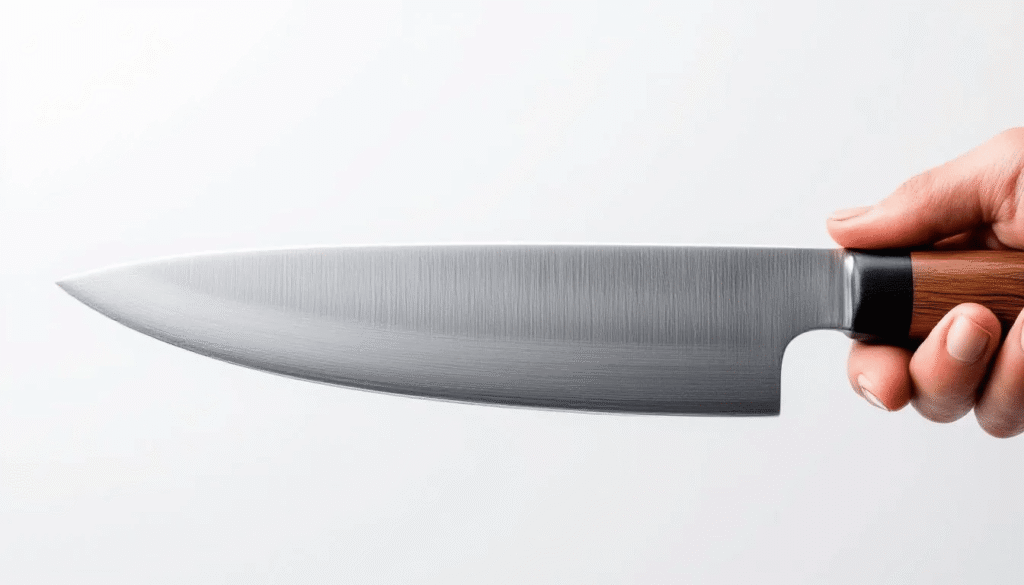
Having a Japanese knife is more than just owning a tool. Some Japanese knives are rare and highly sought after by collectors, making them unique treasures in the culinary world. Each one is handmade and carries the story of the maker and the tradition behind it. Many collectors and chefs treasure these knives not just for how well they work but for the skill and history they represent. Owning one means having a piece of that story in your kitchen.
How the Knives Are Made
The knife making process starts with steel, often a special kind that holds a sharp edge well. The metal is heated in a forge and then pounded into shape. Sometimes layers of different metals are combined to get the right balance of strength and sharpness. This forging process is a key part of traditional blade making, involving multiple meticulous steps to achieve high-quality craftsmanship. The blade is then cooled quickly in water to harden it. San-mai is a method of bladesmithing where a hard-steel core is sandwiched between two layers of softer steel to improve shock resistance, further enhancing the blade’s durability and performance.
After shaping, the blade is polished and sharpened using whetstones. The sharp edge is what makes these knives so prized. The handle is attached by carefully attaching it to the tang, the part of the blade that goes inside the handle. This connection is important for balance and comfort when using the knife. Special attention is given to shaping the point of the knife, as a well-formed point ensures proper balance and functionality.
Why These Knives Stand Out
Japanese knives often use harder steel than many Western knives. This means they can hold a sharp edge for longer but need careful handling to avoid chipping. The way they are shaped and sharpened also makes them great for precise cutting. Many chefs prefer them for slicing fish, vegetables, and meat with ease and accuracy. The cultural significance of Japanese knives is further emphasized by their unique designs tailored for specific culinary tasks, such as butchering and slicing, making them indispensable tools in the kitchen.
While the cost of a high-quality Japanese kitchen knife can be higher than some alternatives, the exceptional craftsmanship and performance justify the investment for both professionals and enthusiasts.
The Art of Sharpening
Sharpening is where the real magic of Japanese knife making kicks off – and it’s absolutely brilliant! A properly sharpened Japanese knife isn’t just a joy to use, its a proper testament to the maker’s skill and how much care you’ve put into looking after it. The whole sharpening game is both dead clever artistry and proper science all rolled into one, and you’ll need to get your head around the blade’s shape, what sort of steel you’re working with, and what you actually want to do with the knife. Using a whetstone, both the craftsmen and home cooks get stuck in and carefully hone that edge, making sure its razor-sharp and ready for some seriously precise cutting.
In cracking cities like Seki and Sakai, you’ll find knife shops and workshops that’ll sort you out with sharpening services and classes, sharing those traditional techniques that have been perfected over generations – and they’re brilliant at it too! These sessions will teach you all about keeping the right angle, using the proper tools, and getting to grips with what makes each Japanese knife special. Getting the hang of sharpening doesn’t just make your kitchen knives last longer, it’ll also give you a proper appreciation for the whole knife making process. With a bit of practice and the right approach, anyone can learn to sharpen their own knife and experience that dead satisfying feeling of creating a blade that performs like an absolute dream. Whether you’re looking after a treasured Japanese blade or you’re having a go at the craft for the first time, sharpening is one of those essential skills that’ll connect you right to the heart of Japanese knife making.
Where to See and Buy Japanese Knives
If you want to see these knives in person or buy one, cities like Tokyo, Osaka, and Seki have many shops. These cities also feature a vibrant knife market, where both traditional and modern Japanese knives are showcased and sold. Kappabashi Street in Tokyo is a well-known spot for kitchen knives. Sakai City near Osaka is famous for the knives used by professional chefs. Takefu Knife Village offers tours and workshops where you can see the making process up close. Sennichimae Doguyashuji Shopping Street in Osaka is another popular area for kitchenware shopping, offering a wide variety of knives and related tools.
Trying Your Hand at Making a Knife
Some places offer workshops where you can try forging your own knife. During these sessions, participants often use their foot to operate traditional blacksmithing tools, adding to the authentic experience. This usually involves heating the metal, pounding it into shape, and sharpening it. It’s a hands-on way to appreciate the skill and effort needed to create these blades. If you get a chance, it’s a great way to connect with the tradition.
Final Thoughts
Japanese knife making is a skill that blends history, culture, and expert technique. Whether you’re a collector, a chef, or just curious, learning about these knives shows how much goes into making a simple kitchen tool. Owning or using one connects you to a long line of makers who have kept this tradition alive for centuries.
