Japanese hammered knives are something special. Right from the first cut, you can feel the difference. These knives are known for their sharp edges and solid build that lasts a long time. Japanese knives are generally thinner, sharper, and designed for precision cutting, making them a standout choice for any kitchen. Whether you’re cooking at home or working in a busy kitchen, a Japanese hammered knife can make your tasks easier and more enjoyable.
What Makes Them Stand Out?
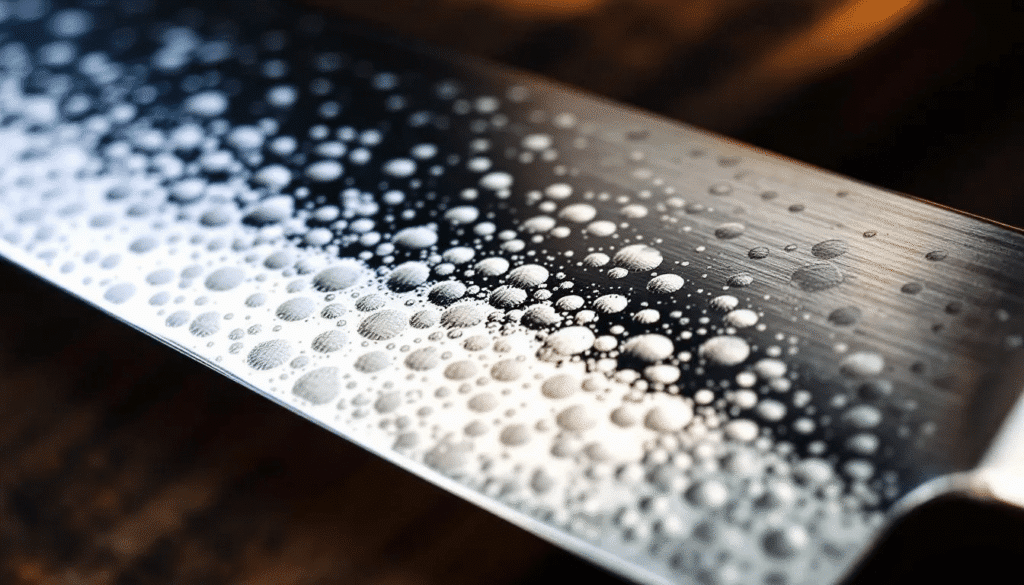
One thing you’ll notice about these knives is the hammered pattern on the blade. Japanese hammered knives are widely recognized for their craftsmanship and performance around the world. That’s not just for looks. The hammered tsuchime finish adds a striking aesthetic to the blade, making each knife a unique work of art. The dimples help reduce food sticking to the blade, which means smoother, faster slicing. Plus, these knives often combine high carbon steel with stainless steel, giving you a blade that stays sharp and resists rust.
Different Knives for Different Jobs
Explore our collection of Japanese hammered knives, each crafted with attention to detail and offering a range of options for both professional chefs and home cooks.
There’s a variety of Japanese knives to fit what you need. The gyuto knife is a great all-rounder for slicing meat, fish, and vegetables. The santoku knife is popular in many household kitchens because it handles everyday chopping with ease and is known for its multi purpose versatility. A Santoku knife of 165–180mm is optimal for household use. Choosing the right knife size for household use is important for safety and efficiency in daily cooking tasks. If you’re all about veggies, the nakiri knife offers clean, straight cuts. The Kiritsuke is another multi purpose knife, ideal for slicing and julienning a variety of ingredients. For filleting fish and butchering, the Deba knife is especially suitable, while the petty knife is perfect for smaller, detailed work.
Finding Your Perfect Blade
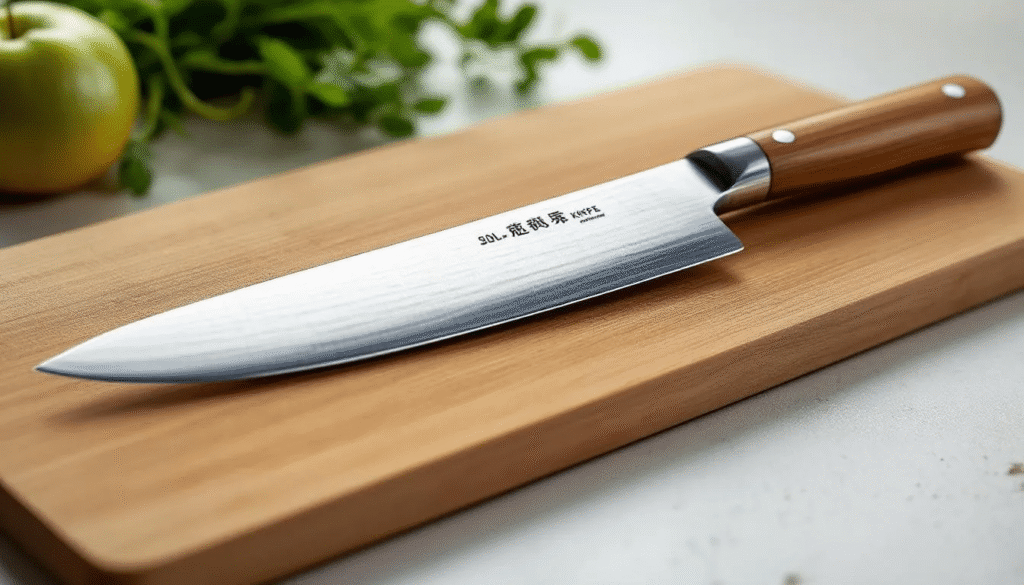
Picking the right knife depends on what you cook and how you like to hold your knife. A good Japanese hammered knife should feel balanced in your hand with a comfortable grip, and is often better suited for precision tasks than many Western-style knives due to its design and materials. Look for trusted brands, especially those from Sakai City, a place famous for skilled knife makers. Prices vary, but investing in a quality knife means it will serve you well for years.
The Cultural Significance of Japanese Knives
Japanese knives are way more than just your average kitchen tools—they’re a proper reflection of Japan’s cracking history, tradition, and dead serious dedication to craftsmanship. The art of making traditional Japanese knives, or “Hocho,” goes back centuries, with each blade carrying the legacy of generations of skilled blacksmiths who really knew their stuff. The tradition of Japanese knife-making includes historical methods dating back to Samurai sword-making techniques from over 800 years ago. In places like Sakai City, which is renowned for its master artisans, the tradition of crafting Japanese kitchen knives has been passed down through the years, blending time-honoured techniques with a deep respect for quality and precision that’s second to none.
The process of creating a Japanese knife is a proper art form, no two ways about it. Blacksmiths carefully pick out high carbon steel, stainless steel, or damascus steel, forging and shaping each blade to get razor sharp edges and brilliant edge retention. The hammering process aligns the steel’s grain structure, increasing the blade’s toughness and resistance to chipping. This cracking combination of materials and skill results in kitchen knives that aren’t just durable and resistant to rust, but also absolutely beautiful to look at and a real pleasure to use. The perfect knife is one that balances sharpness, durability, and aesthetic appeal, making every cut feel dead effortless and spot-on precise.
Japanese kitchen knives like the santoku knife, gyuto knife, and petty knife are celebrated for their ability to handle a wide range of tasks, from precise slicing of fish and meat to delicate work with vegetables that’ll make your head spin. Their design is rooted in both function and beauty, with each blade crafted to enhance the cooking experience for everyone—from the professional chef right down to the home cook who’s just having a go. The balance and feel of a traditional Japanese knife in your hand can transform everyday cooking into a more enjoyable and satisfying ritual that’s actually quite brilliant.
Caring for Japanese knives is also a proper important part of their cultural significance, and it’s dead interesting too. In Japan, it’s common practice to regularly sharpen and maintain kitchen knives, ensuring the blades stay in top condition no matter what. This attention to detail and respect for the knife reflects a broader appreciation for the artistry and skill that went into making them. It’s not just about keeping a tool sharp—it’s about honouring the tradition and craftsmanship that went into creating it, which is pretty special when you think about it.
Today, Japanese knives continue to be highly prized around the world for their quality, sharpness, and beauty that’s just out of this world. Whether you’re preparing traditional Japanese dishes or exploring modern Western-style cuisine, these knives offer a unique combination of history, skill, and performance that’s hard to beat. Owning and using a Japanese knife is more than just a practical choice—it’s a cracking way to connect with a long history of culinary artistry and to bring a touch of Japanese tradition into your own kitchen that’ll make every meal prep feel a bit special.
Caring for Your Knife
Keeping your knife sharp and clean is key. Always dry it after washing to avoid rust. Use a whetstone or a proper sharpener to maintain the edge. Regular honing helps prevent chips and keeps your knife working smoothly. Treat your knife well, and it will repay you with excellent performance.
Why I Recommend Japanese Hammered Knives
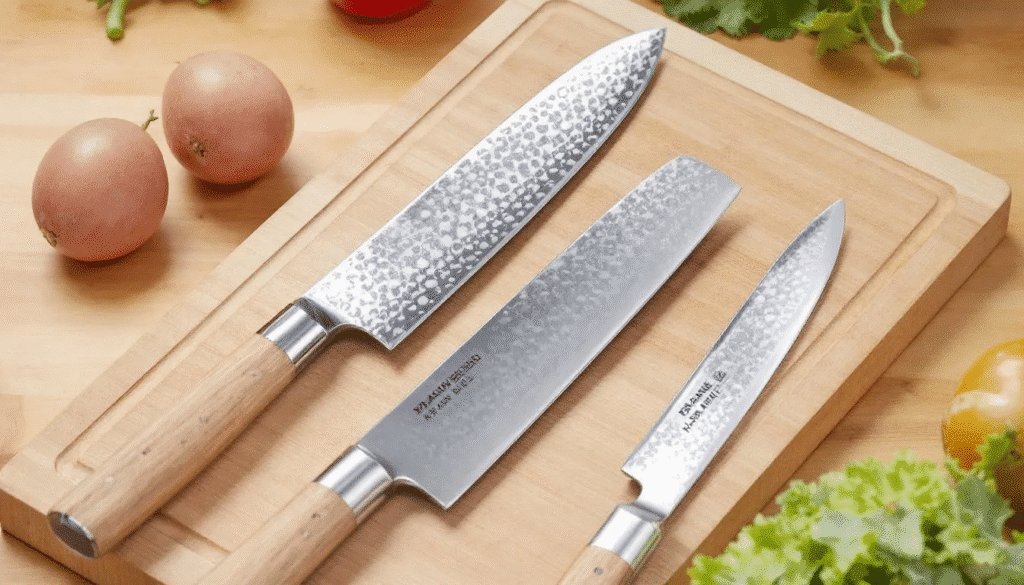
I’ve used many knives, but Japanese hammered knives stand out for their precision and durability. They make cooking feel less like a chore and more like a pleasure. Whether you’re slicing fish for sushi or chopping vegetables for dinner, these knives deliver clean cuts every time.
Wrapping It Up
If you want a knife that combines beauty, strength, and sharpness, a Japanese hammered knife is a smart choice. They bring a bit of Japanese tradition and skill right to your kitchen, helping you cook better food with less hassle. Give one a try—you might just find it becomes your favorite kitchen tool.
