If you’re curious about Japanese knives, you’re in the right place. Japanese knives are known for their crazy sharp edges and lasting quality. What really makes these knives stand out is the steel they’re made from. From carbon steel to stainless steel, the type of steel affects how sharp the knife gets, how long it stays sharp, and how much care it needs.
- Understanding Japanese Steel Types
- Carbon Steel: Sharp and Classic
- Blue Steel and Its Properties
- Stainless Steel: Easy Care and Reliable
- Powder Metallurgy Steels: High-Tech Blades
- Damascus Steel: Beauty Meets Function
- What Makes Japanese Knife Steel Special?
- Choosing the Right Knife for You
- Taking Care of Your Japanese Knife Steel
- Final Thoughts
Understanding Japanese Steel Types
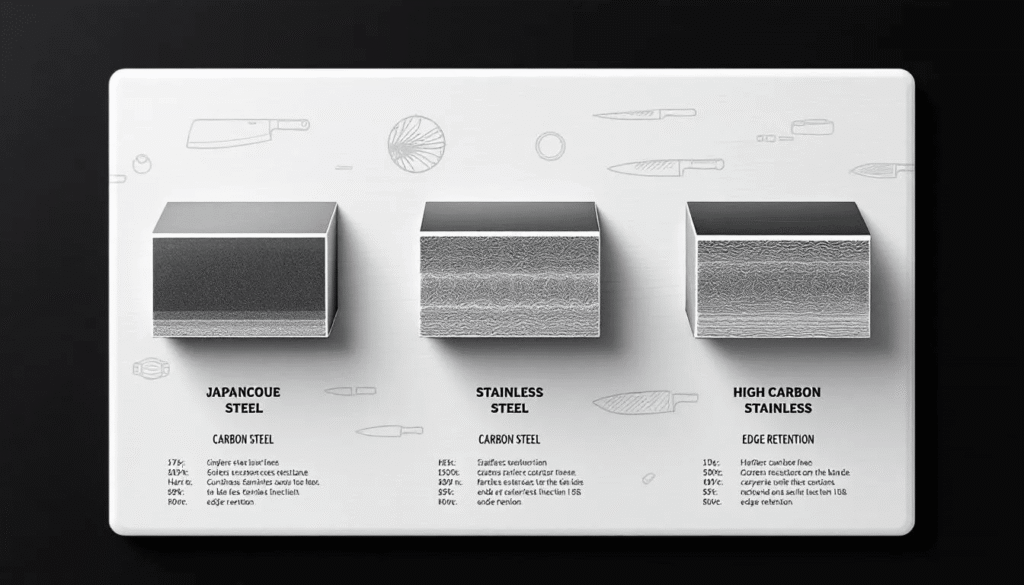
There are different steel types used in Japanese kitchen knives. Each has its own perks and quirks. The main groups are carbon steel, stainless steel, and high carbon stainless steel. Japanese chef knives are crafted from a variety of high quality steel, each offering unique properties that contribute to their performance and reputation. Carbon steel knives, like white steel and blue steel, are famous for their sharp edge and excellent edge retention but need more upkeep. These steels often include other elements to enhance their hardness, toughness, and corrosion resistance. Stainless steel knives resist rust and are easier to care for but might not get as sharp. Stainless steels also contain other elements to improve their performance. High carbon stainless steel tries to bring the best of both worlds together. The choice between different Japanese steels often comes down to personal preference and intended use.
Carbon Steel: Sharp and Classic
High carbon steel is what many Japanese chefs prefer. It has more carbon, which means the blade can get incredibly sharp and keep that edge longer. White steel, or shirogami, is a pure high carbon steel with a fine microstructure. It is easy to sharpen and delivers a clean cut, making it a favorite for those who value a keen edge. White steel, or Shirogami, is extremely pure with a high percentage of carbon and no additional ingredients. Blue steel, or aogami, adds elements like chromium and tungsten. This makes it tougher and better at resisting wear and corrosion while still staying sharp for a long time.
These high carbon steel knives need more maintenance, though. They can rust if not dried and oiled properly. But for those who enjoy sharpening and caring for their knives, high carbon steel offers a rewarding experience with amazing cutting performance.
Blue Steel and Its Properties
Blue steel, or Aogami steel as its known, is a cracking choice if you’re after one of the most sought-after high carbon steels in Japanese knife making. Its got a reputation for being dead sharp, holding its edge like nobody’s business, and being tough as nails – which is why professional chefs, Japanese craftsmen, and knife enthusiasts who know their stuff absolutely love the stuff when they want top-notch performance from their kitchen blades.
What makes blue steel stand out from other carbon steels, like white steel for instance, is its brilliant composition. By chucking in some chromium and tungsten to the high carbon base, blue steel gets you greater hardness, better wear resistance, and improved corrosion resistance. This means knives made from blue steel don’t just hold a razor-sharp edge for ages – they also stand up to the rough and tumble of everyday kitchen use with less chance of rust or wear mucking things up.
Blue steel is especially prized because it delivers a proper razor-sharp edge that stays sharp through loads of use. This makes it spot-on for precise cutting and slicing jobs where you need a keen edge thats absolutely essential. The extra bits added to blue steel also give it some unique properties, making it more forgiving when it comes to corrosion resistance compared to pure carbon steel, while still giving you that incredible sharpness and cutting performance that Japanese knives are famous for.
There are several types of blue steel you’ll come across in Japanese knife making, including Aogami #1, Aogami #2, and the highly regarded Aogami Super – also known as Blue Super Steel. Blue Super Steel is considered one of the top quality steel types you can get your hands on, offering brilliant sharpness, edge retention, and corrosion resistance. Aogami Super steel includes blue steel elements and offers exceptional hardness and abrasion resistance. This super steel is highly valued by Japanese chefs and knife enthusiasts for its ability to keep a sharp edge and deliver outstanding cutting performance, even when you’re using it loads.
The manufacturing process for blue steel knives involves proper meticulous heat treatment at high temperatures. This spot-on process is crucial for getting the most out of the steels potential, making sure the blade gets the right level of hardness and edge retention. The result is a knife that doesn’t just perform brilliantly but also stands the test of time in a busy kitchen environment where its getting a proper workout.
For anyone who’s after a high-quality Japanese knife with a sharper edge, excellent edge retention, and the durability to handle everyday use, blue steel is an outstanding choice thats hard to beat. Its unique combination of high carbon content, added chromium, and expert heat treatment makes it a top pick for those who appreciate the art and science of Japanese knife making. Whether you’re a professional chef or a passionate home cook, a blue steel knife gives you the cutting performance and reliability that define the best in Japanese kitchen knives.
Stainless Steel: Easy Care and Reliable
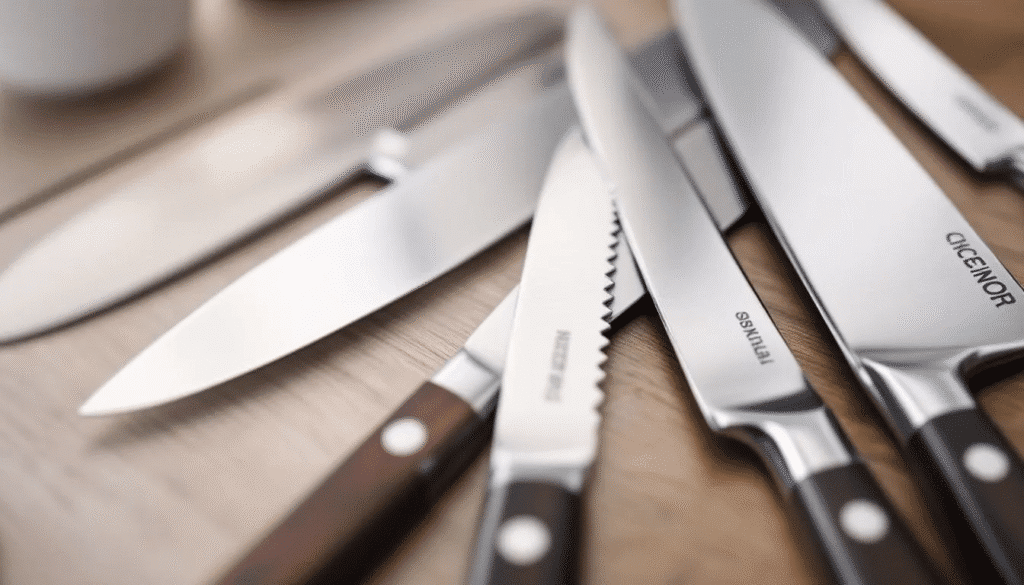
If you want a knife that handles everyday use without much fuss, stainless steel knives are a solid pick. The chromium content in stainless steel creates a protective layer that stops rust and corrosion, making the steel highly corrosion resistant. VG-10 is a popular stainless steel with high carbon content, known for its good sharpness and easy maintenance. AUS-10 and other stainless steels, such as Swedish steel, are also premium options recognized for their excellent sharpness, corrosion resistance, and durability.
Some stainless steels, such as VG-10 and AUS-10, are prized for their high hardness and extreme hardness, which contribute to their durability and edge retention. These steels can achieve excellent sharpness, making them suitable for precise kitchen tasks.
While stainless steel knives might not reach the extreme sharpness of carbon steel, they’re great for home cooks who want a reliable, low-maintenance blade.
Powder Metallurgy Steels: High-Tech Blades
Powder metallurgy steels, also known as powder steel or super steels, are made using an advanced manufacturing process. This process creates a very fine microstructure, resulting in steel with high hardness, excellent toughness, and superior edge retention. Examples include SG2 (also known as R2) and HAP40, the latter being a product of Hitachi Metals, renowned for its high hardness and outstanding edge retention. These powder steels are often used by knife enthusiasts and professionals who demand the best performance, durability, and cutting power.
Powder steels can be harder to sharpen, but the payoff is a blade that stays sharp longer, handles tough kitchen tasks with ease, and offers the benefits of high hardness and advanced metallurgy.
Damascus Steel: Beauty Meets Function
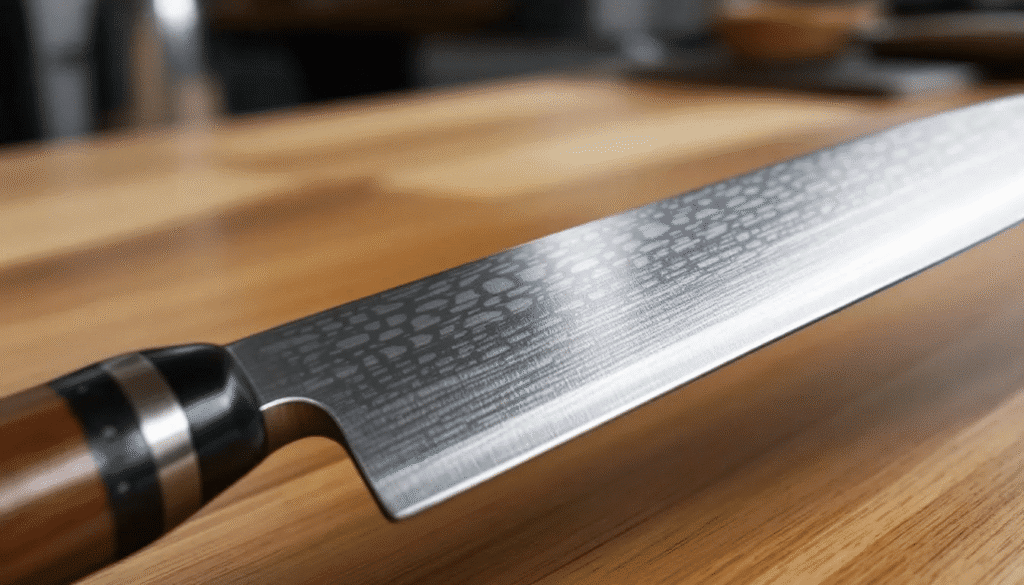
Damascus steel knives are known for their unique layered look. Damascus steel is prized for its aesthetic appeal, as the intricate patterns on the blade make each knife visually striking. They usually have a core of high carbon or stainless steel, wrapped in layers of softer steel. This not only looks great but can add some toughness and flexibility to the blade. The meticulous craftsmanship involved in creating Damascus steel knives ensures both their beauty and functionality. While the visual appeal is a big reason people choose Damascus, these knives also perform well in the kitchen. However, it’s worth noting that Damascus steel offers aesthetic appeal but doesn’t necessarily improve cutting performance over high-quality steel types.
What Makes Japanese Knife Steel Special?
Japanese steel has a long history, deeply connected to the tradition of Japanese sword making. The tamahagane steel used for katanas inspired many of the steels used in kitchen knives today. Tamahagane is the traditional high-carbon steel used to forge samurai swords, recognized for its unique properties due to its historical production method. Japanese blacksmiths pay close attention to the manufacturing process, heat treatment, and the mix of elements like carbon, chromium, molybdenum, and vanadium. These factors all affect hardness, sharpness, and corrosion resistance.
The Rockwell C scale measures hardness, and Japanese knives often score high, which means they keep their edge longer than many western knives. More carbon generally means higher hardness, but it can also make the blade more brittle if not handled well. The hardness of knife steel is often measured on the Rockwell scale, with higher ratings indicating better edge retention.
Choosing the Right Knife for You
If you’re a professional chef or a knife enthusiast who loves a sharp blade and doesn’t mind some maintenance, carbon steel knives like white steel or blue steel are great choices. For home cooks or anyone who wants less upkeep, stainless steel knives like VG-10 or AUS-10 work well.
For those who want top-tier performance and don’t mind the price, powder metallurgy steels offer long-lasting sharpness and durability. And if you want something that looks as good as it cuts, Damascus steel might catch your eye.
Taking Care of Your Japanese Knife Steel
No matter what steel type you pick, taking care of your knife will keep it sharp and rust-free. Always dry your knife after use, especially if it’s carbon steel. Regular sharpening keeps the edge razor-sharp and ready for the kitchen. Some steels need oiling to prevent rust, while stainless steel knives just need basic cleaning.
Final Thoughts
Japanese knife steel types offer a variety of options depending on what you want from your kitchen knife. Whether you want something crazy sharp, easy to maintain, or with a cool look, there’s a steel type that fits. Knowing the basics about carbon steel, stainless steel, powder metallurgy, and Damascus steel helps you pick the right blade that feels good in your hand and works well for your cooking style.
