If you’re looking at a kiritsuke knife vs chef knife, you’re probably wondering what makes these Japanese blades so special. Japanese knives have a long history rooted in Japan and are known for their sharpness and lightness. They’re made with high-quality steel that keeps a sharp edge longer than most knives out there. Plus, they come in cool shapes designed for different kitchen jobs, making each one a versatile kitchen knife, whether for slicing fish or chopping veggies.
In this article, we’ll provide a detailed comparison of kiritsuke vs chef knife, highlighting their differences to help you choose the right blade for your needs.
- Introduction to Japanese Knives
- Getting to Know the Kiritsuke Knife
- What About the Chef’s Knife?
- Blade Length: What Fits You?
- Bevel Type and What It Means
- Japanese Knife Materials
- What Makes These Knives Different?
- Angled Tip Benefits
- How They Compare in the Kitchen
- Home Cooks’ Needs
- Picking the Right Knife for You
- Taking Care of Your Knives
- Final Thoughts
Introduction to Japanese Knives
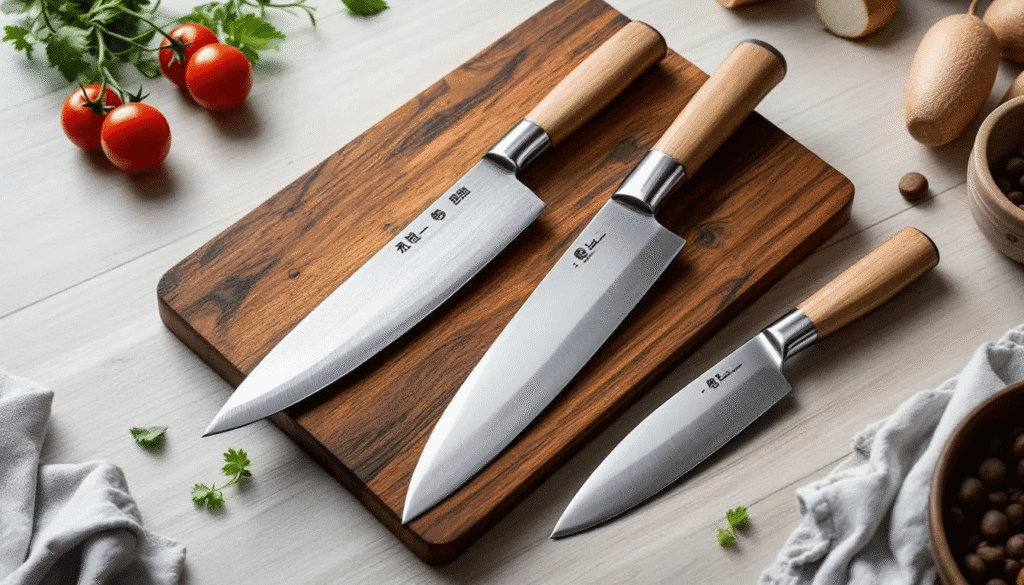
If you’re after some proper quality blades that’ll knock your socks off, then Japanese knives are a cracking choice thats got cooks all over the world absolutely buzzing. These beauties have their roots in the dead clever art of Japanese sword-making, and theyve evolved into the sort of tools that both professional chefs and home cooks go absolutely mad for when they want something thats top-notch. What makes these knives such a cut above the rest are their brilliant features – youve got that razor-sharp straight edge and the distinctive angled tip that lets you get incredibly precise cuts and do all sorts of detailed work that’ll make your mates green with envy. Whether you’re a chef whos after the perfect bit of kit for those fiddly jobs or just a home cook looking to give your kitchen skills a proper boost, getting your head around the key differences between Japanese knives like the kiritsuke knife and your bog-standard chef’s knife can help you pick the right blade thats spot-on for what you need. The sheer artistry and attention to detail that goes into making these Japanese knives doesnt just make them absolutely gorgeous to look at – its also what makes them such a joy to use for cooks of all levels, from complete beginners right up to the pros.
Getting to Know the Kiritsuke Knife
The kiritsuke is a standout knife in Japanese kitchens. It usually has a blade between 240 and 330 millimeters long and features a sharp angled tip called a K-tip. This tip is great for scoring fish or adding patterns to vegetables. The kiritsuke blends two types of knives: the yanagi, which is used for slicing raw fish, and the usuba, a vegetable knife. This mix makes it perfect for slicing fish, cutting veggies, and preparing meats with precision. The Kiritsuke knife is also used for cutting or slicing various types of vegetables, including pumpkins, tomatoes, and cucumbers. Traditionally, the kiritsuke was reserved for the head chef or executive chef in Japanese kitchens, symbolizing high level skill and mastery. It is considered a mark of status and expertise among head chefs.
Traditional kiritsuke knives have a single bevel edge, which means one side is flat and the other is angled. Some modern versions, such as the kiritsuke gyuto, have double bevels, making them easier to use and more versatile for a wider range of tasks. They’re often made from steels like White Steel #2 or Blue Steel #2, known for their durability. The tang, especially a full tang, impacts the knife’s balance and overall feel, contributing to better control and ergonomic handling. The straight edge blade helps make clean, even cuts and reduces friction while slicing. The slightly concave side of a Kiritsuke blade provides a ‘non-stick’ feature, preventing thin slices from sticking to the knife. Using a pinch grip with the kiritsuke can help achieve even greater precision and control during cutting tasks.
What About the Chef’s Knife?
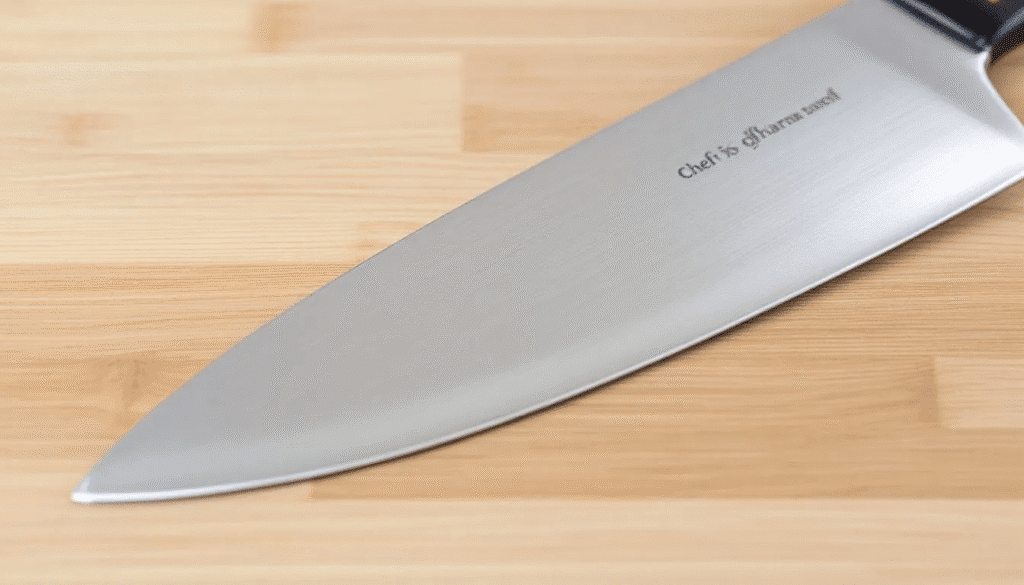
Chef knives are the all-rounders in most kitchens. The chef’s knife, often referred to as the standard chef’s knife in Western kitchens, typically features blades between 6 and 8 inches long and is made from stainless steel or high carbon steel. The curved blade lets you rock the knife back and forth, making chopping and dicing quick and easy. This design also provides excellent knuckle clearance, allowing for comfortable and safe rocking cuts during various kitchen tasks.
These knives handle a wide variety of kitchen tasks, from cutting meat and vegetables to dicing, slicing, and mincing. Mastering techniques like dice is essential for achieving uniform results. While chef’s knives can slice bread, bread knives are specifically designed with serrated edges to cut through bread smoothly without crushing its texture, making them distinct from general-purpose chef’s knives.
The chef’s knife is especially good for chopping herbs or mincing garlic with a rocking motion. When comparing chef’s knives, the Japanese gyuto and santoku are popular alternatives; the gyuto is a Japanese chef’s knife similar to the Western version but often crafted with traditional Japanese steel, while the santoku is an agile, versatile Asian-inspired knife. Both the gyuto and santoku, as well as other Japanese chef’s knives, are valued for their craftsmanship and multipurpose use in the kitchen.
Blade Length: What Fits You?
Kiritsuke knives tend to have longer blades, usually between 240 and 330 millimeters (about 9.5 to 13 inches). This length helps with precise slicing, allowing you to produce clean, thin slices, especially for raw fish and vegetables. On the other hand, chef’s knives are shorter, around 6 to 8 inches, which makes them easier to handle for quick chopping and dicing.
If you like working with delicate cuts or thin slices, the kiritsuke’s longer blade gives you more control over each precise cut. But if you want something that’s easy to maneuver for everyday kitchen tasks, the chef’s knife might be the better pick. In terms of learning curve, using a Kiritsuke knife is more challenging than using a Chef knife.
Bevel Type and What It Means
The bevel is the angle of the knife’s edge. Traditional kiritsuke knives are single beveled, meaning only one side is sharpened. This gives a sharper edge but makes sharpening trickier. Double beveled knives, like most chef’s knives and some modern kiritsukes, are sharpened on both sides, making them easier to maintain.
Both bevel types can be sharp, especially when made from high carbon or Damascus steel. Keeping your knife sharp means regular sharpening, no matter the bevel.
Japanese Knife Materials
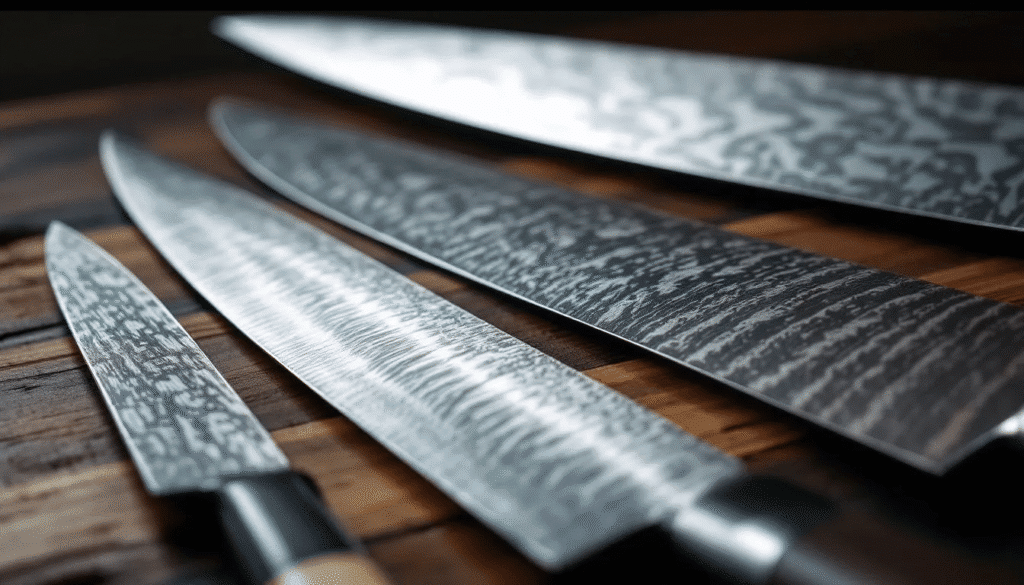
The performance and longevity of Japanese knives are dead-simple tied to the materials used in their construction, and its a cracking subject if you’re after understanding what makes these blades so brilliant. High carbon steel is a top pick for loads of Japanese knives, including the kiritsuke knife, because it delivers a razor sharp edge and exceptional hardness that’s proper amazing, allowing for precise, clean cuts that’ll knock your socks off every time. Damascus steel is another sought-after material that’s absolutely smashing, known for its striking layered patterns and its ability to maintain a sharp edge through repeated use – its like having a blade that just keeps on going no matter what you throw at it. White Steel, often used in traditional Japanese blades, is prized for its purity and ease of sharpening, making it a dead cert favorite among professional chefs who demand the highest level of sharpness and won’t settle for anything less than brilliant. These materials don’t just contribute to the sharp edge and durability of Japanese knives, but they also help resist rust when you give them a bit of proper care and attention. By getting your head around the differences in steel types—whether its high carbon, Damascus, or White Steel—both home cooks and chefs can pick out a knife that matches their cooking style and maintenance preferences, and its a cracking way to get the most out of your kitchen kit.
What Makes These Knives Different?
The biggest difference is the blade shape. Kiritsuke knives have a straight edge blade and a sharp angled tip, great for push cutting and slicing. Chef’s knives have a curved blade, designed for rocking cuts.
Traditional kiritsukes are single beveled, while chef’s knives are double beveled. Kiritsukes are longer and usually made from harder steel like high carbon or Damascus. Chef’s knives often use stainless steel or high carbon steel.
Angled Tip Benefits
One of the cracking features you’ll find on loads of Japanese knives, especially the kiritsuke knife, is the angled tip – often called the “K-tip” or “reverse tanto” if you’re being a bit fancy about it. This dead clever design gives you some proper useful benefits when you’re mucking about in the kitchen. The angled tip gives you loads more precision and control, making it a doddle to get through delicate jobs like slicing fish or creating those intricate cuts in your veg. It also helps cut down on friction as the blade moves through food, so you get smoother, cleaner cuts without having to put in loads of effort. For home cooks who’re after improving their knife skills, the angled tip can make a proper noticeable difference in the quality and consistency of your cuts. Whether you’re preparing sashimi, dicing vegetables, or working with other delicate foods, the angled tip of a Japanese knife like the kiritsuke gives your cutting technique a real boost in both precision and efficiency – its a cracking bit of kit that’ll sort you right out.
How They Compare in the Kitchen
Kiritsuke knives shine when slicing raw fish or making precise cuts on vegetables. They’re built for detail work and neat slices. Chef’s knives are better for chopping, dicing, and slicing all kinds of food quickly.
If you want a knife for delicate cuts and don’t mind a bit of a learning curve, the kiritsuke is a great choice. For a beginner-friendly, versatile knife, the chef’s knife is hard to beat.
Home Cooks’ Needs
If you’re after the right Japanese knife for your kitchen, home cooks usually have dead different priorities than the professional chefs, don’t they? Loads of home cooks are after knives that are super beginner-friendly and dead easy to keep up, like those double beveled versions of the kiritsuke knife or just a cracking good standard chef’s knife. These options are way more forgiving and versatile – perfect for all sorts of kitchen jobs, from slicing up fish and chopping veg to getting stuck into some meat. Double beveled knives are generally much easier to sharpen and get on with, which is a right godsend for anyone new to Japanese knives. By thinking about things like how easy they are to use, keeping them in good nick, and how versatile they are, home cooks can find a Japanese knife that’s not just spot on for their needs but actually makes cooking a proper joy – getting meals sorted becomes way more fun and efficient. Whether you’re looking to have a go at Japanese cooking or just want a reliable tool for your everyday cooking, there’s definitely a Japanese knife that’s perfect for your kitchen.
Picking the Right Knife for You
If you’re new to Japanese knives or want something easy to use every day, start with a good chef’s knife. It’s a reliable tool that handles most kitchen tasks well.
If you’re looking to step up your slicing game and want a knife that’s a bit more specialized, try a kiritsuke. It takes practice, but once you get it, you’ll appreciate the precision it offers.
Taking Care of Your Knives
Both knives need some care to keep them sharp and rust-free. Use a whetstone or a good sharpener, and avoid cutting on hard surfaces like glass or stone. Dry your knives after washing and store them safely. Oiling a Kiritsuke knife when not in use for an extended period helps prevent rust.
Final Thoughts
The kiritsuke knife vs chef knife debate comes down to what you cook and how you like to work in the kitchen. The kiritsuke offers precision and style, while the chef’s knife gives you versatility and ease. Either way, having the right knife makes cooking more enjoyable and efficient. Kiritsuke knives are typically more expensive than Chef knives.
Give both a try if you can, and see which one feels right in your hand. Happy cooking!
